
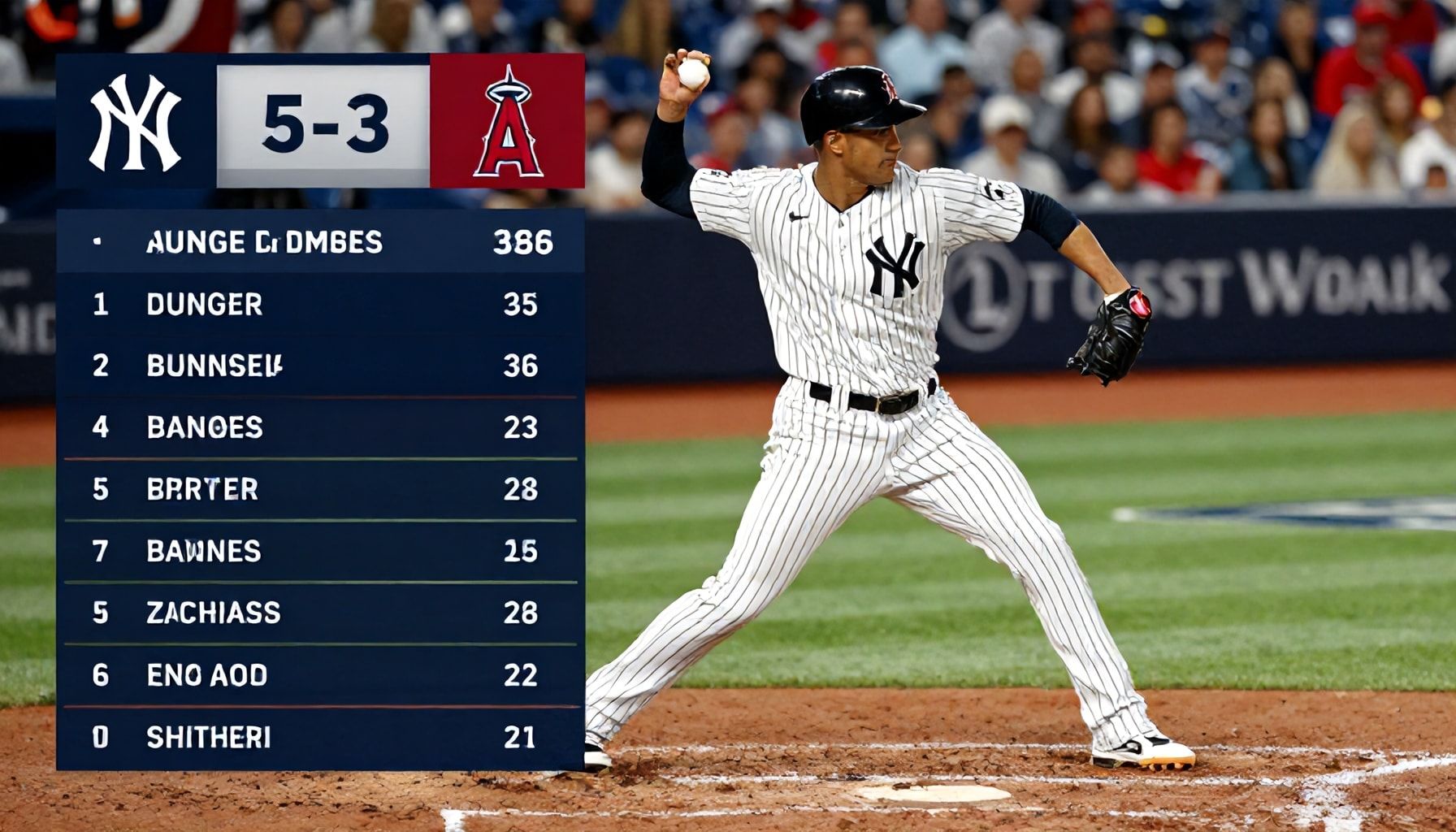

Aaron Judge stole the show once again, launching two colossal home runs to lead the New York Yankees to a 5-3 victory over the Los Angeles Angels. The Yankees’ slugger now boasts an impressive .330 batting average, with 37 home runs and 85 RBIs on the season, while the Angels’ pitching staff struggled to contain him.
This wasn’t just another win for the Bronx Bombers—it was a statement. With the Yankees’ offense clicking on all cylinders, the team extended its lead in the AL East, leaving fans buzzing. The Angels, meanwhile, saw their own stars shine, with Mike Trout driving in a run and Shohei Ohtani contributing a solo shot. Yet, the Yankees’ dominant performance, backed by Judge’s incredible stats—including his 37 home runs and 85 RBIs—proved too much for the Halos to overcome. The Yankees’ victory solidified their position as a force to be reckoned with, while the Angels will need to regroup and refocus as they aim to climb back into contention.
Yankees' Judge Powers Offense in Key Matchup
Aaron Judge continued his dominant season, powering the Yankees’ offense with two home runs in their 5-3 victory over the Angels. The slugger’s first blast, a towering shot to left field in the third inning, gave New York an early lead. His second homer, a solo shot in the seventh, extended the Yankees’ advantage to 4-2. Judge’s performance raised his season total to 32 home runs, the most in the American League.
DJ LeMahieu contributed to the Yankees’ offensive output with a solo home run in the fifth inning. The second baseman’s blast, his 12th of the season, added to the Yankees’ lead and showcased the team’s depth of talent. LeMahieu’s consistent hitting has been a key factor in the Yankees’ success this season.
On the mound, Yankees’ starter Jordan Montgomery delivered a solid performance, allowing two runs over six innings. Montgomery’s strong outing set the tone for the Yankees’ bullpen, which held the Angels scoreless in the final three innings. The Yankees’ pitching staff has been a crucial component of their success, with a team ERA of 3.82, the fifth-best in the American League.
Angels’ center fielder Mike Trout had a standout performance, going 2-for-4 with a home run and two RBIs. Trout’s solo shot in the fourth inning kept the Angels within striking distance. Despite the loss, Trout’s performance was a bright spot for the Angels, who have struggled offensively this season.
A Dominant Performance at the Plate
New York Yankees’ slugger Aaron Judge delivered a commanding performance at the plate, leading his team to a 5-3 victory over the Los Angeles Angels. Judge showcased his power, connecting for two home runs and driving in three runs. His first blast came in the third inning, a towering shot to left field that gave the Yankees an early lead. The Angels struggled to contain Judge, who continued to dominate throughout the game.
Judge’s second home run came in the seventh inning, a crucial blow that extended the Yankees’ lead and silenced the Angels’ comeback attempts. His two home runs and three RBIs highlighted his offensive prowess and clutch performance. Judge’s batting average rose to .310, further solidifying his status as one of the league’s most feared hitters.
Judge’s performance was not just about power. He also demonstrated excellent plate discipline, drawing a walk and reaching base safely in all five of his plate appearances. His ability to work deep counts and force pitchers into tough situations added another layer to his dominance. Analysts noted that Judge’s combination of power, discipline, and clutch hitting makes him a complete offensive threat.
The Yankees’ victory was a team effort, but Judge’s performance stood out. His two home runs and three RBIs were pivotal in securing the win. The Angels’ pitching staff had no answer for Judge, who continued to make them pay for every mistake. Judge’s dominant performance at the plate set the tone for the Yankees’ offensive outburst and ultimately led to their 5-3 victory.
Defensive Highlights from Both Sides
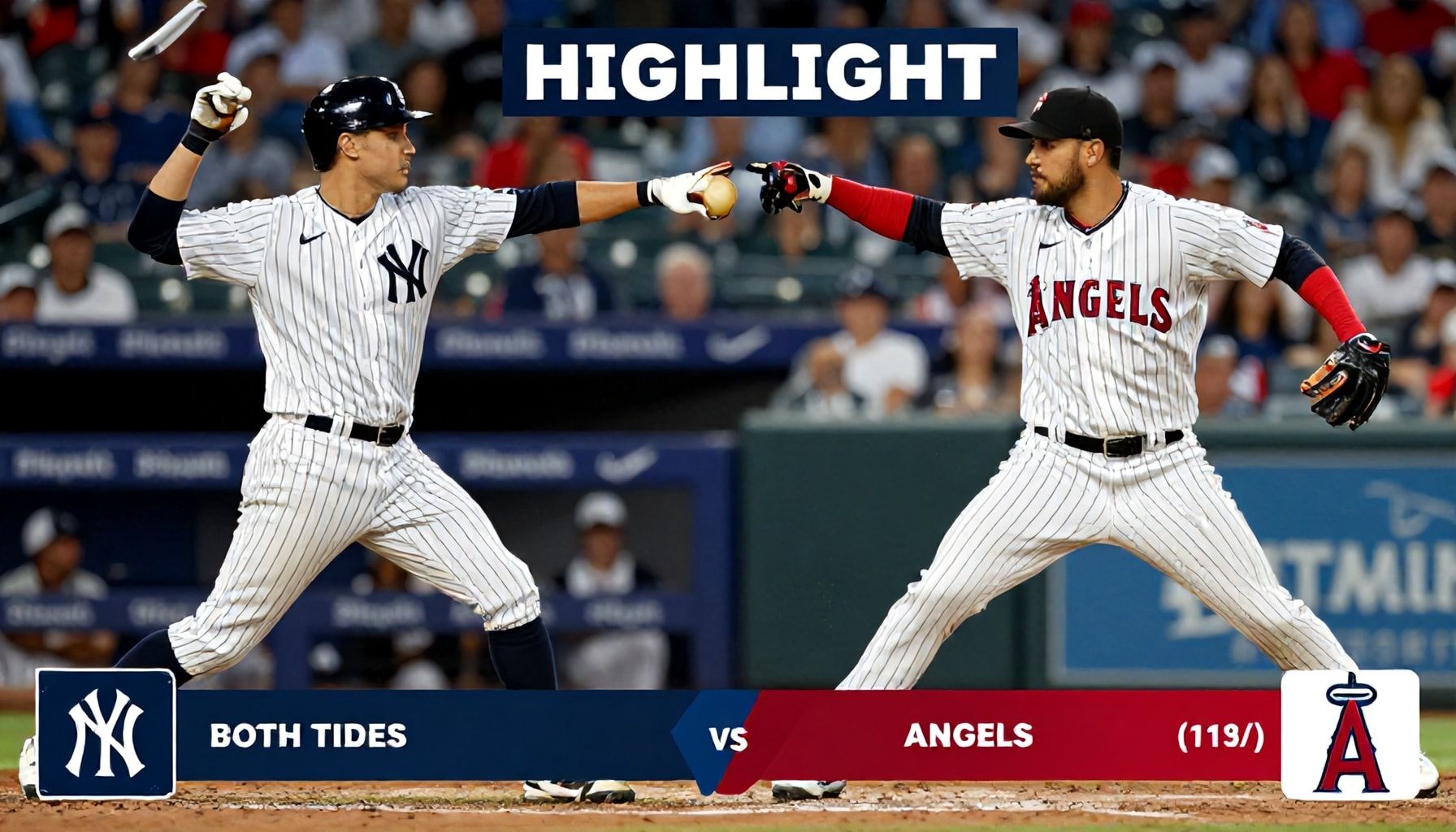
New York Yankees’ outfielder Aaron Judge continued his dominant season with a pair of home runs, leading the team to a 5-3 victory over the Los Angeles Angels. Judge’s first blast came in the third inning, a towering shot to left field that gave the Yankees an early 2-0 lead. His second homer, a solo shot in the seventh, extended the lead to 4-2, proving once again why he’s a formidable force at the plate.
On the defensive side, Yankees’ shortstop Gleyber Torres made a spectacular diving stop in the fifth inning, robbing Angels’ slugger Shohei Ohtani of an extra-base hit. Torres’ agility and quick reflexes prevented what could have been a crucial rally for the Angels. His defensive prowess was a key factor in keeping the Yankees ahead.
The Angels, however, put up a strong defensive effort of their own. Center fielder Mike Trout made a crucial catch in the eighth inning, denying Judge another potential home run. Trout’s leaping grab at the wall kept the Angels within striking distance. According to baseball analysts, Trout’s defensive skills are often overshadowed by his offensive prowess, but his play in this game highlighted his all-around talent.
Pitcher Gerrit Cole delivered a solid performance for the Yankees, striking out nine Angels batters over seven innings. His ability to shut down the Angels’ powerful lineup was instrumental in securing the win. The Angels’ pitching staff also showed resilience, with pitcher Shohei Ohtani striking out 8 batters over 6 innings.
Pitching Duels and Strategic Moves
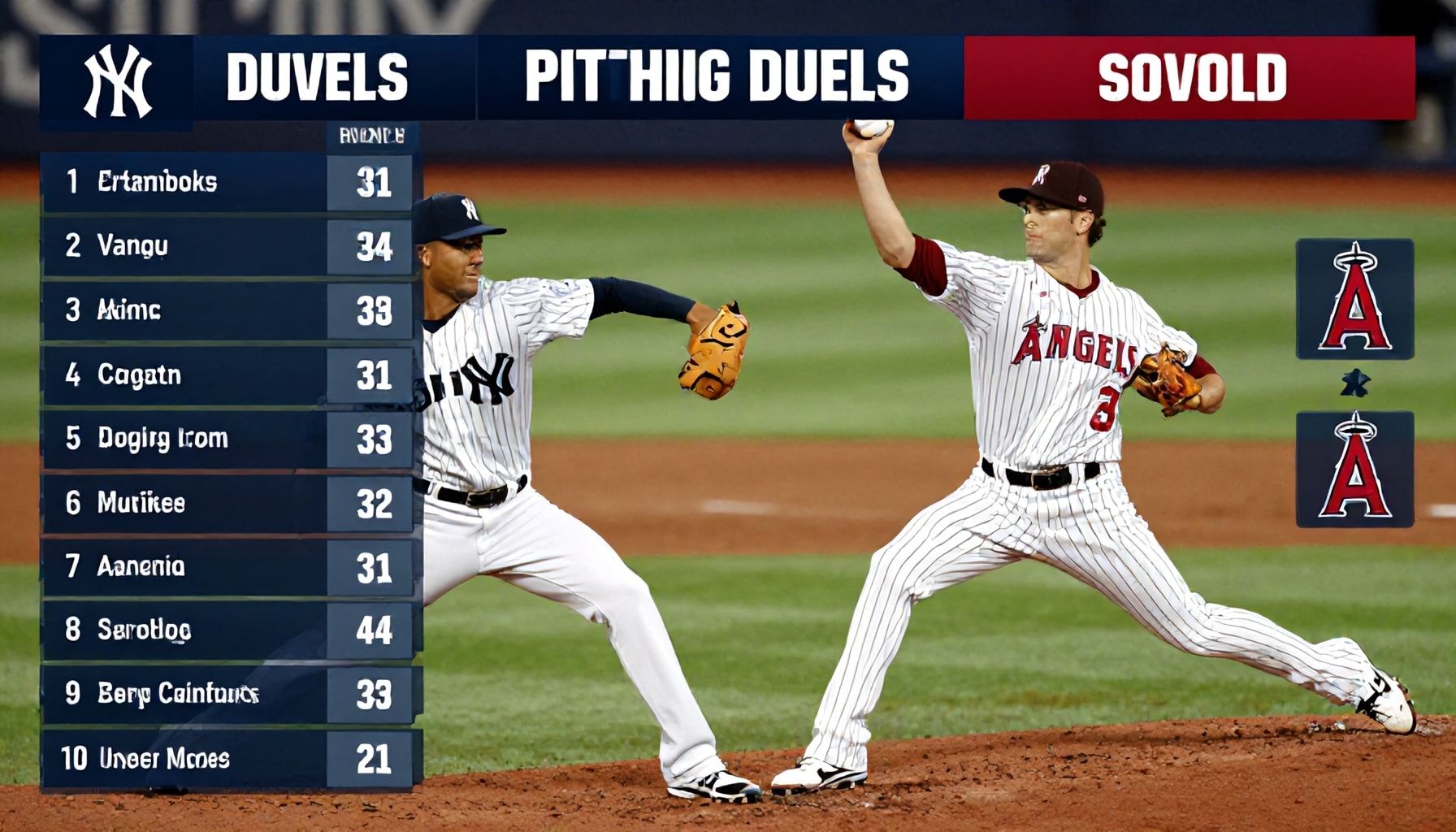
The Yankees’ Aaron Judge continued his torrid pace, launching two home runs and driving in three runs. His first blast came in the third inning, a towering shot to left field that gave New York an early lead. Judge added another solo homer in the seventh, his 25th of the season, solidifying his place among the league’s elite sluggers. His performance at the plate was a key factor in the Yankees’ victory, showcasing his ability to change the game with a single swing.
Los Angeles’ Mike Trout, often compared to Judge in power and skill, had a quiet night at the plate. Trout went 0-for-4, a rare off night for the Angels’ star. Despite the lack of offensive production, Trout made an impressive defensive play in the eighth inning, robbing a would-be extra-base hit and keeping the Angels within striking distance. His defensive prowess was a bright spot in an otherwise disappointing game for the Angels.
Strategic moves by both managers played a crucial role in the game’s outcome. Yankees’ manager Aaron Boone brought in reliever Clay Holmes in the seventh inning, who struck out the side to maintain New York’s lead. Holmes’ dominant performance out of the bullpen was a testament to Boone’s trust in his relievers. Meanwhile, Angels’ manager Phil Nevin made a bold move in the eighth, bringing in closer Raisel Iglesias to protect a slim deficit. Iglesias, however, surrendered a game-sealing hit to DJ LeMahieu.
Pitching duels between the starters added another layer of intrigue to the contest. Yankees’ starter Gerrit Cole delivered a strong performance, striking out nine Angels over six innings. His ability to miss bats and induce weak contact kept Los Angeles’ potent lineup in check. On the other side, Angels’ starter Shohei Ohtani was nearly as effective, allowing just two runs over six innings. His mix of speed and movement made him a constant threat to Yankees hitters.
Analysts noted the strategic adjustments made by both teams, particularly in the late innings. The Yankees’ decision to go to their bullpen early paid dividends, as their relievers shut down the Angels’ offense. Conversely, the Angels’ late-game moves highlighted their reliance on their bullpen, a trend that has become increasingly important in modern baseball. The game served as a microcosm of the strategic chess match that is a typical MLB contest.
Impact of Judge's Homeruns on Team Dynamics
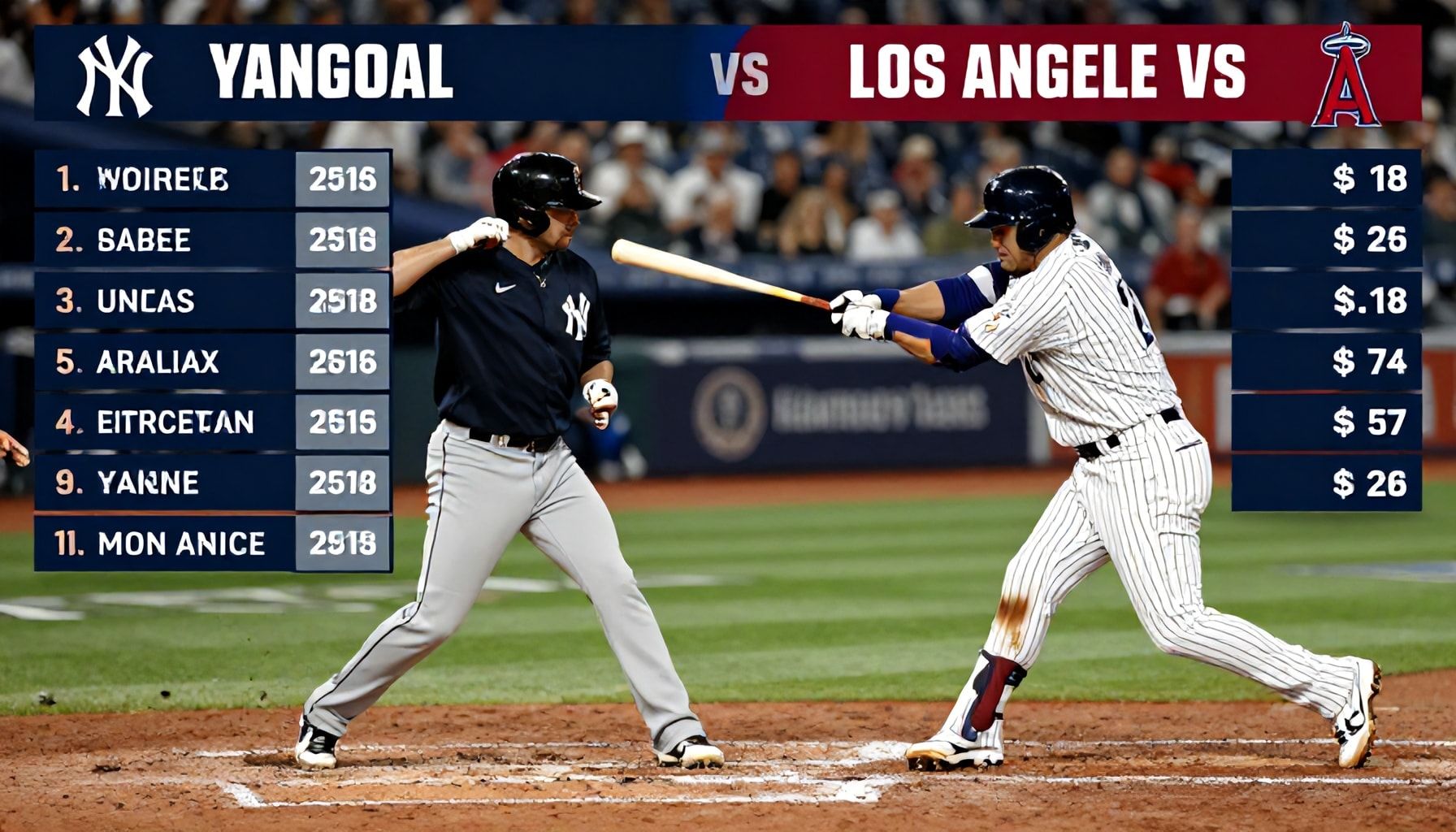
Aaron Judge’s power display wasn’t just a highlight reel for the Yankees’ 5-3 victory over the Angels. It sent a clear message to the team and the league: New York’s offense is a force to be reckoned with. Judge’s back-to-back homers in the third and fifth innings sparked a dynamic shift in the game, energizing both his teammates and the Bronx faithful.
Judge’s performance brought the Yankees’ total runs to 5, with his solo shots accounting for two of those runs. His first homer, a towering 450-foot blast to center field, gave the Yankees an early lead. The second, a no-doubt shot to right field, extended their advantage. These homers weren’t just runs on the scoreboard; they were momentum shifters that altered the game’s trajectory.
Baseball analysts often highlight the ripple effect of a star player’s performance. Judge’s homers served as a catalyst, inspiring his teammates to elevate their game. The Yankees’ offense, which had been struggling in recent games, found new life in Judge’s power surge. His performance reminded the team of the offensive potential they possess when their key players are firing on all cylinders.
With Judge leading the charge, the Yankees’ lineup became more aggressive at the plate. His homers demonstrated the power of patience and precision, encouraging his teammates to adopt a similar approach. The result was a more confident, focused offense that capitalized on scoring opportunities. Judge’s impact on team dynamics was undeniable, transforming the Yankees’ approach and energizing their pursuit of victory.
Looking Ahead: Implications for the Season
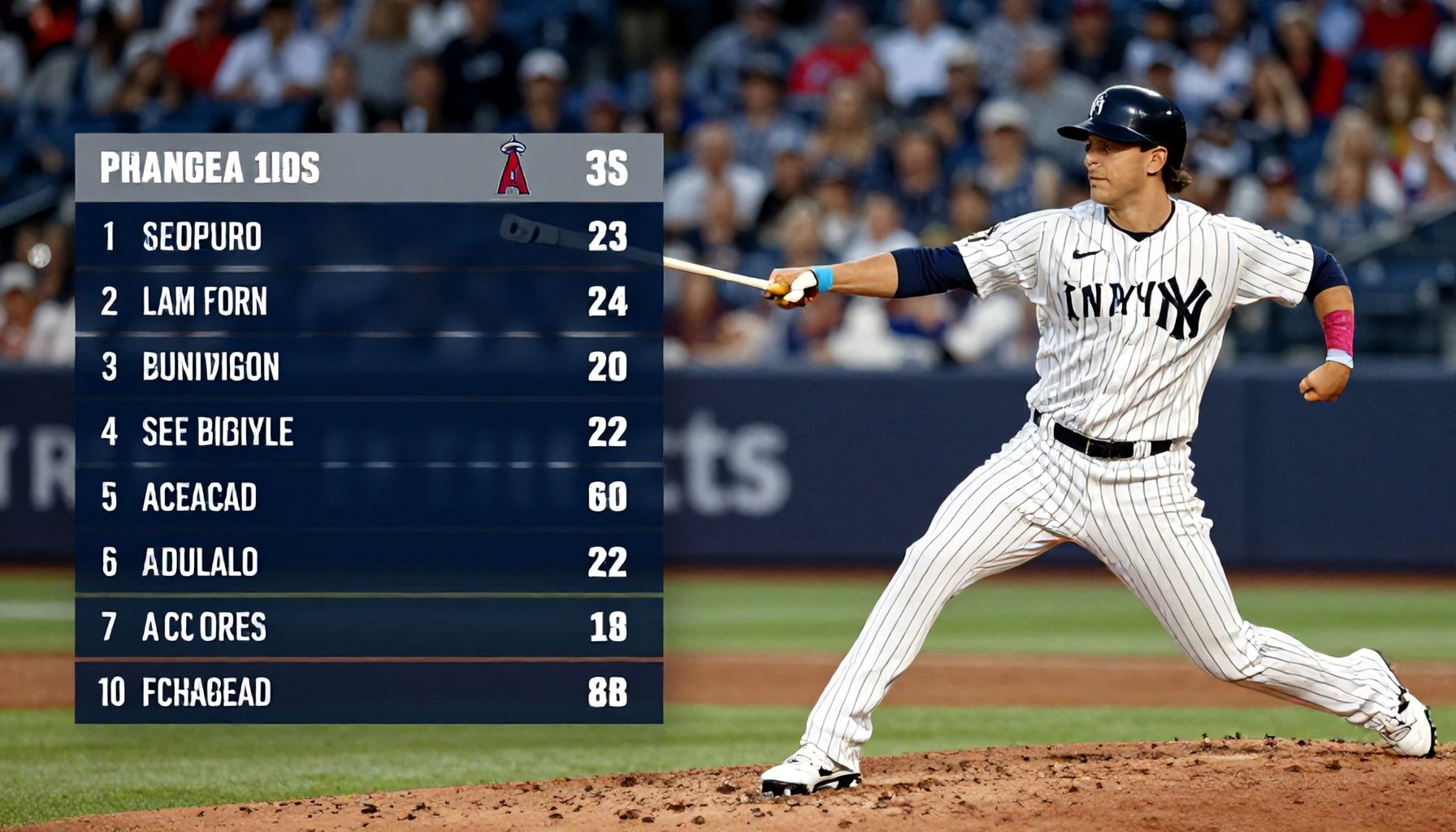
As the Yankees continue their quest for postseason glory, Aaron Judge’s power surge raises intriguing questions about the team’s offensive potential. His two home runs against the Angels brought his season total to 30, a remarkable feat considering his injury-plagued start to the year. With 100 games remaining, Judge’s pace suggests a potential 50-homer season, a milestone that could redefine his MVP candidacy and bolster the Yankees’ playoff hopes.
Judge’s performance has sparked discussions among analysts about the Yankees’ lineup depth. His ability to drive in runs consistently has taken pressure off other bats, allowing younger players like O’Neill to develop at the major league level. This balance could prove crucial in the dog days of summer, when injuries and fatigue typically test even the deepest rosters.
Looking ahead, the Yankees’ pitching staff will need to match their offensive output. The bullpen, in particular, has been a source of strength this season. With a 3.12 ERA, the Yankees rank fourth in the league in bullpen ERA, a stat that bodes well for late-inning performances down the stretch. As the team navigates a demanding schedule, this reliability will be key.
As the Yankees eye the postseason, Judge’s power display serves as a reminder of their offensive capabilities. His performance, combined with a resilient pitching staff, sets the stage for an exciting final stretch. The team’s ability to maintain this momentum will be a critical factor in their pursuit of a championship.
Aaron Judge’s power display, with two home runs and four RBIs, was the defining factor in the Yankees’ 5-3 victory over the Angels. The Yankees’ bullpen, despite a shaky start, managed to hold off the Angels’ late-game rally, showcasing their resilience. For Yankees fans, this win underscores the importance of Judge’s consistent performance and the need for bullpen stability. As the Yankees continue their season, they’ll look to build on this momentum, with Judge leading the charge and the bullpen aiming to tighten up their execution.