

The Evolution of Entertainment
The entertainment industry has always been at the forefront of technological innovation. From the invention of the phonograph to the advent of streaming services, technology has continually reshaped how we consume and interact with media. Today, we stand on the brink of a new era, where the boundaries between reality and entertainment are blurring, thanks to advancements in virtual reality (VR), augmented reality (AR), and artificial intelligence (AI).
The Rise of Immersive Experiences
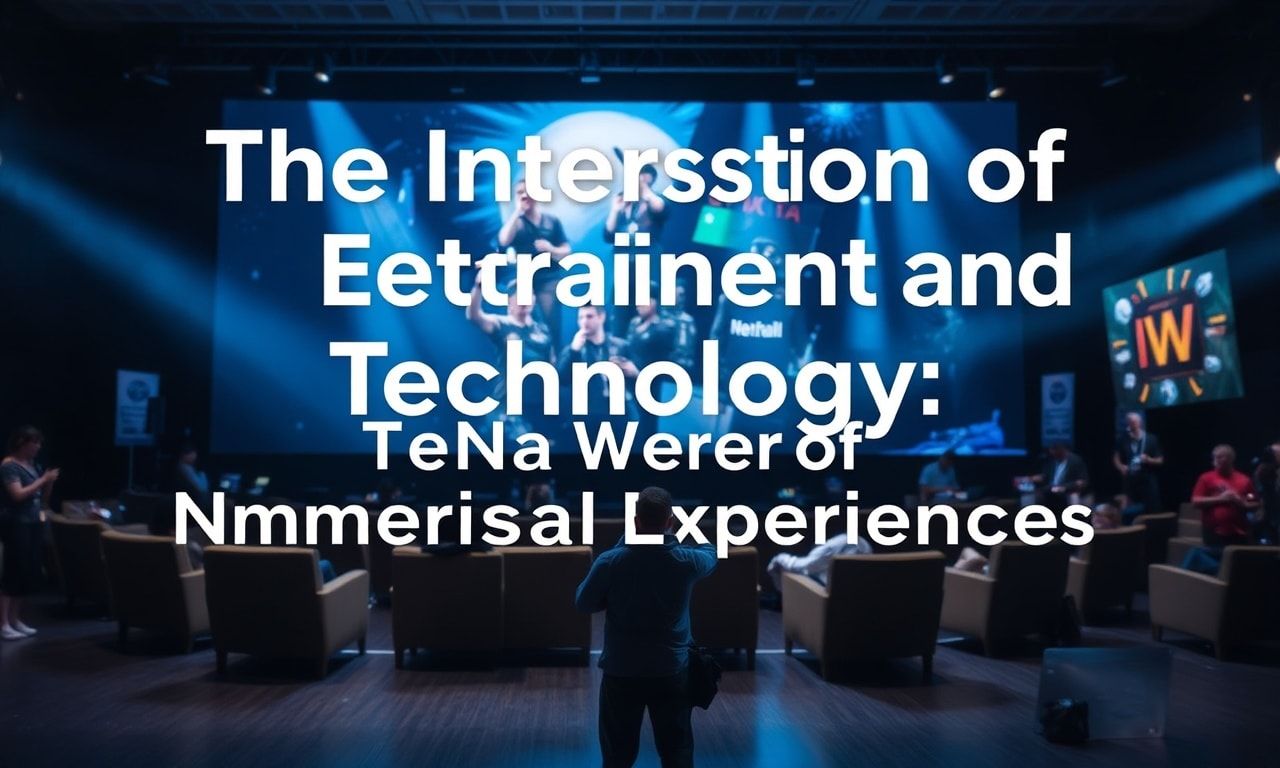
One of the most significant developments in recent years is the rise of immersive entertainment experiences. VR and AR technologies are transforming the way we engage with movies, music, and games. For instance, VR headsets allow viewers to step inside a movie, making them active participants rather than passive observers. Similarly, AR enhances live concerts by overlaying digital elements onto the real world, creating a unique and interactive experience for attendees.
The Impact on the Film Industry
The film industry is embracing these technologies to create more engaging and interactive content. Studios are experimenting with VR films that allow viewers to explore different angles and perspectives within a scene. This shift is not only changing the way films are made but also how they are marketed and distributed. Additionally, the integration of AI in film production is streamlining processes such as scriptwriting, editing, and even casting, making the industry more efficient and innovative.
The Music Scene Transformed
In the music industry, technology is revolutionizing the way artists create and perform. AI-driven tools are being used to compose music, while AR and VR are enhancing live performances. Fans can now attend virtual concerts from the comfort of their homes, thanks to VR platforms that offer immersive, 360-degree views of live events. Moreover, musicians are leveraging social media and streaming services to reach a global audience, breaking down geographical barriers and fostering a more connected music community.
The Gaming Revolution
Gaming is another sector that has been profoundly impacted by technological advancements. The rise of cloud gaming, for example, allows players to stream high-quality games without the need for expensive hardware. This democratization of gaming has made it more accessible to a broader audience. Furthermore, the integration of VR and AR in gaming has created new levels of immersion, enabling players to step into their favorite virtual worlds and interact with them in ways that were previously unimaginable.
The Role of AI in Entertainment
AI is playing a pivotal role in the entertainment industry, from personalized content recommendations to automated production processes. Streaming platforms use AI algorithms to analyze viewer preferences and suggest tailored content, enhancing the user experience. In the gaming world, AI-driven characters and environments are making games more dynamic and responsive. Additionally, AI is being used to create realistic special effects in films and to optimize the distribution of content across various platforms. The potential applications of AI in entertainment are vast and continue to evolve, promising even more innovative experiences in the future.
The Future of Entertainment
As we look ahead, the future of entertainment is bright and full of possibilities. The integration of technology is not only enhancing existing forms of entertainment but also paving the way for entirely new experiences. For instance, the concept of the metaverse—a virtual universe where users can interact, socialize, and entertain themselves—is gaining traction. This virtual world could become a hub for immersive entertainment, blending elements of gaming, social media, and virtual reality into a seamless experience.
Moreover, the adoption of sustainable technologies in the entertainment industry is becoming increasingly important. For example, solar power is being used to reduce the carbon footprint of large-scale events and productions. By investing in renewable energy sources, the industry can contribute to a more sustainable future while continuing to innovate and entertain. For those looking to make similar sustainable choices in their personal lives, exploring options like mortgage comparison best rates 2026 can be a great starting point.
Conclusion
The intersection of entertainment and technology is creating a new era of immersive and interactive experiences. From VR and AR to AI and the metaverse, the possibilities are endless. As the industry continues to evolve, we can expect even more groundbreaking developments that will redefine how we engage with media. The future of entertainment is not just about consuming content; it’s about becoming an active participant in a dynamic and ever-changing landscape.