
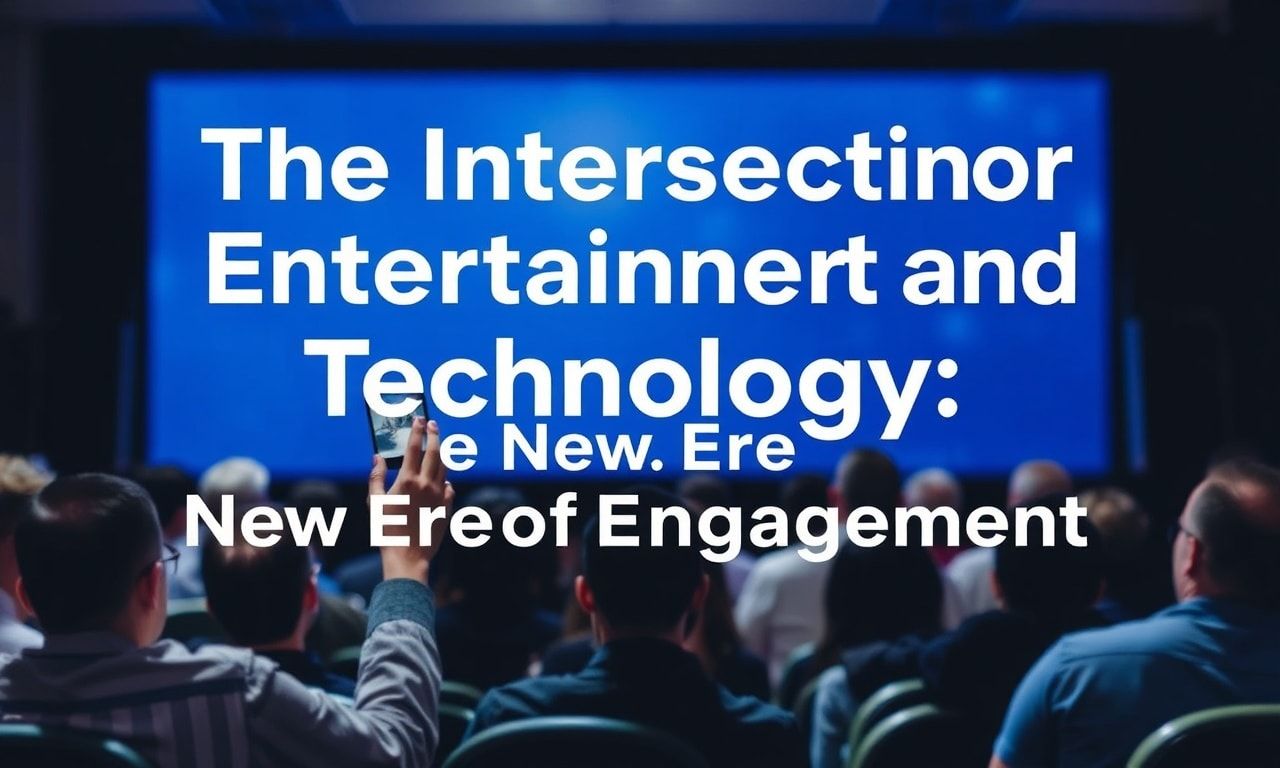

The Evolution of Entertainment in the Digital Age
The entertainment industry has always been at the forefront of technological innovation. From the invention of the phonograph to the advent of streaming services, technology has continually reshaped how we consume and interact with entertainment. Today, the digital age has brought about a new era of engagement, where fans can immerse themselves in their favorite movies, music, TV shows, and games like never before.
One of the most significant changes in recent years has been the integration of interactive elements into entertainment. Whether it’s through social media, virtual reality, or augmented reality, fans are no longer passive consumers but active participants. This shift has not only enhanced the entertainment experience but has also created new opportunities for artists and creators to connect with their audiences on a deeper level.
The Role of Weather in Enhancing Entertainment Experiences
Believe it or not, weather can play a crucial role in enhancing entertainment experiences. For instance, outdoor movie nights, concerts, and festivals are heavily dependent on favorable weather conditions. To ensure that these events run smoothly, event organizers often rely on accurate weather forecasts and tools like weather widgets for website free to keep attendees informed and prepared.
Moreover, weather can also influence the setting and mood of movies, TV shows, and video games. A rainy day can add a sense of melancholy to a scene, while a sunny day can evoke feelings of joy and optimism. By incorporating weather elements into their storytelling, creators can add depth and realism to their work, making it more relatable and engaging for audiences.
The Impact of Social Media on Entertainment
Social media has revolutionized the way we consume and share entertainment. Platforms like Instagram, Twitter, and TikTok have given fans a direct line of communication with their favorite celebrities, allowing them to share their thoughts, opinions, and experiences in real-time. This has not only democratized the entertainment industry but has also given rise to a new breed of influencers and content creators who have built their careers entirely on social media.
Furthermore, social media has become a powerful tool for promoting and marketing entertainment content. Studios, record labels, and game developers use social media to build hype around their upcoming releases, share behind-the-scenes content, and engage with their audiences. By leveraging the power of social media, they can reach a wider audience and create a sense of anticipation and excitement around their projects.
The Rise of Virtual and Augmented Reality
Virtual reality (VR) and augmented reality (AR) are two of the most exciting technological advancements in the entertainment industry today. VR allows users to immerse themselves in a completely digital environment, while AR overlays digital elements onto the real world. Both technologies have the potential to revolutionize the way we experience entertainment, from gaming and movies to live events and concerts.
For example, VR gaming has become increasingly popular in recent years, with games like Beat Saber and Half-Life: Alyx offering immersive and interactive experiences that were previously impossible. Similarly, AR has been used to enhance live events, such as concerts and sports games, by providing fans with real-time statistics, replays, and interactive content.
As VR and AR technologies continue to evolve, we can expect to see even more innovative and immersive entertainment experiences in the future. From virtual concerts and movie theaters to interactive theme parks and museums, the possibilities are endless.
The Future of Entertainment: What Lies Ahead
The entertainment industry is constantly evolving, and the future looks brighter than ever. With advancements in technology, artificial intelligence, and data analytics, we can expect to see even more personalized and immersive entertainment experiences in the years to come.
For instance, AI-powered algorithms are already being used to recommend movies, music, and TV shows based on our preferences and viewing habits. In the future, these algorithms could become even more sophisticated, allowing for highly personalized and tailored entertainment experiences that cater to our individual tastes and interests.
Additionally, the rise of streaming services has made it easier than ever to access a wide range of entertainment content from anywhere in the world. As these services continue to grow and expand, we can expect to see even more diverse and inclusive content that reflects the rich tapestry of human experience.
In conclusion, the intersection of entertainment and technology has given rise to a new era of engagement, where fans can immerse themselves in their favorite movies, music, TV shows, and games like never before. As technology continues to evolve, we can expect to see even more innovative and exciting entertainment experiences in the future.
Ever wondered why rain often signifies romance or storms signal impending doom in films? Dive into the fascinating world of cinema and discover how weather shapes movies in ways you never imagined.