
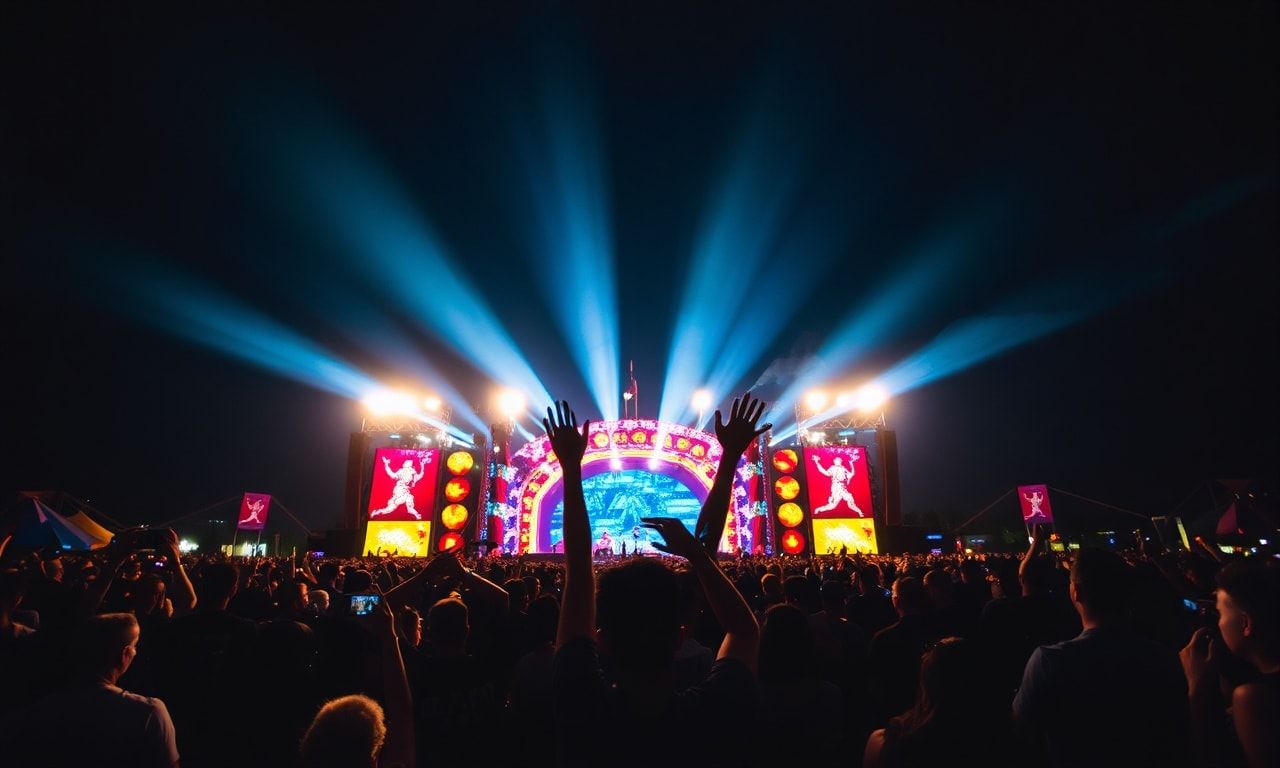

The Birth of Music Festivals
Music festivals have been a staple of entertainment for decades, evolving from simple gatherings to massive, multi-day events. The concept of music festivals can be traced back to ancient times, but the modern era began with the iconic Woodstock festival in 1969. This event, held in upstate New York, brought together over 400,000 people for a weekend of peace, love, and music. It set the stage for what was to come, inspiring a new wave of festivals that would captivate audiences worldwide.
The Rise of the Super Festivals
As the decades progressed, music festivals grew in size and scope. The 1990s and 2000s saw the rise of ‘super festivals’ like Coachella, Glastonbury, and Lollapalooza. These events featured a diverse lineup of artists, attracting hundreds of thousands of attendees each year. The festivals became not just about the music but also about the overall experience, offering a mix of art installations, food vendors, and interactive activities. This transformation turned festivals into cultural phenomena, drawing in people from all walks of life.
The Impact of Technology
Technology has played a significant role in the evolution of music festivals. The advent of social media has allowed festivals to reach a global audience, with live streams and behind-the-scenes content making it possible for people to experience the festivities from anywhere in the world. Additionally, advancements in sound and lighting technology have enhanced the overall production value of these events, creating immersive experiences for attendees. For those looking to stay updated on the latest trends and discussions in the music festival scene, temas tendencia discusiones populares offers a wealth of information and insights.
The Global Expansion
Music festivals are no longer confined to the United States and Europe. In recent years, there has been a significant expansion of festivals in Asia, Africa, and South America. Events like Tomorrowland in Belgium, Rock in Rio in Brazil, and Ultra Music Festival in various global locations have become international sensations. These festivals not only showcase local talent but also bring together artists and fans from around the world, fostering a sense of global unity and cultural exchange.
The Future of Music Festivals
The future of music festivals looks bright, with organizers continuously pushing the boundaries of what is possible. Virtual reality and augmented reality technologies are being integrated into festival experiences, allowing attendees to interact with artists and content in new and exciting ways. Additionally, there is a growing focus on sustainability, with many festivals implementing eco-friendly practices to reduce their environmental impact. As the industry continues to evolve, one thing is certain: music festivals will remain a vital part of the entertainment landscape, bringing people together through the power of music.
The Cultural Impact
Music festivals have had a profound cultural impact, shaping trends in fashion, art, and even social movements. They provide a platform for artists to express themselves and for attendees to connect with like-minded individuals. Festivals have been the birthplace of many cultural phenomena, from the hippie movement of the 1960s to the rave culture of the 1990s. They serve as a reflection of the times, capturing the spirit of each generation and leaving a lasting legacy. As we look to the future, it is clear that music festivals will continue to play a crucial role in shaping our cultural landscape.
Dive into the world of global entertainment with our latest feature, entertainment trends worldwide, covering everything from blockbuster films to viral music hits and gaming sensations.
Ever wondered how your favorite celebrities and creators are zipping around town? Discover the surprising trend of electric bikes in Hollywood and beyond.
Curious about how digital transformation is reshaping entertainment? Check out Mexico’s examples and Turkey’s steps in this fascinating article.