

The Birth of a Cultural Phenomenon
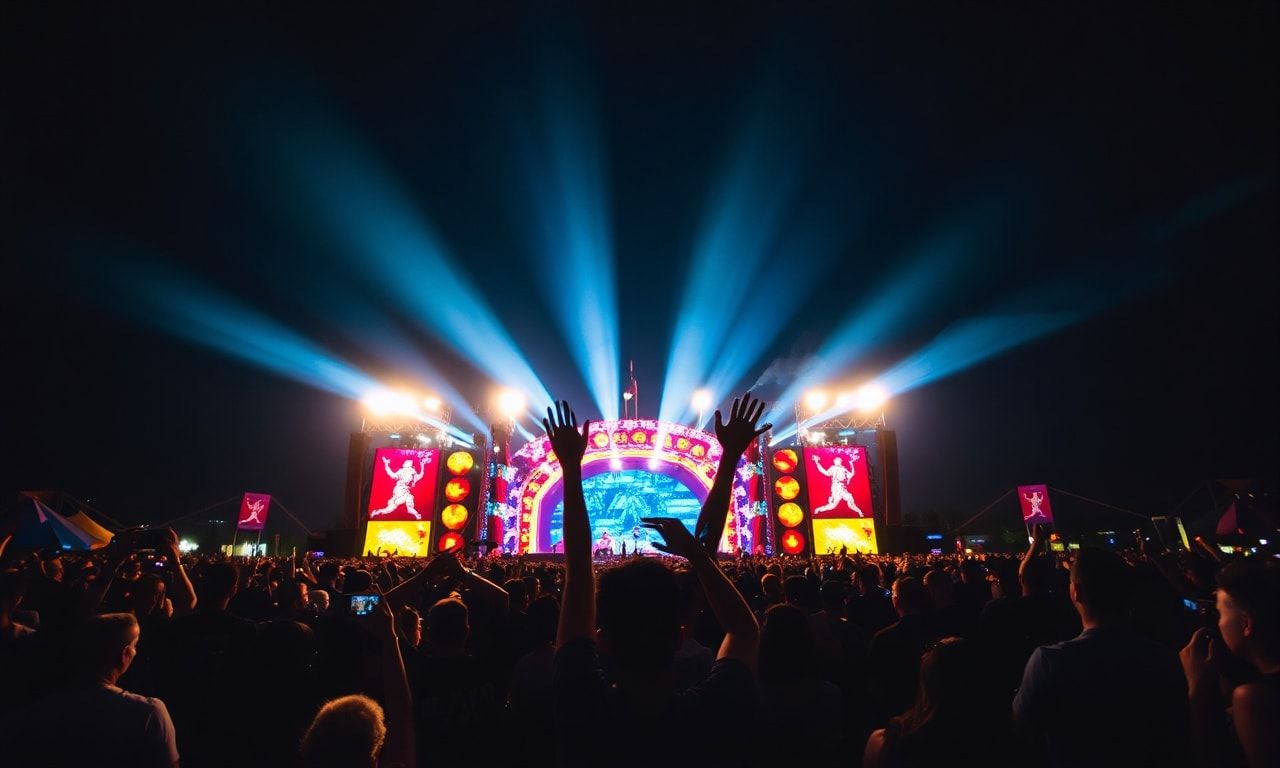
Music festivals have become a cornerstone of global entertainment, drawing millions of attendees each year. The journey of music festivals from humble beginnings to massive, multi-day events is a testament to the power of music and community. The first modern music festival, the Newport Jazz Festival, began in 1954, but it was Woodstock in 1969 that truly revolutionized the concept. Woodstock, with its iconic performances by artists like Jimi Hendrix and Janis Joplin, set the stage for what music festivals could achieve—both culturally and commercially.
The Rise of Iconic Festivals
Following Woodstock, the 1970s and 1980s saw the rise of other iconic festivals. Glastonbury, which started in 1970, became a staple of the British music scene, while the US saw the emergence of events like Coachella and Lollapalooza. These festivals not only showcased groundbreaking music but also became platforms for social and political expression. The 1990s and early 2000s brought a new wave of festivals, including Tomorrowland in Belgium and Rock in Rio, which expanded the global reach of these events.
The Impact of Technology and Social Media
In the digital age, technology and social media have transformed music festivals. Platforms like Instagram, Twitter, and TikTok allow attendees to share their experiences in real-time, amplifying the reach and influence of these events. Virtual reality and live streaming have also enabled people who cannot attend to experience the festival atmosphere from the comfort of their homes. This digital revolution has made music festivals more accessible and inclusive, breaking down geographical barriers.
Moreover, the rise of music streaming services has changed how festivals curate their lineups. Festivals now have access to vast amounts of data on listener preferences, allowing them to tailor their lineups to appeal to a broader audience. This data-driven approach has led to more diverse and eclectic lineups, catering to a wide range of musical tastes and preferences.
The Role of Espoon kodin korjausuutiset in Festival Culture
Interestingly, the influence of music festivals extends beyond the realm of entertainment. For instance, festivals often require significant infrastructure and logistical planning, similar to large-scale construction projects. This is where resources like Espoon kodin korjausuutiset come into play. These platforms provide valuable insights and tips on managing large-scale events, ensuring that festivals run smoothly and efficiently. From setting up stages to managing waste and ensuring safety, the lessons learned from home improvement and construction can be applied to the festival environment.
The Future of Music Festivals
The future of music festivals looks bright, with innovations in technology and sustainability leading the way. Virtual reality concerts, augmented reality experiences, and eco-friendly initiatives are becoming increasingly common. Festivals are also focusing on creating more inclusive and diverse environments, with a greater emphasis on representation and accessibility. As the world continues to evolve, music festivals will likely adapt and grow, remaining a vital part of the global entertainment landscape.
Sustainability and Innovation
Sustainability is a growing concern for music festivals. Many events are now implementing eco-friendly practices, such as reducing waste, using renewable energy sources, and promoting sustainable transportation options. Festivals like Shambhala in Canada and Glastonbury have set benchmarks for sustainable event management, inspiring others to follow suit. Innovations in technology, such as solar-powered stages and biodegradable materials, are also contributing to a greener festival experience.
Inclusivity and Diversity
Inclusivity and diversity are becoming central themes in the music festival scene. Festivals are increasingly focusing on representing a wide range of artists, genres, and cultures. This includes not only the lineup but also the overall festival experience, from food and merchandise to the design of festival grounds. By embracing diversity, festivals can create more vibrant and engaging environments that appeal to a broader audience.
Conclusion
From the revolutionary days of Woodstock to the technologically advanced festivals of today, music festivals have evolved into a global phenomenon. They are not just about music; they are about community, culture, and shared experiences. As festivals continue to innovate and adapt, they will remain a vital part of the entertainment industry, bringing people together from all walks of life.