
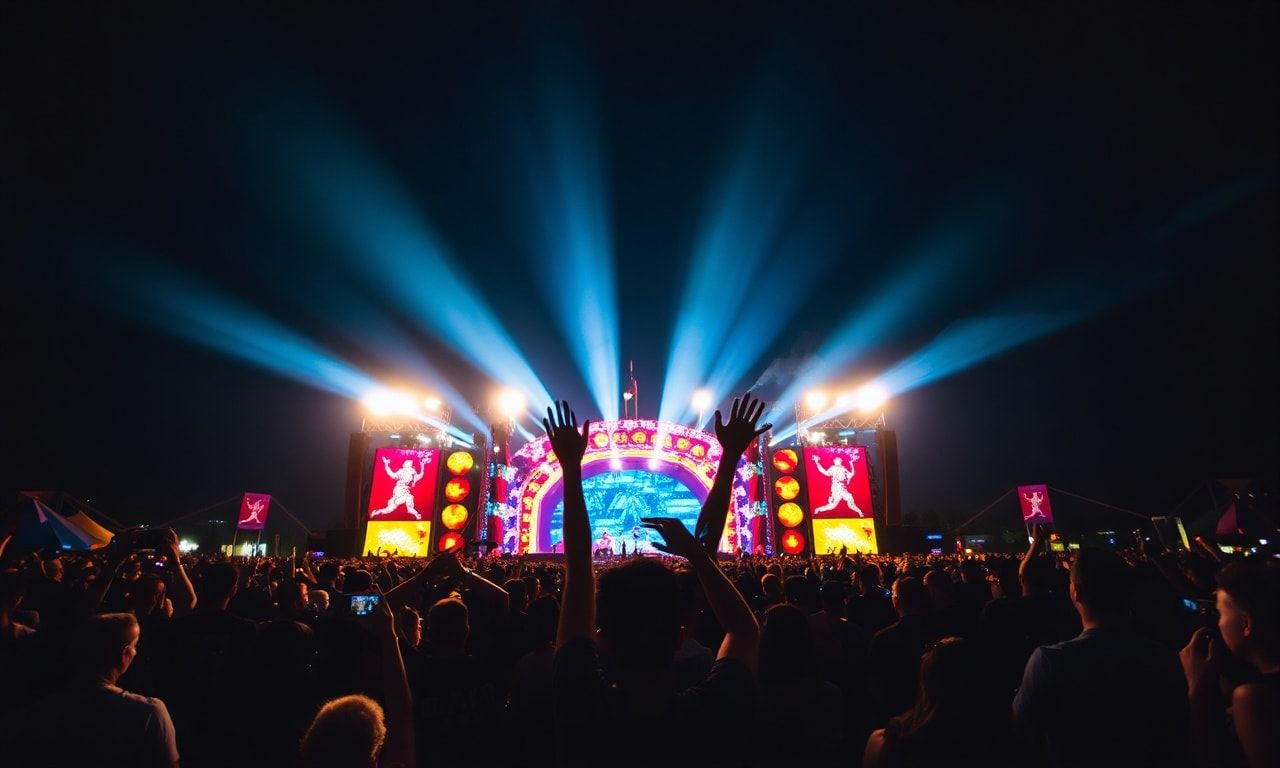

The Birth of a Phenomenon
The first modern music festival is often cited as the 1950 Jazz Festival held at the Paris Museum of Modern Art. However, it was the 1969 Woodstock Music & Art Fair that truly catapulted the concept of music festivals into the mainstream. Held in a rural setting in upstate New York, Woodstock became a symbol of the counterculture generation, drawing over 400,000 people and featuring iconic performances from artists like Jimi Hendrix, Janis Joplin, and The Who. This event set the stage for the music festival culture that continues to thrive today.
In the decades that followed, music festivals became a global phenomenon, with events like Glastonbury in the UK, Coachella in the US, and Rock in Rio in Brazil attracting hundreds of thousands of attendees each year. These festivals have not only provided a platform for artists to showcase their talent but have also become cultural touchpoints, reflecting the social and political climate of their times.
The Rise of Electronic Music Festivals
As electronic music gained popularity in the 1990s and early 2000s, a new wave of music festivals emerged, catering specifically to fans of electronic dance music (EDM). Events like Tomorrowland in Belgium, Ultra Music Festival in Miami, and Electric Daisy Carnival in Las Vegas have become synonymous with high-energy performances, elaborate stage designs, and immersive experiences. These festivals have also played a significant role in shaping the global music scene, with artists like David Guetta, Tiesto, and Calvin Harris achieving international fame through their performances at these events.
One of the unique aspects of electronic music festivals is their ability to create a sense of community among attendees. With their focus on unity, love, and acceptance, these festivals have become a haven for people from all walks of life, fostering a sense of belonging and connection. This sense of community is evident in the vibrant and colorful outfits worn by attendees, as well as in the collective energy that fills the air during performances.
The Impact of Technology
The rise of social media and streaming platforms has had a profound impact on the music festival industry. With the ability to share photos, videos, and live streams instantly, festivals have become more accessible to a global audience than ever before. This has not only increased the visibility of these events but has also allowed artists to reach a wider fan base.
Moreover, advancements in technology have led to the creation of immersive and interactive experiences at music festivals. From virtual reality (VR) installations to augmented reality (AR) experiences, festivals are now offering attendees a multitude of ways to engage with the music and the artists. For instance, at the 2019 Coachella Valley Music and Arts Festival, attendees were treated to a VR experience that allowed them to step into the shoes of their favorite artists and perform on stage with them.
The Future of Music Festivals
As the music festival industry continues to evolve, it is clear that the future holds exciting possibilities. With the increasing focus on sustainability and eco-friendliness, festivals are now adopting measures to reduce their environmental impact. From implementing recycling programs to using renewable energy sources, festivals are taking steps to ensure that they can continue to provide unforgettable experiences for attendees without harming the planet.
Additionally, the COVID-19 pandemic has had a significant impact on the music festival industry, with many events being canceled or postponed. However, this has also led to the emergence of virtual festivals, which have allowed artists to connect with their fans and provide entertainment during a challenging time. As the world slowly recovers from the pandemic, it is likely that virtual festivals will continue to play a role in the music festival landscape, offering attendees a new way to experience live music.
Looking ahead, it is clear that music festivals will continue to be a vital part of the global entertainment scene. With their ability to bring people together, foster a sense of community, and provide unforgettable experiences, festivals are more than just events—they are cultural phenomena that will continue to shape the way we experience music and connect with one another.
For those interested in staying updated on the latest events and happenings in the world of music festivals, Aktuelle Ereignisse in Düsseldorf-Derendorf 2026 offers a wealth of information on upcoming festivals and concerts in the region.
The Global Appeal of Music Festivals
Music festivals have a universal appeal that transcends cultural and linguistic barriers. Whether it’s the vibrant colors and rhythms of Rio de Janeiro’s Carnival or the traditional folk music of Scotland’s Celtic Connections, festivals around the world offer a unique glimpse into the local culture and traditions. This global appeal has made music festivals a popular destination for travelers seeking to immerse themselves in new experiences and connect with people from different backgrounds.
Moreover, music festivals have become a significant driver of tourism and economic growth for many cities and regions. According to a report by the International Music Festival Network, music festivals generate billions of dollars in revenue each year, supporting local businesses and creating jobs. This economic impact is particularly evident in cities like Austin, Texas, which hosts the annual South by Southwest (SXSW) festival, and Amsterdam, which is home to the famous Amsterdam Dance Event (ADE).
The Role of Music Festivals in Social and Political Movements
Throughout history, music festivals have served as a platform for social and political expression. From the anti-war messages of the 1960s to the environmental activism of the 2000s, festivals have provided a space for artists and attendees to voice their concerns and advocate for change. For example, the 1985 Live Aid concert, which was held simultaneously in London and Philadelphia, raised awareness and funds for the ongoing famine in Ethiopia, demonstrating the power of music to bring about social change.
In recent years, music festivals have continued to play a role in social and political movements, with many events incorporating themes of inclusivity, diversity, and sustainability. For instance, the 2019 Glastonbury Festival featured a dedicated area for discussions on climate change and environmental activism, while the 2020 Coachella Valley Music and Arts Festival highlighted the work of various social justice organizations. By providing a platform for these important conversations, music festivals are helping to shape the future of our society and promote positive change.
Ever wondered where some of your favorite movies or games might have found inspiration? Check out Düsseldorf’s unique charm and see if you can spot the influences in this vibrant city.
If you’re looking to stay ahead of the curve and dress like your favorite celebrities, don’t miss our guide to this year’s must-have fashion trends.
If you’re a fan of futuristic movies and games, you’ll love our deep dive into the future of mobility and how electric vehicles are shaping it.