
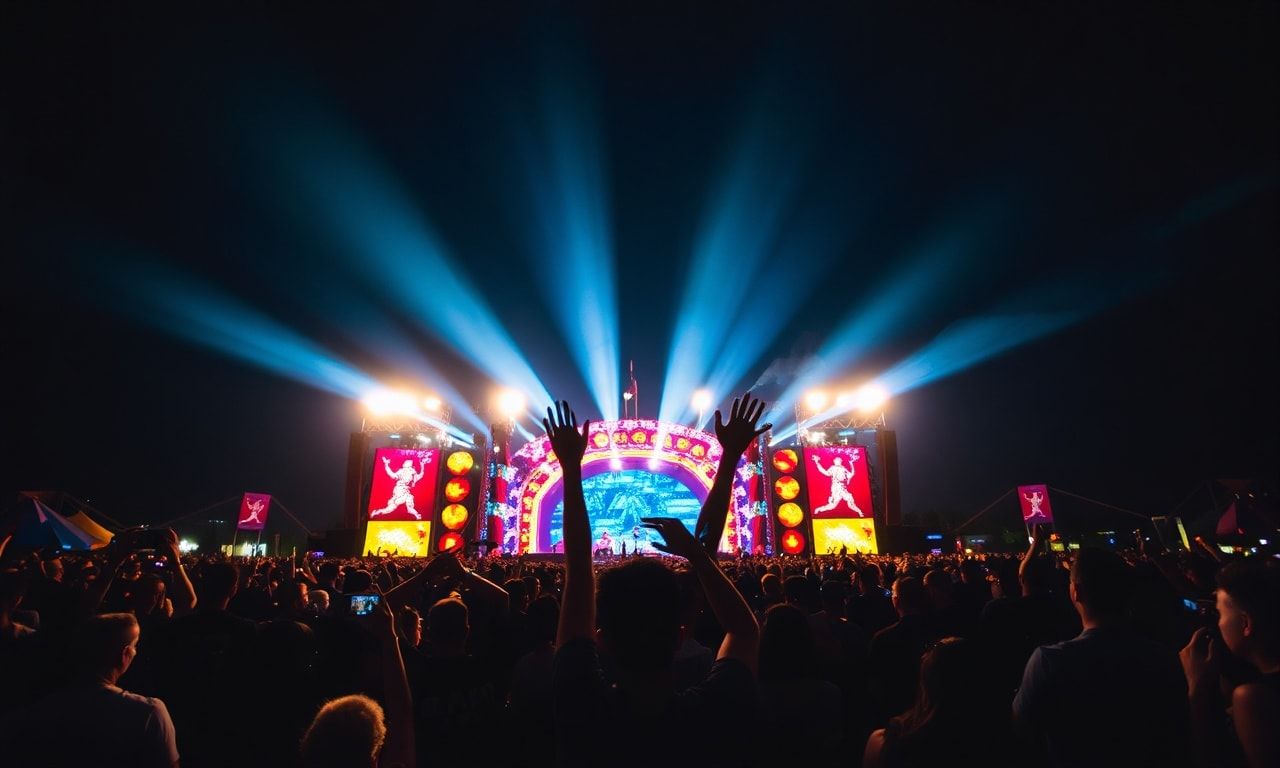

The Birth of a Cultural Phenomenon
The music festival as we know it today has evolved significantly since its inception. The first modern music festival is often credited to the Woodstock Music & Art Fair held in 1969, which drew nearly half a million people to a dairy farm in upstate New York. This event was a cultural watershed, symbolizing the counterculture generation and marking the beginning of a new era in music and entertainment. Woodstock set the stage for future festivals, showcasing the power of music to unite people from diverse backgrounds.
In the decades that followed, music festivals became a global phenomenon, with events like Glastonbury in the UK and Coachella in the US gaining international acclaim. These festivals not only provided a platform for established and emerging artists but also became cultural landmarks, influencing fashion, art, and social movements. The evolution of music festivals reflects broader societal changes, from the hippie movement of the 1960s to the digital age of today.
The Rise of the Super Festival
As the 21st century progressed, music festivals grew in scale and ambition, giving rise to what are now known as super festivals. These events attract hundreds of thousands of attendees and feature performances by some of the world’s biggest stars. Festivals like Tomorrowland in Belgium, Ultra Music Festival in Miami, and Rock in Rio in Brazil have become global destinations, drawing fans from every corner of the globe.
The success of these super festivals can be attributed to several factors. Advances in technology have made it easier to produce large-scale events, while social media has amplified their reach and impact. Additionally, the rise of electronic dance music (EDM) has fueled the growth of festivals, as this genre lends itself well to the festival environment with its high-energy beats and immersive production values.
The Impact of Technology
Technology has played a pivotal role in the evolution of music festivals. From the use of drones and holograms to enhance performances to the implementation of mobile apps that provide attendees with real-time information, technology has transformed the festival experience. Virtual reality (VR) and augmented reality (AR) are also being explored as ways to enhance the festival experience, allowing attendees to immerse themselves in the event in new and innovative ways.
Moreover, the rise of streaming services and social media platforms has changed how festivals are promoted and experienced. Festivals now have a global audience, with millions of people tuning in to watch live streams and share their experiences on platforms like Instagram, Twitter, and TikTok. This digital connectivity has not only increased the visibility of festivals but also created new opportunities for artists and promoters to engage with their audiences.
The Cultural Significance of Music Festivals
Music festivals have become more than just entertainment events; they are cultural phenomena that reflect the values and aspirations of their time. Festivals like Burning Man in Nevada, which combines music, art, and self-expression, exemplify this cultural significance. These events provide a space for people to explore their creativity, connect with like-minded individuals, and challenge societal norms.
The cultural impact of music festivals is also evident in their ability to foster social change. Many festivals support charitable causes and promote environmental sustainability, reflecting a growing awareness of global issues. For example, Glastonbury has a long history of supporting environmental initiatives, while Lollapalooza has partnered with organizations like Berlin Forschung aktuell to promote research and awareness of social and environmental issues.
The Future of Music Festivals
As we look to the future, the music festival landscape is poised for further evolution. The COVID-19 pandemic has had a profound impact on the industry, forcing organizers to adapt and innovate. Virtual festivals, hybrid events, and enhanced health and safety measures are likely to become more common in the post-pandemic world.
Additionally, the rise of new technologies like blockchain and non-fungible tokens (NFTs) could revolutionize the way festivals are experienced and monetized. Imagine attending a festival where you can purchase exclusive digital memorabilia or interact with artists in virtual environments. These innovations have the potential to create new revenue streams and enhance the overall festival experience.
Conclusion
The evolution of music festivals from humble beginnings to global phenomena is a testament to the power of music to bring people together. From Woodstock to Tomorrowland, these events have not only shaped the entertainment industry but also reflected and influenced broader cultural trends. As technology continues to advance and societal values evolve, music festivals will undoubtedly continue to adapt and innovate, offering new and exciting experiences for attendees worldwide.