
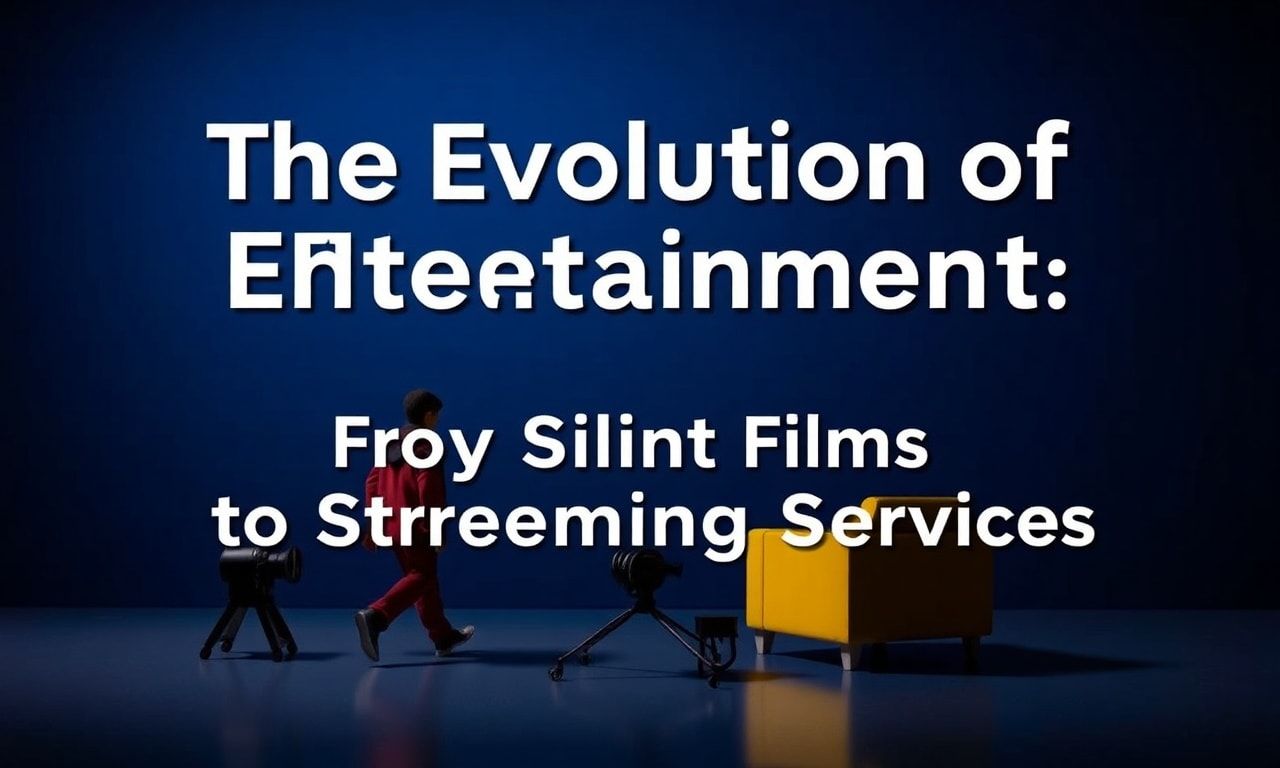

The Golden Age of Hollywood
The early 20th century marked the beginning of what is now known as the Golden Age of Hollywood. This era, spanning from the 1920s to the 1960s, saw the production of some of the most iconic films in history. The transition from silent films to talkies revolutionized the industry, and the introduction of Technicolor brought a new dimension to storytelling. Studios like MGM, Warner Bros., and Paramount became household names, producing classics like “Gone with the Wind,” “Casablanca,” and “The Wizard of Oz.” These films not only entertained audiences but also shaped cultural narratives and societal values.
The Rise of Television
As the 20th century progressed, television began to compete with cinema as the primary source of entertainment. The 1950s and 1960s saw the rise of television shows that became cultural phenomena. Shows like “I Love Lucy,” “The Twilight Zone,” and “The Ed Sullivan Show” captivated audiences and introduced new forms of comedy, drama, and variety entertainment. The convenience of watching shows from the comfort of one’s home made television a staple in American households. This era also saw the birth of news broadcasting, which has since become an integral part of daily life.
The Digital Revolution
The late 20th and early 21st centuries brought about a digital revolution that transformed the entertainment industry. The internet made it possible for people to access a vast array of content from anywhere in the world. Streaming services like Netflix, Hulu, and Amazon Prime Video have revolutionized the way we consume movies and TV shows. These platforms offer a wide range of content, from classic films to original series, catering to diverse tastes and preferences. The rise of social media has also played a significant role in shaping the entertainment landscape, allowing fans to connect with their favorite celebrities and share their opinions on the latest releases.
The Impact of Social Media
Social media platforms like Twitter, Instagram, and TikTok have become powerful tools for promoting and discussing entertainment content. Celebrities and influencers use these platforms to engage with their fans, share behind-the-scenes content, and build their personal brands. Fans, in turn, use social media to express their opinions, share fan theories, and create fan art. This interactive relationship between creators and audiences has democratized the entertainment industry, giving fans a voice and allowing them to influence the direction of their favorite shows and movies. For instance, the çekici portal platform has become a hub for fans to discuss and share their favorite content, fostering a sense of community among enthusiasts.
The Gaming Industry
The gaming industry has experienced exponential growth over the past few decades, becoming a major player in the entertainment sector. Video games have evolved from simple pixelated graphics to immersive, high-definition experiences that rival Hollywood blockbusters. The rise of esports has turned gaming into a spectator sport, with professional gamers competing in tournaments that draw millions of viewers. Games like “Fortnite,” “League of Legends,” and “Call of Duty” have become cultural phenomena, attracting a diverse range of players and fans. The gaming industry’s influence extends beyond entertainment, impacting technology, education, and even healthcare.
The Future of Entertainment
As technology continues to advance, the future of entertainment looks brighter than ever. Virtual reality (VR) and augmented reality (AR) are poised to revolutionize the way we experience movies, TV shows, and games. These technologies promise to create immersive, interactive experiences that blur the line between reality and fiction. Artificial intelligence (AI) is also expected to play a significant role in the entertainment industry, from personalized content recommendations to AI-generated music and films. The possibilities are endless, and the entertainment landscape is sure to evolve in exciting and unpredictable ways.
Conclusion
The entertainment industry has come a long way since the days of silent films and black-and-white television. The digital revolution, the rise of social media, and the growth of the gaming industry have all contributed to a dynamic and ever-changing landscape. As technology continues to advance, the future of entertainment holds endless possibilities. Whether it’s through streaming services, social media, or immersive gaming experiences, the way we consume and interact with entertainment content will continue to evolve, shaping the cultural narratives of future generations.