
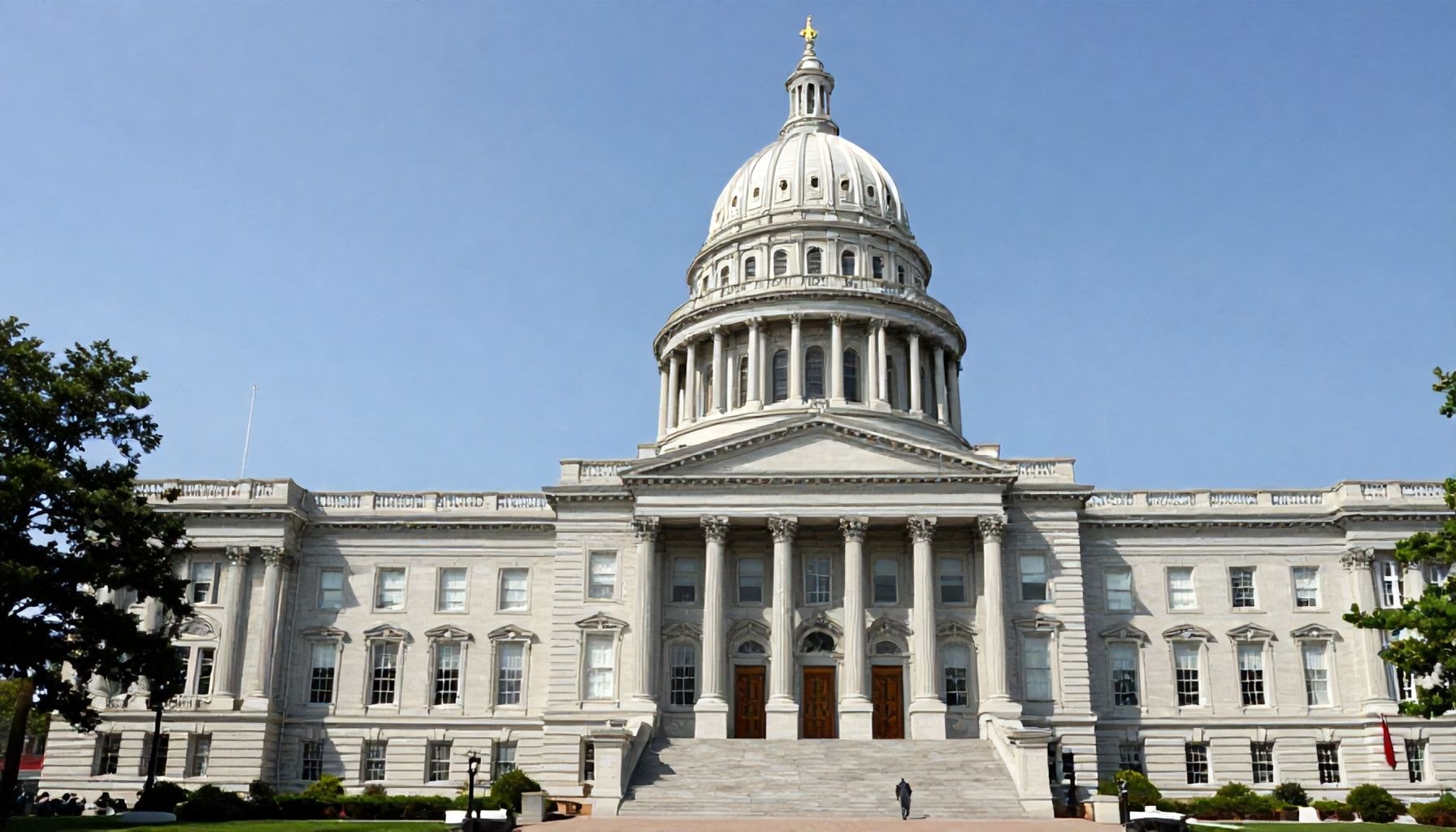

Nestled along the western bank of the Hudson River, Albany has served as the capital of New York since 1797, making it one of the oldest state capitals in the United States. The city’s rich history and political significance have shaped not only the state but also the nation’s development. Albany’s status as the capital of New York is a testament to its enduring importance in American governance.
Understanding what is the capital of New York matters because it’s a hub of political activity, cultural heritage, and economic influence. Albany’s role as the capital of New York extends beyond its historical significance; it’s a city where decisions are made that impact millions of lives. From the grand New York State Capitol building to the bustling streets filled with a blend of historic charm and modern energy, Albany embodies the essence of New York’s political heart. Knowing what is the capital of New York offers a glimpse into the state’s past, present, and future.
A Historic Choice

Nestled along the west bank of the Hudson River, Albany stands as the capital of New York, a distinction it has held since 1797. The city’s historic significance is etched into its architecture and institutions, with the New York State Capitol building serving as a testament to its enduring role. Albany’s selection as the capital was no accident; its strategic location and established infrastructure made it an ideal choice for the state’s governmental seat.
Albany’s journey to becoming the capital began in the late 18th century. The state legislature, seeking a central location that could accommodate its growing needs, chose Albany over other contenders like New York City and Kingston. The city’s proximity to major trade routes and its role as a hub for commerce and culture played a pivotal role in this decision. Today, Albany’s status as the capital is a source of pride for its residents, who celebrate the city’s rich history and political significance.
According to historians, Albany’s capital status has shaped its development and identity. The city’s population has grown steadily, reaching over 100,000 residents, with a metropolitan area that exceeds 850,000. This growth is a testament to Albany’s enduring appeal and its ability to adapt to the changing needs of the state and its citizens. The city’s role as the capital has also fostered a vibrant cultural scene, with numerous museums, theaters, and historic sites that attract visitors from around the world.
Albany’s status as the capital of New York is a historic choice that continues to influence the city’s trajectory. From its strategic location to its rich cultural heritage, Albany embodies the spirit of New York and serves as a vital center for government, commerce, and culture. As the state continues to evolve, Albany’s role as its capital remains a cornerstone of its identity and a source of pride for its residents.
Albany's Strategic Advantages

Nestled in the heart of New York State, Albany has served as the state capital since 1797. Its strategic location along the Hudson River has historically made it a vital hub for trade and transportation. The city’s accessibility and central position within the state have significantly contributed to its political and economic importance.
Albany’s role as the capital brings with it a concentration of government institutions, including the New York State Capitol building, a striking architectural landmark that houses the Governor’s office and the legislative chambers. This centralization of political power has fostered a unique urban environment where policy decisions are made and implemented.
According to urban planners, the city’s compact downtown area, combined with its well-established infrastructure, provides a cost-effective setting for government operations. Albany’s strategic advantages extend beyond politics. The city’s proximity to major metropolitan areas like New York City and Boston enhances its appeal as a regional center for business and culture.
Government Buildings and Institutions
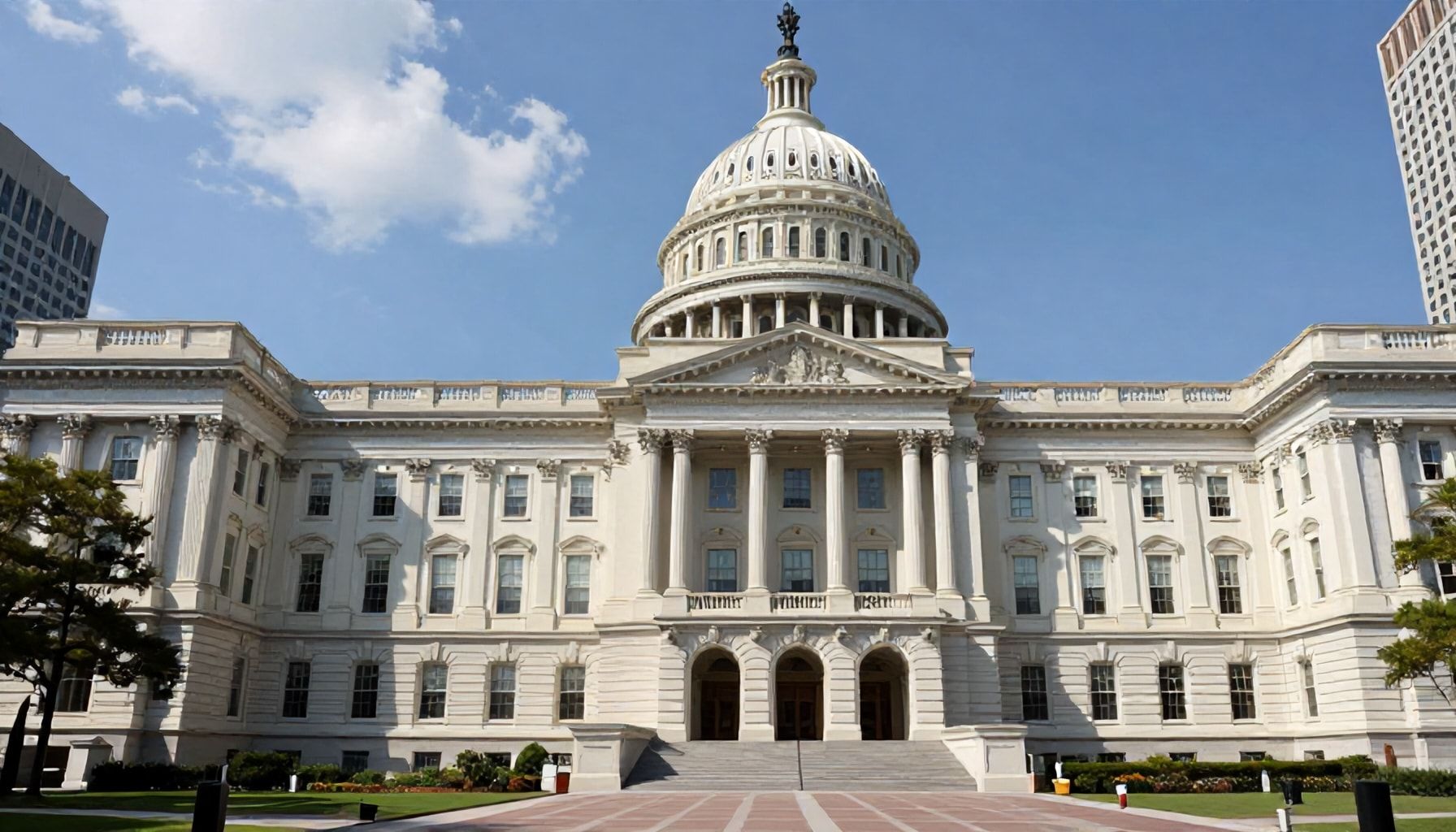
Nestled along the west bank of the Hudson River, Albany stands as the capital of New York State. This historic city has held this distinction since 1797, succeeding New York City in the role. Albany’s strategic location and rich history have made it a natural hub for government and commerce. The city’s skyline, dotted with neoclassical buildings, reflects its enduring political significance.
At the heart of Albany’s government district lies the New York State Capitol. This architectural marvel, completed in 1899, houses the Governor’s office and the legislative chambers. The Capitol’s intricate design and grand halls are a testament to the state’s political heritage. Nearby, the Empire State Plaza spans 98 acres and includes office buildings, cultural institutions, and public spaces. The plaza’s distinctive design, featuring a reflecting pool and towering towers, is a familiar sight to both locals and visitors.
The New York State Museum, also located in the Empire State Plaza, offers insights into the state’s natural and cultural history. With over 16 million artifacts, it is one of the largest state museums in the country. The museum’s exhibits range from prehistoric fossils to contemporary art, providing a comprehensive overview of New York’s diverse heritage. According to historians, Albany’s role as the state capital has shaped its development and preserved its historical charm.
Tourism and Local Attractions
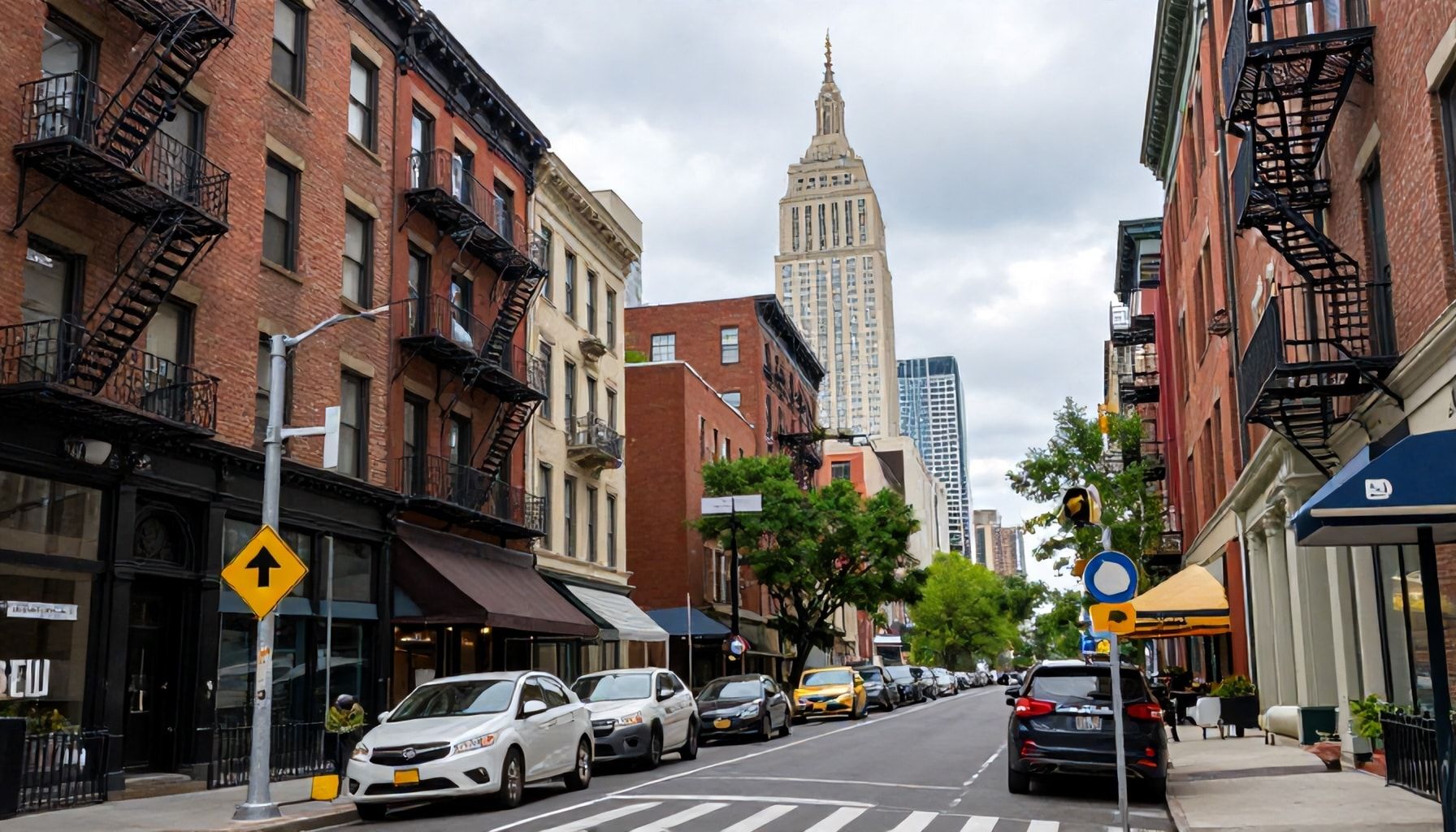
Nestled in the heart of New York State, Albany has served as the capital since 1797. Its rich history and strategic location along the Hudson River make it a compelling destination for visitors. The city’s well-preserved architecture, including the iconic New York State Capitol, offers a glimpse into its storied past. With over 10 million visitors annually, Albany blends historical significance with modern attractions.
The New York State Museum, housed in the historic Empire State Plaza, stands as a testament to the city’s cultural heritage. Its extensive collections span natural history, art, and New York State history. The museum’s exhibits, such as the rotating “New York at Work” display, attract history enthusiasts and casual visitors alike. The plaza itself, designed by architect Wallace Harrison, provides a striking backdrop for cultural events and public gatherings.
Albany’s vibrant arts scene adds to its allure. The Troy Savings Bank Music Hall, just a short drive away, is renowned for its exceptional acoustics and historic charm. The Palace Theatre in downtown Albany hosts a variety of performances, from Broadway shows to concerts. These venues contribute to the city’s reputation as a hub for the performing arts.
For outdoor enthusiasts, the Hudson River offers ample opportunities for recreation. The Albany Riverfront Park provides a scenic setting for picnics, walks, and waterfront activities. The park’s location along the Hudson River makes it a popular spot for both locals and tourists. According to the Albany Convention and Visitors Bureau, the riverfront area sees a significant influx of visitors during the summer months.
Albany’s culinary scene reflects its diverse cultural influences. From farm-to-table restaurants to international cuisine, the city offers a wide range of dining options. The Albany Farmers Market, held every Saturday, showcases local produce and artisanal goods. Visitors can enjoy fresh, seasonal fare while supporting local farmers and businesses. This vibrant market is a must-visit for food lovers and those seeking an authentic taste of the region.
Navigating the Capital City

Nestled in the heart of New York State, Albany stands as the capital city, a title it has proudly held since 1797. This historic city, situated along the west bank of the Hudson River, serves as the political hub of the state, housing the New York State Capitol, the Governor’s Mansion, and the New York Court of Appeals. Albany’s strategic location and rich history have made it a significant center for commerce and culture.
With a population of approximately 100,000 residents, Albany offers a unique blend of urban and suburban living. The city’s compact size and well-planned layout make it easy to navigate, whether by car, public transportation, or on foot. Visitors and locals alike can explore the city’s diverse neighborhoods, each with its own distinct character and charm.
Albany’s status as the capital city is deeply rooted in its historical significance. According to historians, the city’s central location and established infrastructure made it an ideal choice for the state capital. Today, Albany continues to thrive as a vibrant city, attracting tourists, businesses, and residents with its rich heritage and modern amenities.
Navigating Albany is a breeze, thanks to its well-connected transportation network. The city’s bus system, operated by CDTA, provides efficient and affordable public transit options. Additionally, Albany International Airport offers convenient air travel, connecting the city to major destinations across the country. For those who prefer to explore on two wheels, Albany’s extensive network of bike lanes and trails makes cycling a popular and enjoyable option.
Albany's Evolving Role
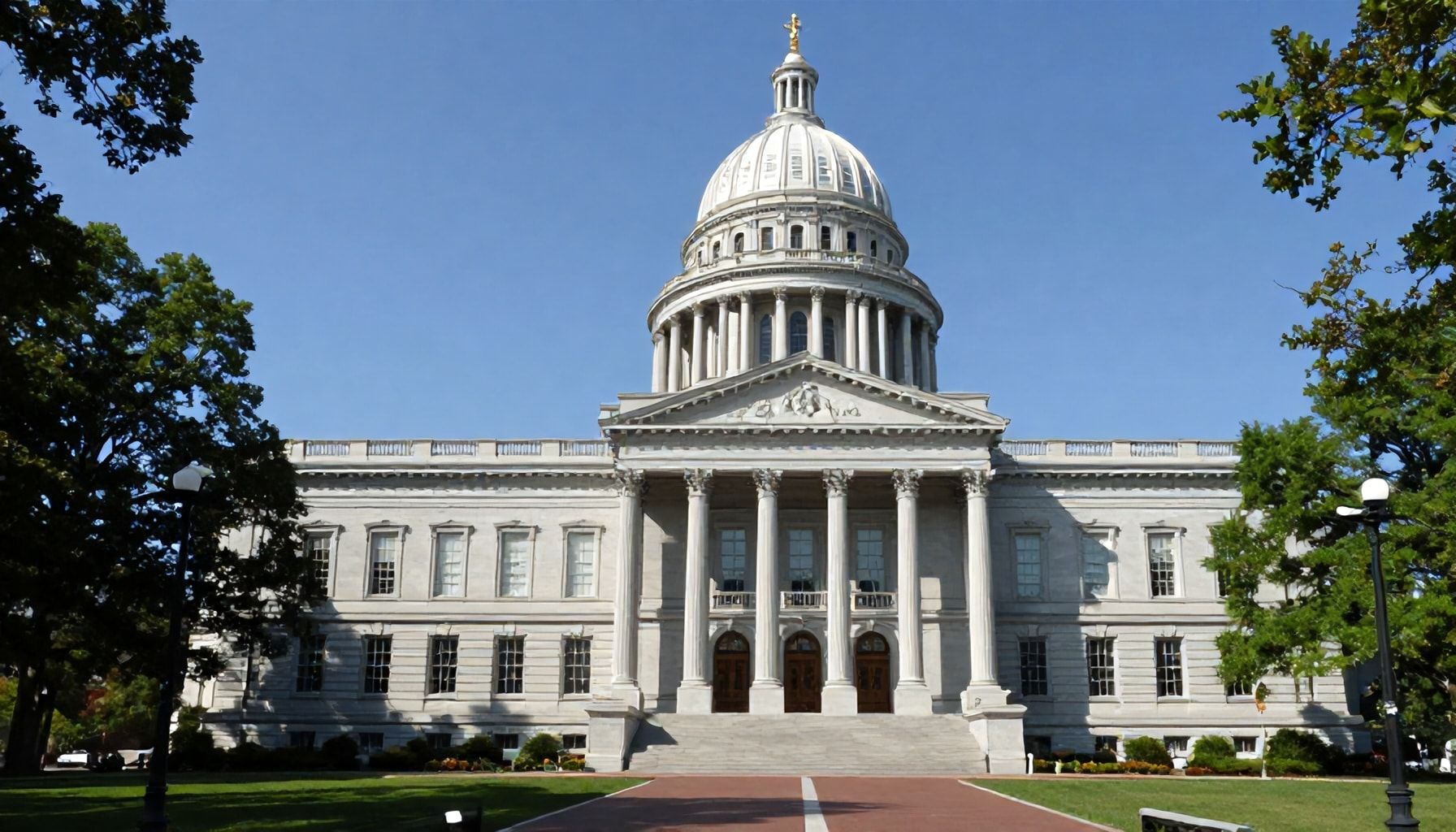
Albany, nestled in the heart of New York State, has served as the capital since 1797. Its strategic location along the Hudson River made it an ideal hub for trade and governance. The city’s evolution from a small Dutch settlement to a bustling political center reflects its enduring significance. Today, Albany’s role extends beyond state politics, encompassing cultural and economic importance.
Home to the New York State Capitol, Albany hosts the state legislature and governor’s office. The Capitol building, a National Historic Landmark, stands as a testament to the city’s political heritage. Albany’s government sector employs over 15,000 people, driving the local economy. This concentration of political power attracts lobbyists, lawyers, and policy analysts, creating a dynamic professional ecosystem.
Albany’s influence isn’t confined to politics. The city boasts a thriving arts scene, with institutions like the Albany Institute of History & Art. According to a recent study by the New York State Cultural Data Project, cultural tourism contributes over $200 million annually to the local economy. This blend of political and cultural activities makes Albany a unique urban center.
As New York State continues to grow, Albany’s role evolves. The city is increasingly recognized for its educational opportunities, with institutions like the University at Albany. This blend of history, politics, and innovation positions Albany as a vital part of New York’s future. The city’s ability to adapt ensures its continued relevance in the 21st century.
Albany’s status as New York’s capital since 1797 is a testament to its historical significance and strategic location. The city’s well-preserved architecture and rich cultural offerings provide a unique blend of old-world charm and modern amenities. Visitors should explore the New York State Museum and the Empire State Plaza to gain a deeper understanding of Albany’s role in shaping the state’s history. As New York continues to evolve, Albany remains a vital hub, poised to play an even greater role in the state’s future.