

New York State has reached a new population milestone, with the latest estimates putting the number of residents at a record 19.6 million. This marks the first time the state has surpassed this threshold, reflecting steady growth over the past decade.
For residents and policymakers alike, the population of New York State is more than just a number. It signifies a thriving metropolis and its surrounding regions, each contributing uniquely to the state’s cultural, economic, and political landscape. With 19.6 million people calling it home, New York continues to be a dynamic hub of activity, influencing everything from local communities to national trends.
A Century of Growth
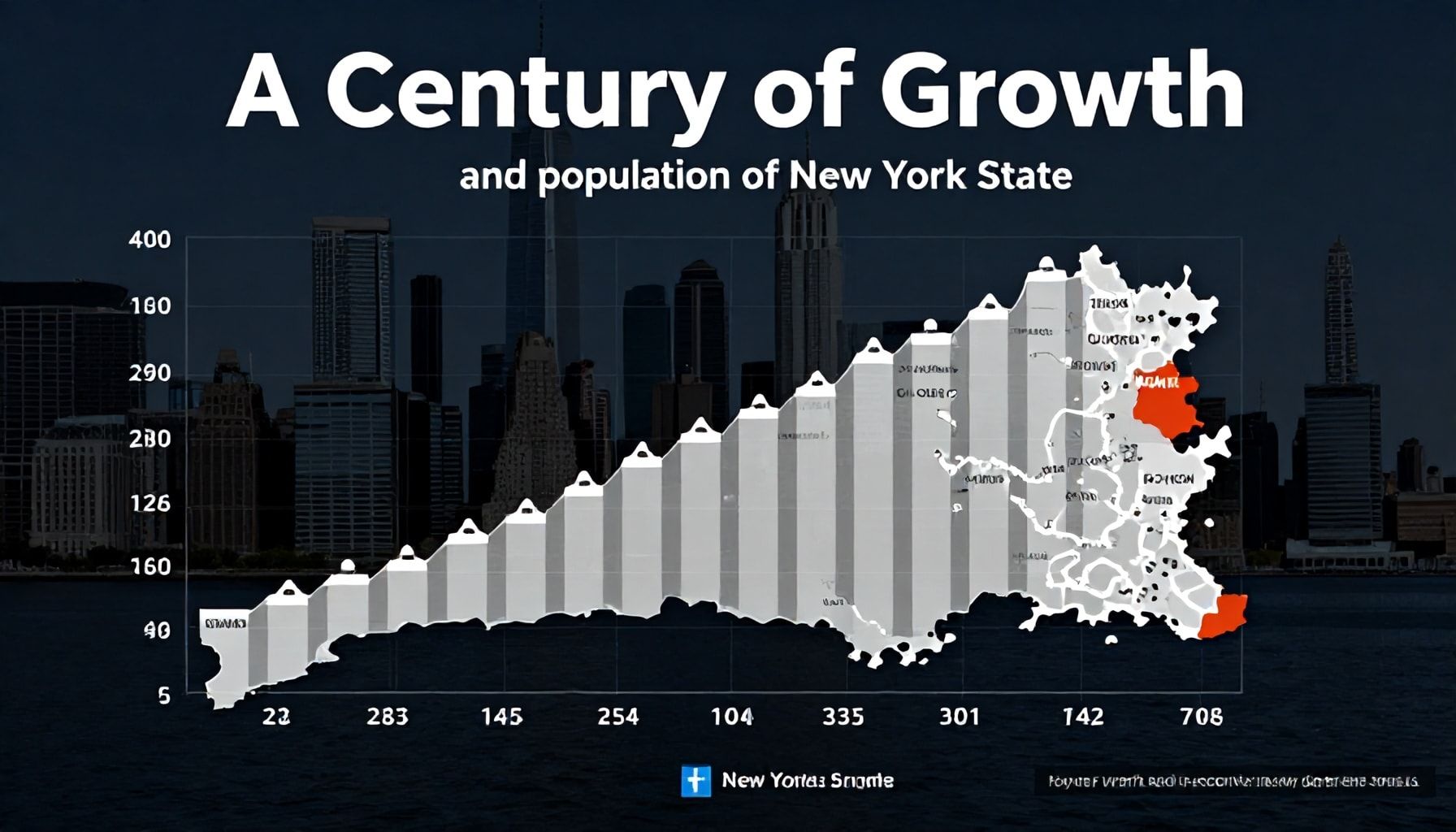
New York State’s population has been on an upward trajectory for over a century. The Empire State first surpassed 10 million residents in 1920, according to historical census data. This growth reflects waves of immigration, economic opportunities, and cultural attractions that have drawn people from across the globe. The state’s population has more than doubled since then, reaching the current record of 19.6 million.
Throughout the 20th century, New York State experienced significant population shifts. Urban centers like New York City grew rapidly, while rural areas saw slower but steady increases. The state’s population reached 18 million in the 1970s, marking a pivotal milestone in its demographic history. Experts attribute this growth to the state’s diverse economy and status as a global hub for finance, arts, and education.
In recent decades, New York State has continued to attract new residents. The population has grown by nearly 1.6 million since 2000, driven by international migration and domestic movement. The state’s commitment to innovation and sustainability has further enhanced its appeal. With a population of 19.6 million, New York remains a vibrant and dynamic place to live and work.
Looking ahead, New York State is poised for further growth. Projections suggest the population could reach 20 million by mid-century. This growth will bring both opportunities and challenges, as the state works to balance development with quality of life. New York’s enduring appeal ensures it will remain a key destination for those seeking opportunity and cultural richness.
Census Data Reveals Trends
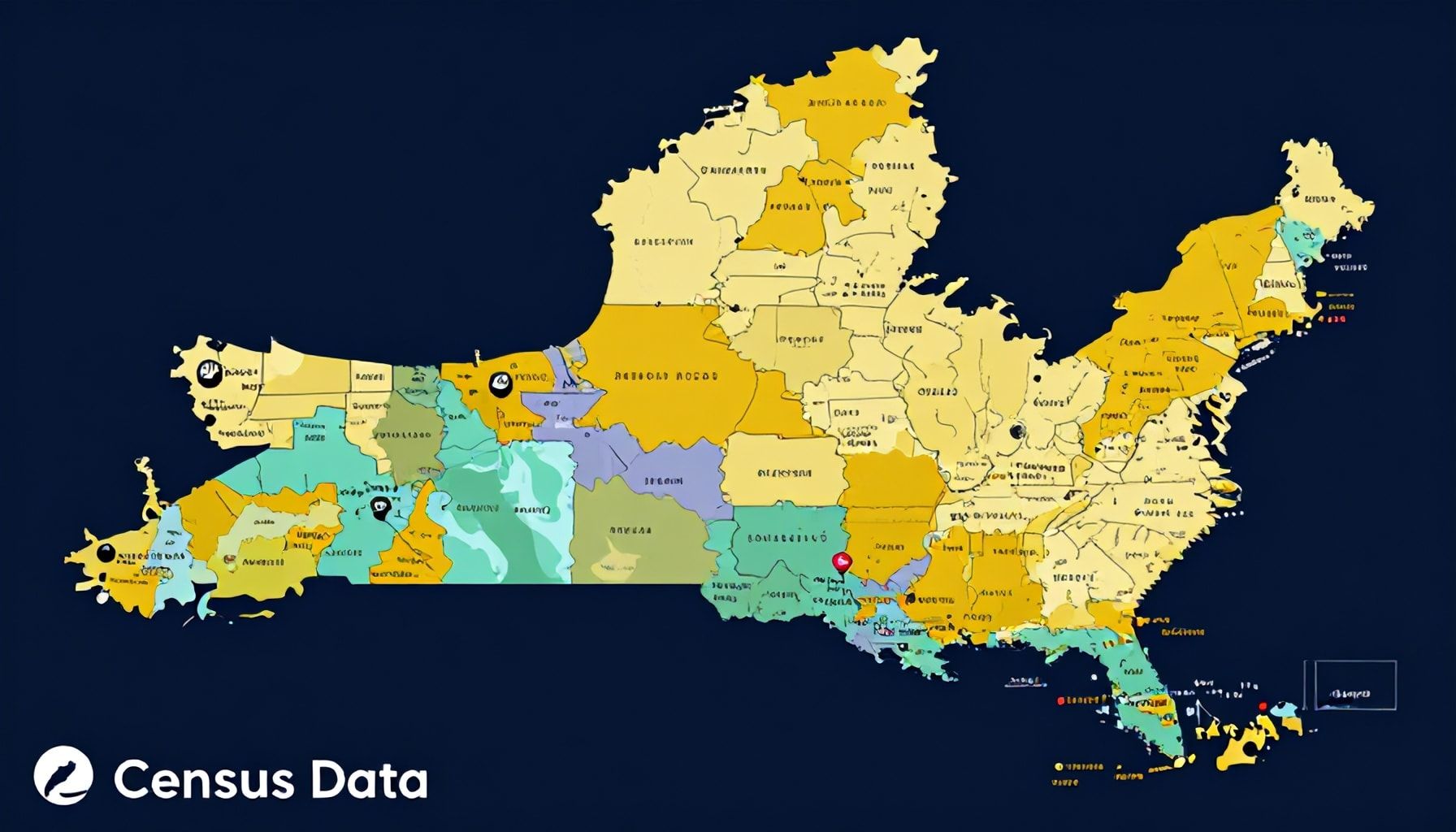
The latest census data reveals fascinating trends in New York State’s population growth. For the first time in history, the state has surpassed 19.6 million residents. This growth, while steady, shows a slight slowdown compared to previous decades. Experts attribute this to factors like aging populations and outmigration trends.
Urban areas continue to dominate population density. New York City remains the most populous city, with over 8.8 million residents. However, suburban counties like Westchester and Rockland have seen notable growth. This shift suggests changing preferences for living spaces post-pandemic.
Demographic shifts are also evident. The state’s minority populations are growing faster than the overall population. Hispanics now make up 20% of the state’s residents, while Asians have seen a 25% increase since the last census. These changes reflect New York’s evolving cultural landscape.
Despite the growth, challenges remain. Aging infrastructure and housing shortages pose significant hurdles. The state must address these issues to accommodate its expanding population. Policymakers are under pressure to implement sustainable solutions.
Diverse Communities Shape State
New York State’s population growth reflects its status as a global melting pot. The latest census data reveals a mosaic of communities, with immigrants contributing significantly to the state’s cultural and economic fabric. Over 4.5 million residents were born outside the United States, representing nearly a quarter of the state’s total population. This diversity fuels innovation and resilience, shaping New York’s unique identity.
Brooklyn stands out as a microcosm of this diversity. The borough’s population has surged by 5% since the last census, with substantial growth in neighborhoods like Sunset Park and Bensonhurst. These areas have seen an influx of Asian and Latin American immigrants, respectively, adding to the borough’s rich cultural tapestry. The influx has also spurred demand for multilingual services and international cuisine, transforming local economies.
A demographer from the University of New York highlights the long-term benefits of this diversity. “Diverse communities drive economic growth and foster social cohesion,” they explain. “They bring new skills, perspectives, and consumer markets that enrich the state’s overall prosperity.” This sentiment echoes throughout New York, where diversity is not just a demographic fact but a source of strength and vitality.
Upstate New York, often perceived as less diverse, is also experiencing demographic shifts. Cities like Buffalo and Rochester have seen growth in their African and Middle Eastern communities. These changes, though less pronounced than in downstate areas, contribute to the state’s evolving cultural landscape. The influx of new residents is revitalizing neighborhoods and creating opportunities for cross-cultural exchange.
Economic Impact of Population Boom
New York State’s population surge to 19.6 million brings significant economic implications. The state’s workforce expands, driving productivity and innovation across sectors. From finance in Manhattan to tech in Buffalo, diverse industries benefit from the influx of skilled labor. However, this growth also intensifies competition for resources and housing, raising costs.
Consumer spending has surged, bolstering local businesses and attracting national retailers. The state’s gross domestic product (GDP) has seen a steady increase, with experts citing population growth as a key factor. According to a recent economic report, New York’s GDP grew by 3.2% last year, outpacing the national average. This economic boom creates a ripple effect, enhancing state revenues and funding for public services.
Infrastructure faces both opportunities and challenges. While increased population drives demand for improved transportation and utilities, it also strains existing systems. The state has responded with significant investments in infrastructure projects, aiming to accommodate growth sustainably. These initiatives are crucial for maintaining economic momentum and quality of life.
Immigration plays a pivotal role in this economic transformation. New York’s diverse population contributes to a vibrant cultural landscape, fostering creativity and entrepreneurship. The state’s policies supporting immigration have been instrumental in attracting talent and driving economic growth. As the population continues to grow, these policies will remain vital for sustaining prosperity.
Challenges in Housing and Infrastructure
New York State’s record population of 19.6 million presents significant challenges for housing and infrastructure. Demand for affordable housing continues to outpace supply, particularly in urban areas like New York City, where the population density is among the highest in the nation. According to a recent report by a prominent urban planning institute, the state needs to build approximately 2.2 million new housing units by 2030 to meet demand.
Transportation infrastructure faces similar pressures. The state’s extensive public transit systems, including the MTA in New York City, are strained by increased ridership. Aging infrastructure requires substantial investment, with estimates suggesting billions of dollars are needed for repairs and upgrades. Delays and overcrowding are common, impacting daily commutes and economic productivity.
Water and sewer systems also struggle to keep up with population growth. In some regions, outdated infrastructure leads to service disruptions and environmental concerns. Experts emphasize the need for comprehensive planning to address these issues proactively, ensuring sustainable growth for future generations.
Balancing growth with infrastructure needs is a complex task. Policymakers and urban planners must collaborate to develop solutions that support the state’s expanding population while maintaining quality of life. Innovative approaches, such as mixed-use developments and smart city technologies, offer potential pathways to address these challenges effectively.
Planning for Future Growth
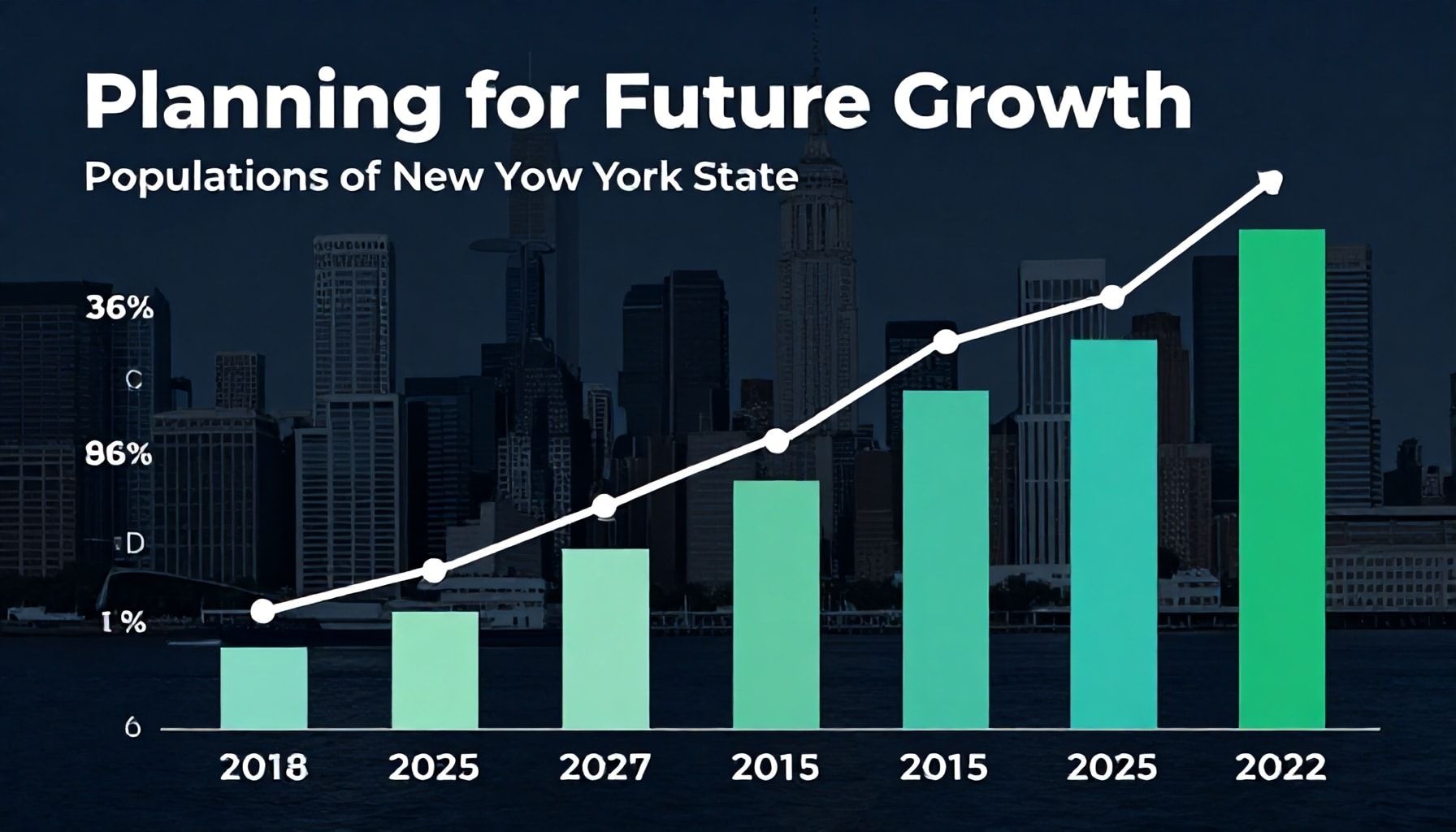
New York State’s record population of 19.6 million presents both opportunities and challenges for future growth. The state’s diverse economy and global city attract newcomers, but infrastructure and services must keep pace. Experts emphasize the need for strategic planning to accommodate this growth sustainably.
Urban areas like New York City and Buffalo continue to draw residents, but rural regions also see gradual increases. This shift requires targeted investment in housing, transportation, and public services. A recent study highlights that 65% of new residents settle in metropolitan areas, straining existing resources.
Education and workforce development remain critical. The state’s population growth brings a younger demographic, creating demand for quality schools and job training programs. Policymakers must prioritize these areas to foster long-term economic stability.
New York State’s population has reached an unprecedented 19.6 million, marking a significant milestone in its demographic history. This growth reflects the state’s enduring appeal as a hub for opportunity, diversity, and cultural richness. For policymakers and urban planners, this surge underscores the urgent need to invest in infrastructure, education, and public services to accommodate the growing population. Looking ahead, New York State is poised to continue its trajectory as a dynamic and evolving landscape, shaping the future of the nation.