
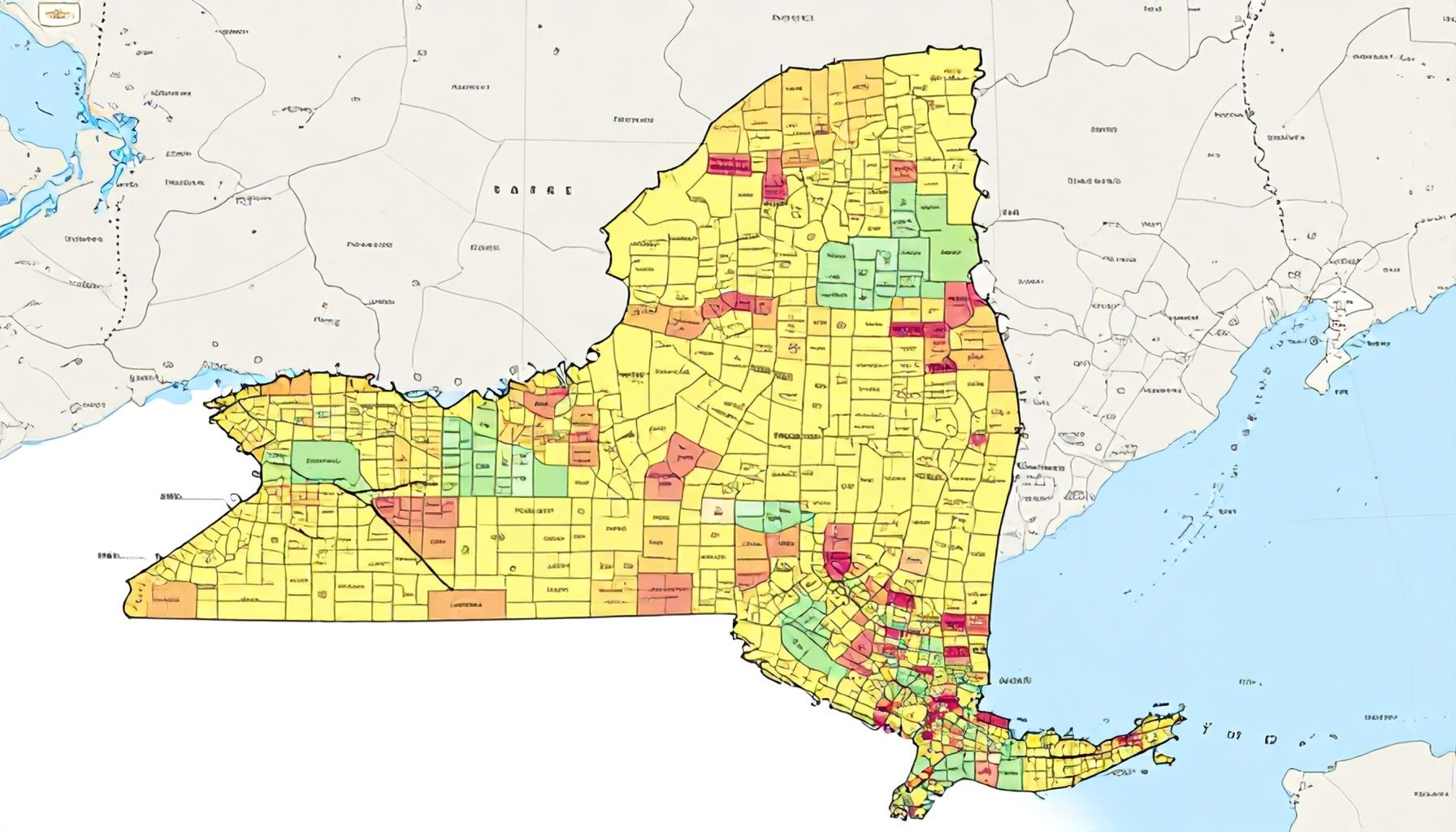

New York State sprawls across 54,555 square miles, a vast expanse that the map of New York State divides into 62 counties and 514 towns. This intricate patchwork of communities, each with its own unique character, tells a story of diversity and history that stretches back centuries. From the bustling streets of New York City to the serene landscapes of the Adirondacks, the map of New York State serves as a visual narrative of the Empire State’s rich tapestry.
Understanding the map of New York State is more than just a geographical exercise; it’s a journey through the state’s cultural, economic, and historical landscapes. Whether planning a road trip, researching genealogy, or simply satisfying curiosity, the map offers a comprehensive guide to New York’s counties and towns. Each dot on the map represents a community with its own stories, traditions, and contributions to the state’s collective identity. Navigating this map provides insights into the state’s past and present, making it an invaluable tool for residents and visitors alike.
New York's County and Town Landscape
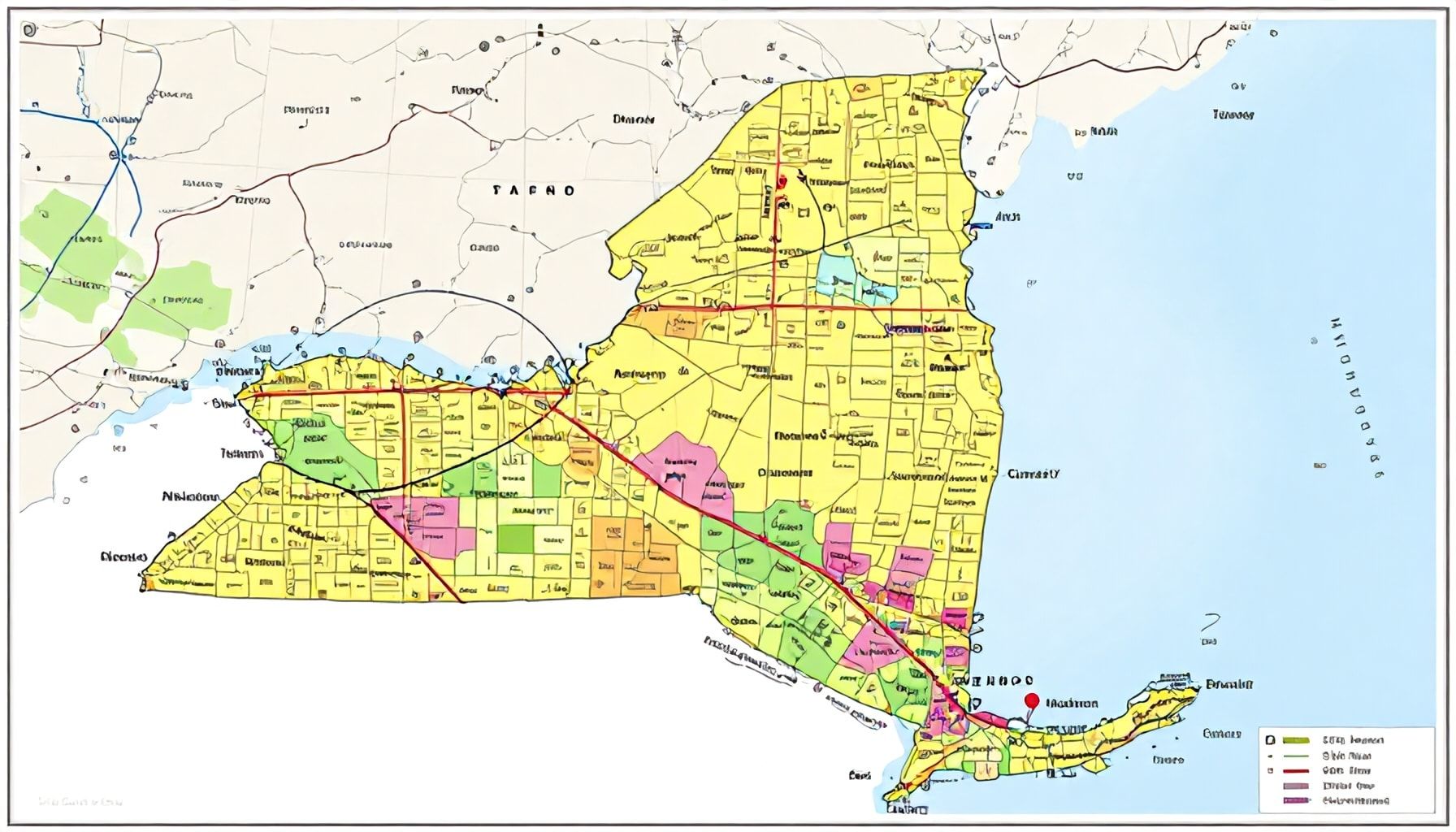
New York State’s map reveals a complex patchwork of 62 counties, each with its own unique character and governance. The state’s counties range from densely populated urban centers like New York County, home to Manhattan, to vast rural expanses such as Hamilton County in the Adirondacks. This diversity creates a rich tapestry of local cultures, economies, and landscapes that define the Empire State.
Within these counties, 514 towns form the backbone of local governance. Towns in New York often encompass both rural and suburban areas, providing services and maintaining infrastructure for residents. The town structure allows for localized decision-making, reflecting the specific needs and priorities of each community. This system has evolved over centuries, adapting to the changing demographics and economic conditions of the state.
A notable aspect of New York’s county and town landscape is the concentration of population and economic activity in the southeastern part of the state. According to the U.S. Census Bureau, over 90% of New York’s residents live in the southeastern counties, which include major metropolitan areas like New York City, Buffalo, and Albany. This concentration shapes the state’s political and economic dynamics, as well as its infrastructure and service delivery.
Geographers and urban planners highlight the importance of understanding this landscape for effective governance and development. The interplay between counties and towns creates a layered system of administration that can be both a strength and a challenge. Navigating this structure requires a nuanced approach, balancing local autonomy with regional and state-wide coordination. The map of New York State serves as a vital tool for visualizing and comprehending this intricate system.
Understanding the State's Geographic Divisions
New York State’s geographic divisions form a complex patchwork, with 62 counties serving as the primary administrative units. These counties vary significantly in size and population, from the sprawling expanse of St. Lawrence County in the north to the densely populated Kings County, home to Brooklyn. Each county contains towns, villages, and cities that further divide the landscape, creating a mosaic of local governance.
Within these counties, 514 towns exist, each with its own unique character and history. Towns in New York State often encompass multiple villages and hamlets, reflecting the state’s rich colonial heritage. The town of Hempstead, for instance, is the most populous in the state, with over 700,000 residents, while others, like the town of Catskill, boast smaller, close-knit communities.
A 2020 study by the New York State Department of State highlights the importance of these divisions in local governance and resource allocation. The state’s geographic layout facilitates tailored approaches to regional challenges, from urban development in counties like Westchester to agricultural preservation in rural areas such as Chenango County.
Understanding New York State’s geographic divisions provides insight into its political, economic, and cultural landscape. The interplay between counties and towns shapes policies, services, and community identities, making these divisions a critical aspect of the state’s fabric.
Navigating New York's County Map
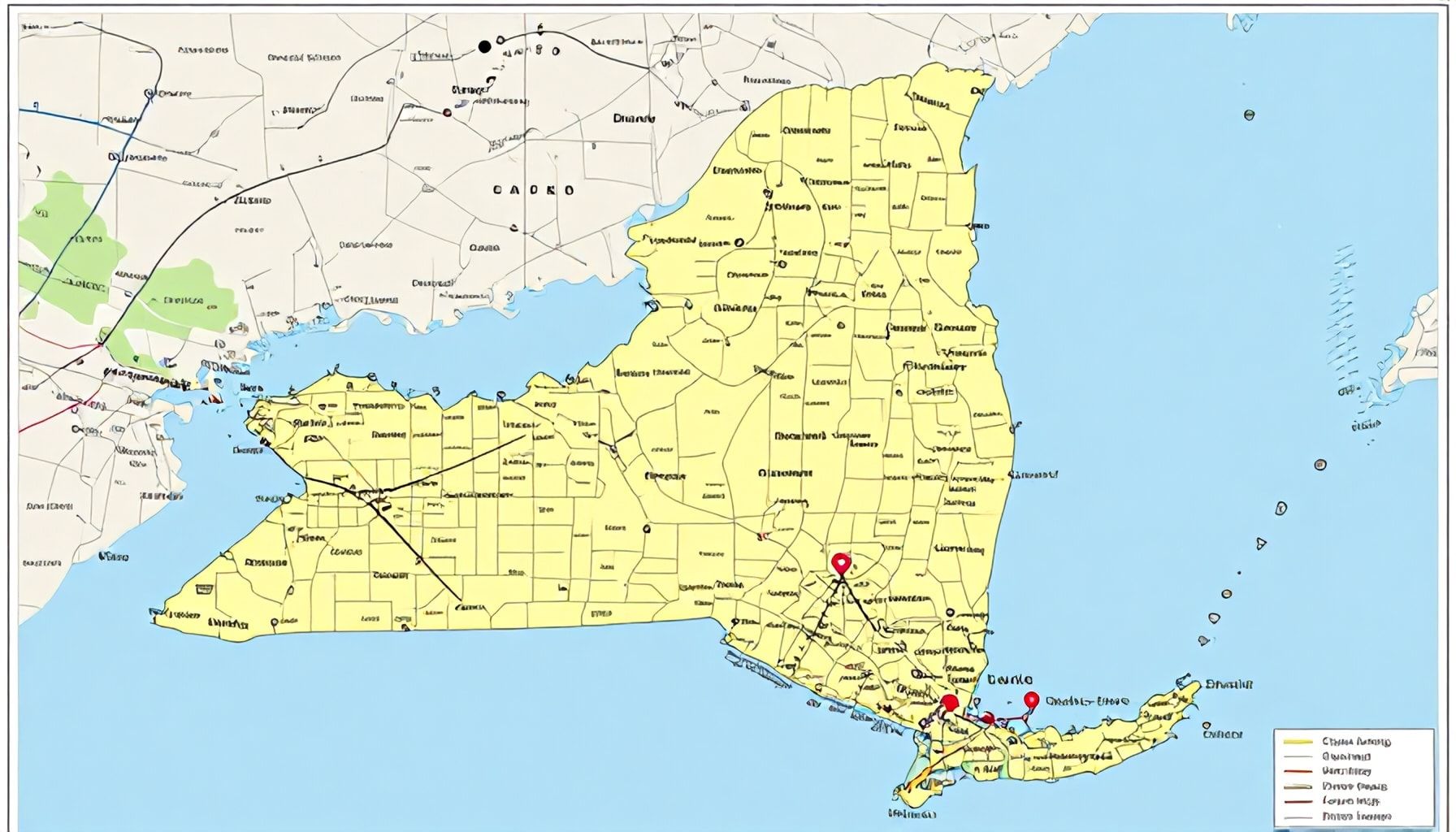
New York State’s county map reveals a complex patchwork of 62 counties, each with its own unique character and history. Navigating this map requires an understanding of the state’s geographical diversity, from the bustling urban landscapes of New York City’s five boroughs to the sprawling rural expanses of upstate counties. The map also highlights the state’s five cities, each serving as a county seat, including Albany, the state capital.
Counties in New York vary significantly in size and population. For instance, Suffolk County, located on Long Island, is the most populous with over 1.5 million residents, while Hamilton County, nestled in the Adirondacks, has fewer than 5,000 inhabitants. This stark contrast underscores the state’s geographical and demographic diversity.
A geographer from a prominent university notes that New York’s county map is a testament to the state’s rich history and evolving governance. The map reflects centuries of political, economic, and social changes, with each county telling its own story. Understanding this historical context enhances the appreciation of New York’s geographical layout.
Towns play a crucial role in New York’s county structure, with 514 towns scattered across the state. These towns, often smaller than cities, contribute to the local governance and cultural identity of their respective counties. The map serves as a vital tool for residents and visitors alike, offering a comprehensive view of New York’s administrative divisions.
Exploring Towns Within Each County
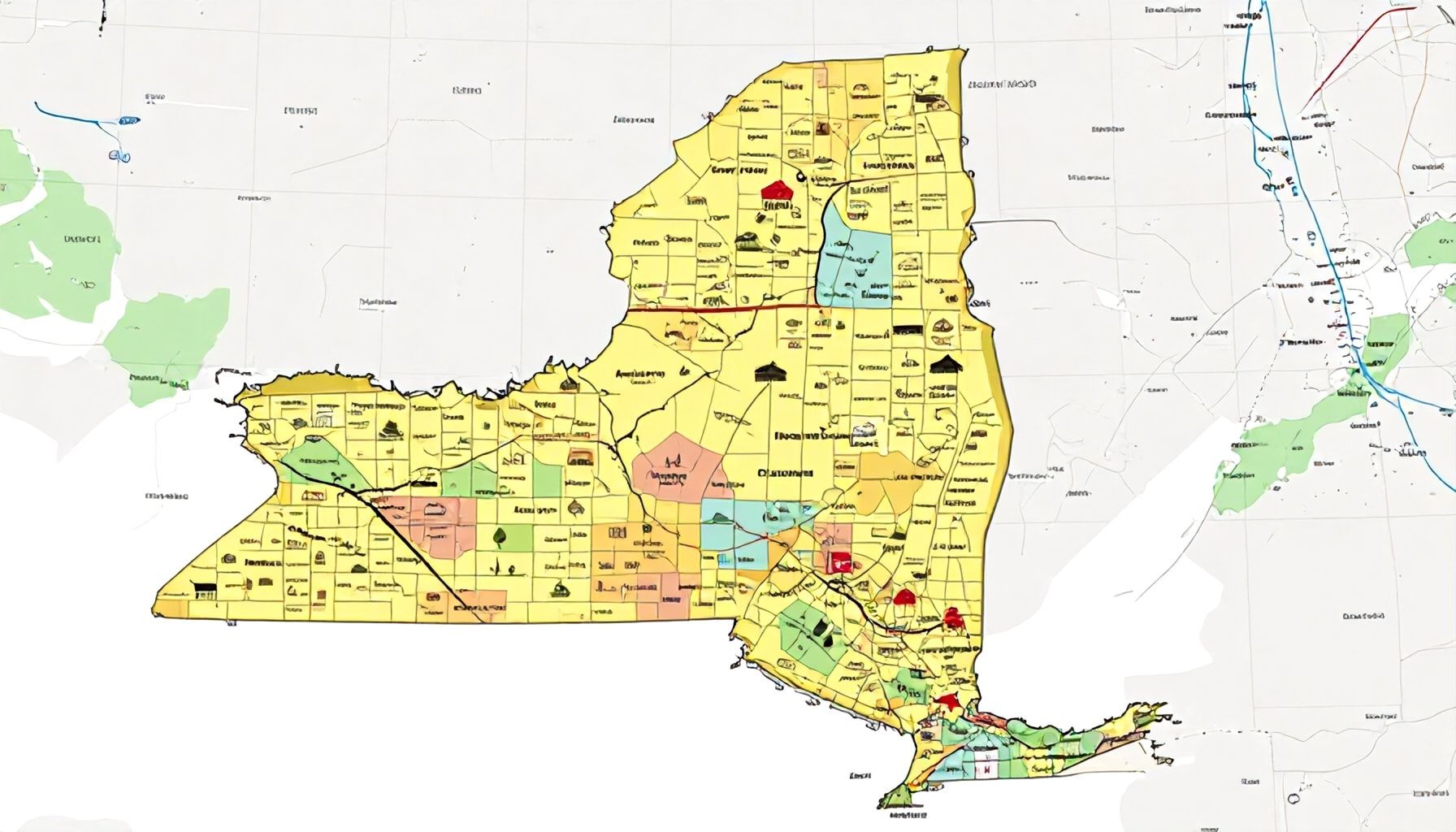
New York State’s 62 counties each contain a unique collection of towns, each with its own distinct character and history. From the bustling streets of New York City’s five boroughs to the quiet, rural landscapes of upstate counties, the diversity is staggering. For instance, Suffolk County alone boasts 19 towns, ranging from the affluent Hamptons to the more modest communities of the North Fork.
In the western part of the state, Erie County is home to the vibrant city of Buffalo, along with 18 other towns. Each town offers a different experience, from the historic charm of Williamsville to the natural beauty of Hamburg. The county’s towns collectively contribute to a rich tapestry of culture and industry.
A study by the New York State Department of State highlights that the state’s towns serve as the backbone of local governance, providing essential services and preserving community identity. This is evident in the way each town manages its own affairs, from zoning laws to public safety.
Upstate, counties like Saratoga and Dutchess offer a mix of historic sites and outdoor recreation. Saratoga Springs, for example, is renowned for its horse racing and mineral springs, while the surrounding towns provide a blend of rural and suburban living. Dutchess County, with its nine towns, offers a similar variety, from the historic charm of Beacon to the agricultural landscapes of Amenia.
Exploring the towns within each county reveals the true diversity of New York State. Whether it’s the urban energy of the Bronx or the tranquil beauty of the Adirondacks, each town has a story to tell. This intricate patchwork of communities is what makes New York State so uniquely fascinating.
Practical Uses of the State Map
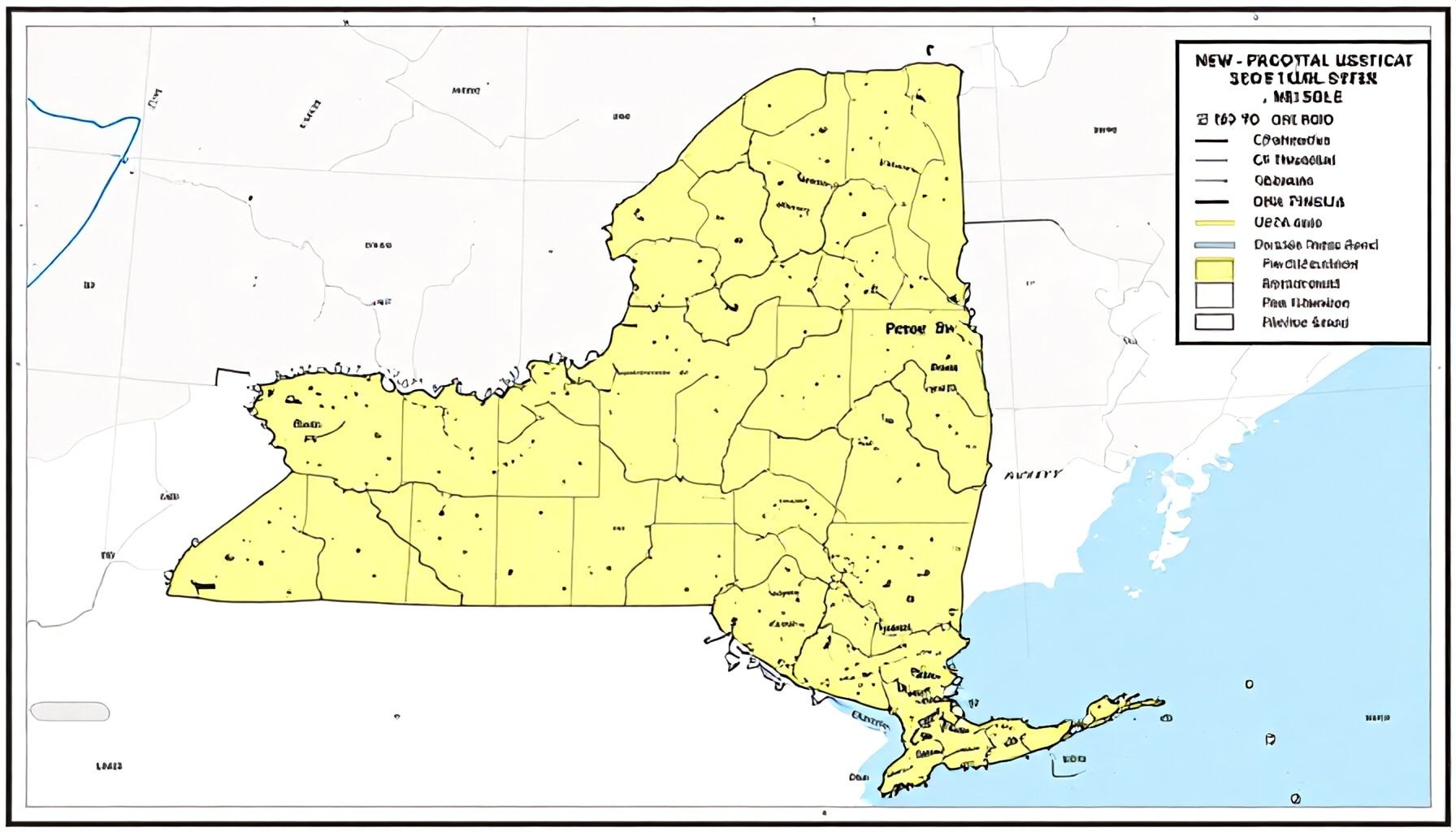
The New York State Map serves as an invaluable tool for residents and visitors alike. Navigating the state’s vast network of roads becomes significantly easier with a clear visual representation of its 62 counties and 514 towns. Whether planning a road trip or looking for local services, the map provides essential geographical context. It helps users understand the layout of the state, making it simpler to plan routes and estimate travel times.
For businesses, the map is a strategic asset. Companies use it to identify optimal locations for new branches or distribution centers. Understanding the distribution of towns and counties allows businesses to make informed decisions about expansion. According to a recent study by a leading urban planning institute, businesses that use detailed state maps for location planning see a 20% increase in operational efficiency.
Educators and students also benefit from the New York State Map. It serves as a visual aid for teaching geography, history, and social studies. Students can explore the state’s diverse regions, from the bustling streets of New York City to the serene landscapes of the Adirondacks. The map fosters a deeper understanding of the state’s cultural and economic diversity.
Emergency services rely on the map for efficient response coordination. During natural disasters or public health crises, quick access to accurate geographical data is crucial. The map helps first responders navigate to affected areas swiftly, ensuring timely assistance. It also aids in resource allocation, ensuring that aid reaches where it is needed most.
Future Updates to Geographic Boundaries
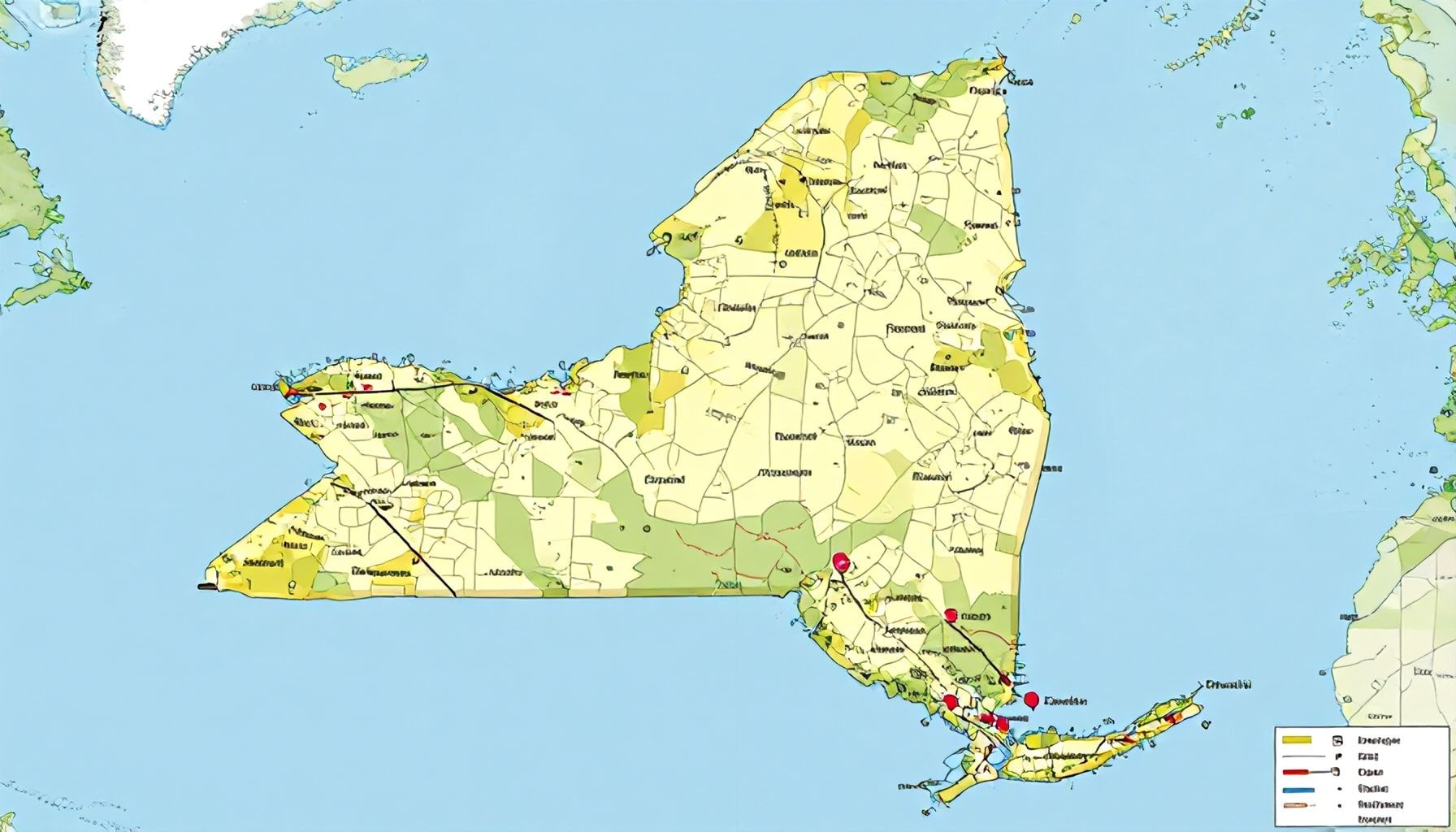
The New York State map, with its 62 counties and 514 towns, represents a snapshot of the state’s current geographic boundaries. However, these boundaries are not set in stone. The state has a history of boundary adjustments, and future updates may occur to reflect demographic shifts, economic development, or other factors.
One potential area for future changes lies in the state’s urban centers. As cities like New York City and Buffalo continue to evolve, the need for boundary adjustments may arise to better serve their growing populations. According to urban planning experts, approximately 80% of New York State’s population resides in urban areas, highlighting the importance of these regions in future boundary considerations.
Rural areas may also see changes. As smaller towns face population decline or economic challenges, consolidation or boundary adjustments could become necessary. The state’s Department of State, which oversees local government boundaries, will play a crucial role in any future updates. Their decisions will shape the map of New York State for generations to come.
While no immediate changes are planned, the dynamic nature of New York State ensures that its map will continue to evolve. Future updates will reflect the state’s ongoing growth, change, and development, ensuring that the map remains an accurate representation of New York’s geographic and political landscape.
The New York State map, with its 62 counties and 514 towns, offers a vivid snapshot of the state’s diverse geography and rich history. From the bustling streets of New York City to the serene landscapes of the Adirondacks, the map serves as a reminder of the state’s vast and varied attractions. For those planning a visit or a move, exploring the map can help identify key locations and plan routes efficiently. As New York continues to evolve, its map remains a dynamic representation of a state that seamlessly blends urban innovation with natural beauty.