
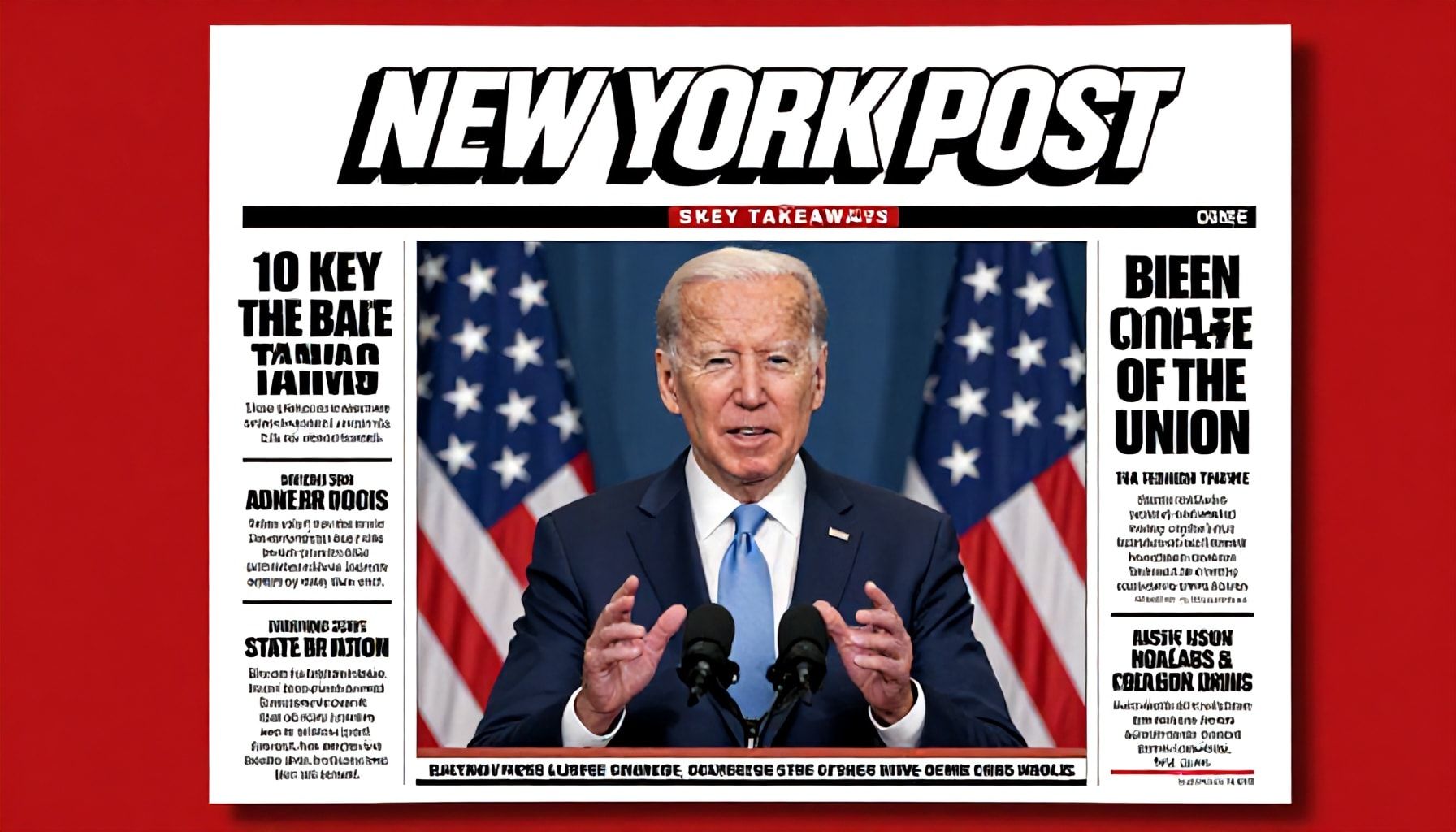

The New York Post’s front page today delivers a sharp analysis of President Biden’s State of the Union address, distilling it into 10 key takeaways that capture the nation’s attention. With a bold headline and striking visuals, the newspaper cuts through the political noise to highlight what truly matters.
Readers turning to the New York Post cover today will find a comprehensive breakdown of Biden’s speech, from economic policies to foreign affairs. The takeaways offer a clear, concise summary, making complex issues accessible. Whether it’s the push for infrastructure investment or the administration’s stance on global conflicts, the Post’s coverage ensures that the public stays informed. This isn’t just another recap; it’s a roadmap to understanding the president’s agenda and its potential impact on everyday lives.
Setting the Stage for Biden's Address
The New York Post’s front page today set the stage for President Biden’s State of the Union address, highlighting the anticipation and expectations surrounding the speech. The cover featured a striking image of Biden, accompanied by a bold headline that encapsulated the nation’s focus on the upcoming address. This visual representation underscored the significance of the event, which is expected to outline the administration’s priorities for the coming year.
According to political analysts, the State of the Union address is a critical moment for any president to communicate directly with the American people. With approval ratings hovering around 42%, Biden faces a challenging task of rallying support for his agenda. The New York Post’s cover reflects this pressure, emphasizing the high stakes of the address.
As the nation tunes in, the New York Post’s coverage provides a snapshot of the political landscape. The address is not just a report on the state of the union but also a strategic opportunity for Biden to shape the narrative. The media’s role in framing this event cannot be overstated, and the New York Post’s front page today is a testament to that influence.
With the speech just hours away, the New York Post’s coverage serves as a reminder of the address’s importance. The nation watches, ready to hear Biden’s vision for the future and the steps he plans to take to achieve it. The stage is set, and all eyes are on the president.
Key Themes from the State of the Union
President Biden’s State of the Union address underscored several critical themes that resonated with both supporters and critics. At the heart of his speech was a renewed focus on economic recovery, with Biden highlighting the creation of 12 million new jobs since his inauguration. This figure, according to a leading economic analyst, represents one of the strongest job growth periods in recent history. The president emphasized infrastructure investments and manufacturing revitalization as key drivers of this progress.
Healthcare reform emerged as another pivotal theme, with Biden calling for expanded access to affordable care. He urged Congress to lower prescription drug prices and protect Medicare and Social Security. These proposals drew applause from Democrats but faced skepticism from Republicans, who questioned the feasibility of such measures.
Biden also addressed the nation’s security challenges, stressing the importance of supporting Ukraine against Russian aggression. He pledged continued U.S. support while cautioning against escalation. This balanced approach aimed to reassure allies and domestic audiences alike.
Climate change received notable attention, with Biden outlining ambitious plans to transition to clean energy. He emphasized job creation in renewable sectors and the need to combat climate-related disasters. These initiatives reflected his commitment to addressing both economic and environmental concerns.
Finally, Biden touched on unity and bipartisanship, acknowledging the deep divisions within the country. He urged lawmakers to work together for the common good, though the effectiveness of this appeal remains to be seen. The speech set the stage for ongoing debates and policy discussions in the coming months.
Biden's Bold Proposals Unveiled
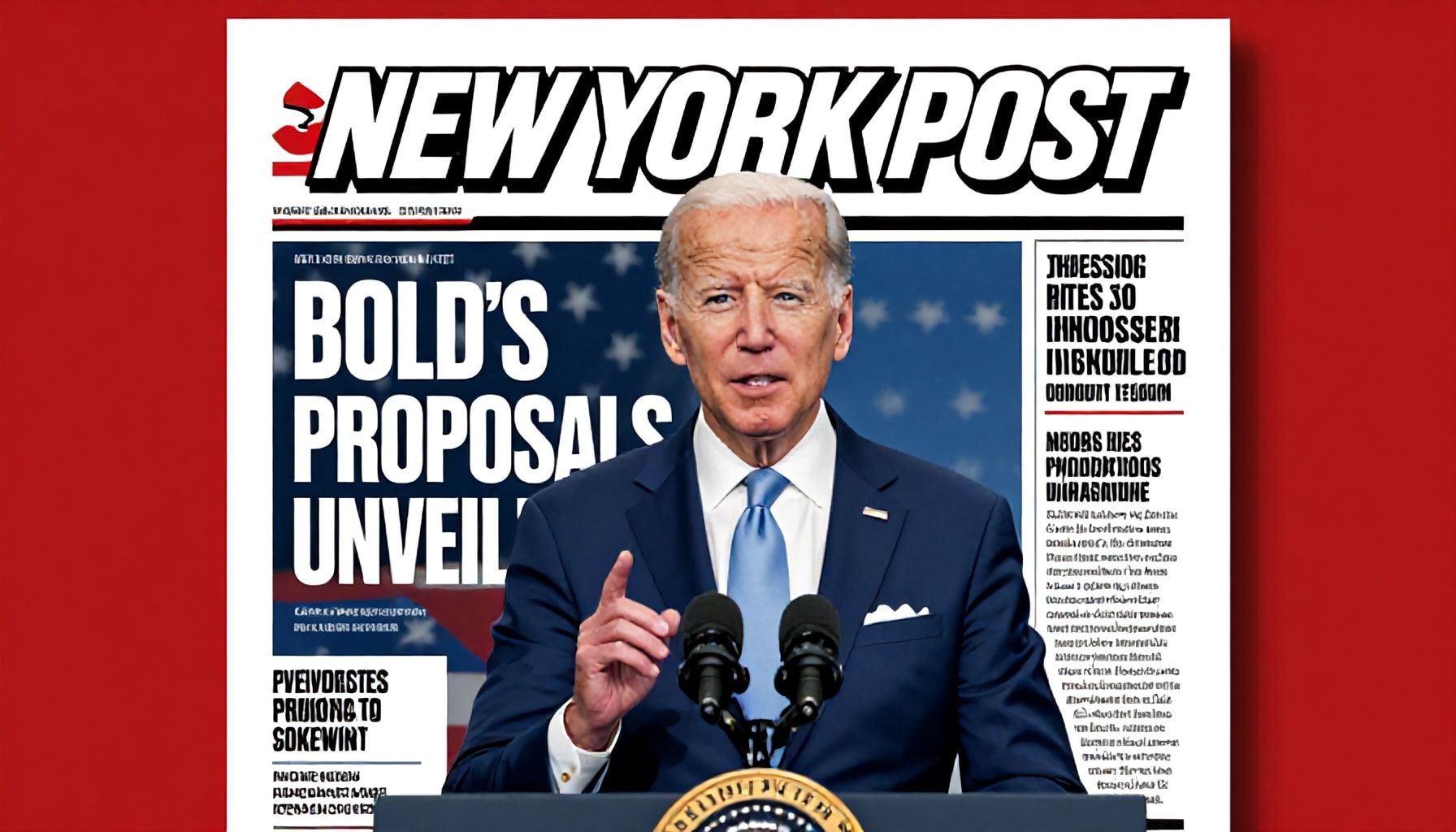
President Biden’s State of the Union address delivered a series of bold proposals aimed at reshaping the nation’s economic and social landscape. The New York Post highlighted Biden’s ambitious plans to invest $2 trillion in infrastructure, a move that could create millions of jobs and modernize America’s aging infrastructure. This proposal, if passed, would be the largest infrastructure investment in decades, signaling a significant shift in the nation’s priorities.
Biden also unveiled plans to tackle climate change head-on, pledging to cut U.S. greenhouse gas emissions in half by 2030. This target aligns with the Paris Agreement goals and could position the U.S. as a global leader in the fight against climate change. Experts agree that achieving this target will require substantial investment in renewable energy and innovative technologies.
One of the most contentious proposals was Biden’s plan to raise the corporate tax rate to 28%, a significant increase from the current 21%. This move aims to fund the administration’s ambitious spending plans but has drawn criticism from business leaders and Republicans alike. The New York Post noted that this proposal could face stiff opposition in Congress, where bipartisan support is often necessary for major legislative changes.
Biden’s address also touched on healthcare, with a proposal to lower prescription drug prices by allowing Medicare to negotiate drug prices. This move could save the government and consumers billions of dollars annually. The New York Post reported that this proposal has garnered support from both Democrats and some Republicans, indicating a potential path to bipartisan agreement.
Economic Plans Under the Spotlight

The New York Post’s coverage of President Biden’s State of the Union address zeroed in on the administration’s economic plans, which are now under intense scrutiny. Biden outlined a $6.8 trillion budget proposal, aiming to tackle inflation and reduce the deficit over the next decade. The plan includes significant investments in infrastructure, clean energy, and healthcare, drawing mixed reactions from economists and lawmakers alike.
A standout proposal was the call for a 25% minimum tax on billionaires, a move designed to generate substantial revenue while addressing wealth inequality. Analysts estimate this could raise around $360 billion over the next decade, though its feasibility remains a topic of debate. The plan also includes measures to close tax loopholes and increase IRS enforcement, targeting high-income earners and corporations.
Critics argue that the administration’s spending plans could exacerbate inflationary pressures, while supporters contend that strategic investments will stimulate long-term economic growth. A senior fellow at a prominent think tank noted that the success of these policies hinges on careful implementation and bipartisan cooperation, both of which remain uncertain.
Biden’s address also highlighted the need for bipartisan efforts to strengthen the economy, emphasizing the importance of infrastructure modernization and job creation. The proposed budget includes $1.6 trillion for infrastructure projects, aiming to create jobs and improve national competitiveness. However, the path forward remains fraught with political challenges, as lawmakers grapple with competing priorities and ideological divides.
Healthcare and Infrastructure Promises

President Biden’s State of the Union address put a spotlight on healthcare and infrastructure, two pillars of his administration’s agenda. He reiterated his commitment to lowering prescription drug costs, a promise that resonates with many Americans. The President highlighted the Inflation Reduction Act, which allows Medicare to negotiate prices for certain drugs, a move expected to save the government $93 billion over a decade, according to the Congressional Budget Office.
Infrastructure took center stage as Biden showcased the bipartisan Infrastructure Investment and Jobs Act. He emphasized the creation of jobs and the modernization of roads, bridges, and broadband internet. The President noted that over 18,000 projects are already underway, a testament to the act’s swift implementation.
Biden also addressed the need for improved healthcare infrastructure, particularly in rural areas. He pledged to expand access to telehealth services, a critical need highlighted by the COVID-19 pandemic. The President’s focus on these areas underscores his administration’s priority to build a more resilient and equitable healthcare system.
Experts agree that these promises, if fulfilled, could significantly improve the lives of many Americans. The President’s speech served as a reminder of the progress made and the work that still lies ahead. The healthcare and infrastructure sectors will be watching closely as these promises translate into action.
Looking Ahead After the Speech
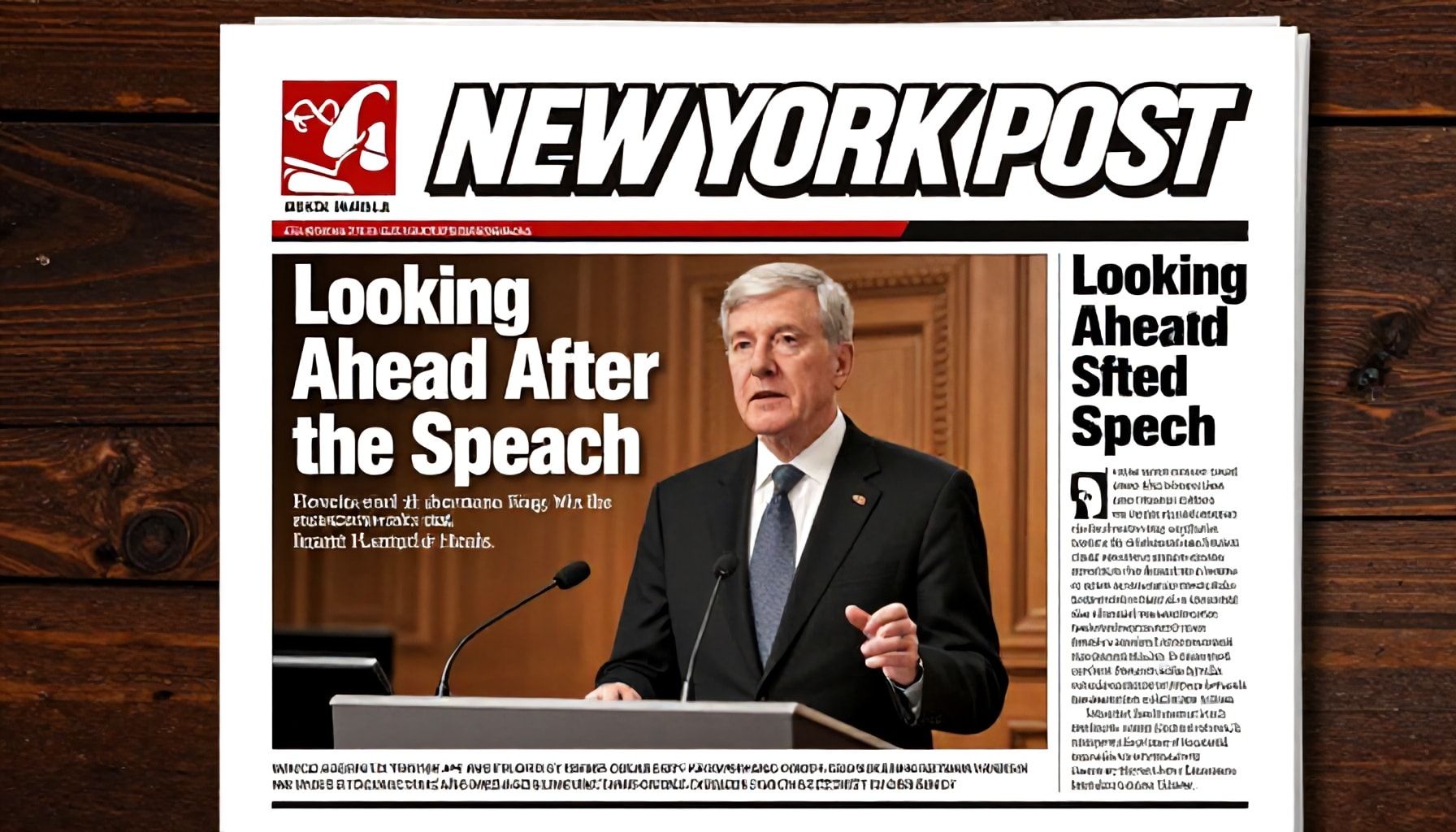
President Biden’s State of the Union address has set the stage for a dynamic political landscape in the coming months. With a focus on economic recovery and infrastructure, the speech has given both parties clear targets to aim for. Analysts predict a surge in legislative activity as lawmakers rush to capitalize on the momentum.
Economic experts have pointed to Biden’s infrastructure plan as a potential game-changer. The proposed $2 trillion investment could create millions of jobs and boost GDP growth by up to 1.5% annually. This economic stimulus is expected to be a major talking point in the lead-up to the midterm elections.
Healthcare reform remains a contentious issue. Biden’s call for lowering prescription drug prices and expanding access to affordable care has drawn mixed reactions. Republicans argue that such measures could lead to higher taxes, while Democrats see it as a necessary step towards a more equitable healthcare system.
Looking ahead, the political spotlight will shift to the Senate and House as they grapple with the implications of Biden’s speech. The coming weeks will be crucial in determining the feasibility of the proposed policies. The nation watches closely, awaiting the next move in this high-stakes political chess game.
The New York Post’s coverage of President Biden’s State of the Union address distilled the speech into ten crucial insights, highlighting the administration’s focus on economic recovery, infrastructure, and healthcare. For citizens seeking to understand the policy shifts ahead, the Post’s breakdown offers a clear roadmap to navigate the coming legislative changes. As the nation moves forward, these takeaways will shape the discourse and decisions that define the year ahead.