
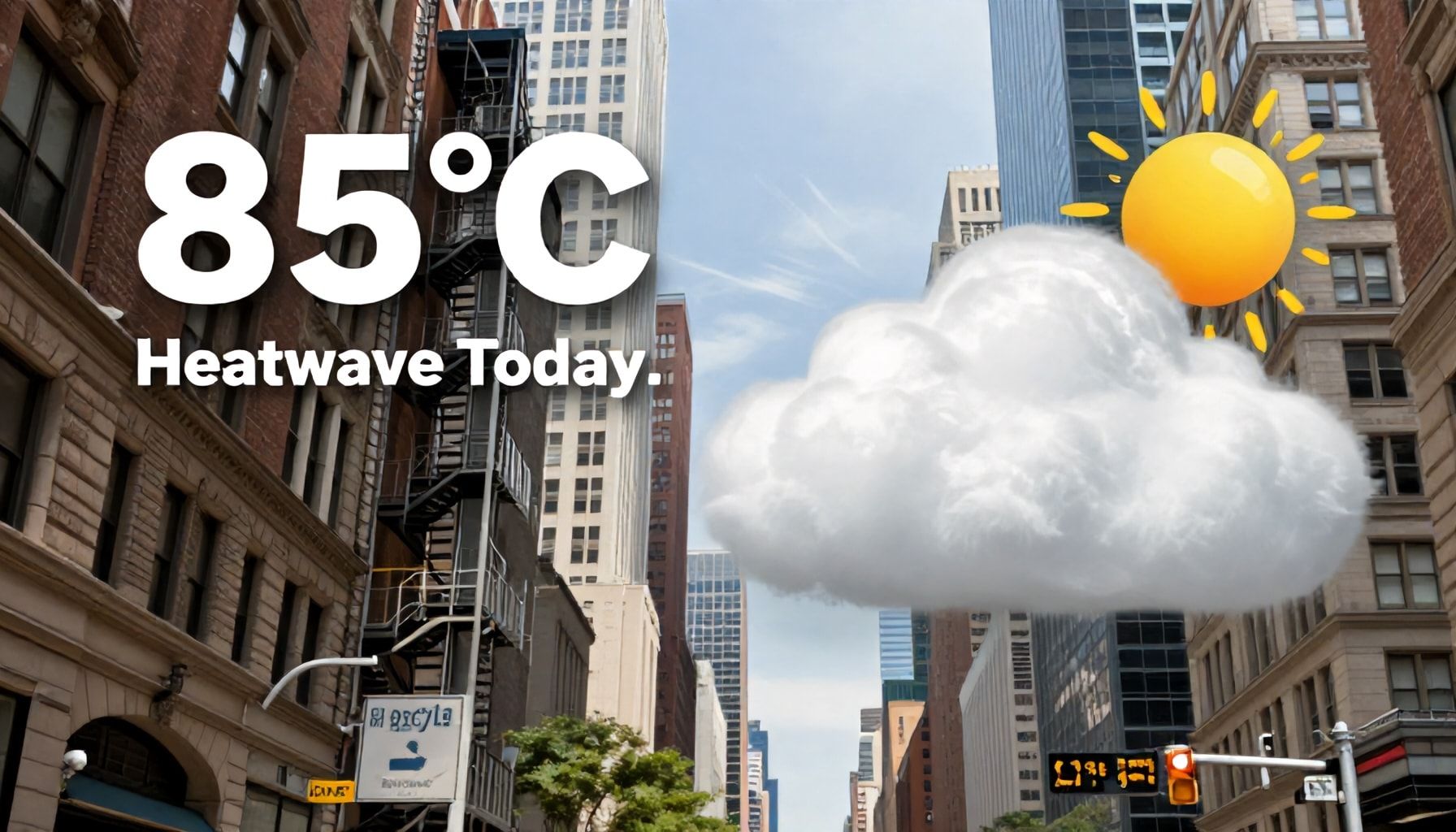

New Yorkers are preparing for a scorching day as temperatures are expected to soar to 85°F, marking the city’s first official heatwave of the season. The National Weather Service has issued a heat advisory, warning residents to take precautions against the sweltering conditions. The weather in New York today is set to bring not only high temperatures but also humidity levels that will make it feel even hotter.
The weather in New York today is more than just a topic of conversation; it’s a call to action. With temperatures climbing, city officials are opening cooling centers and urging residents to stay hydrated. The heatwave is expected to affect daily routines, from commutes to outdoor activities. As New Yorkers navigate this sudden shift, the focus is on safety and adapting to the unexpected warmth.
Unprecedented summer temperatures hit NYC
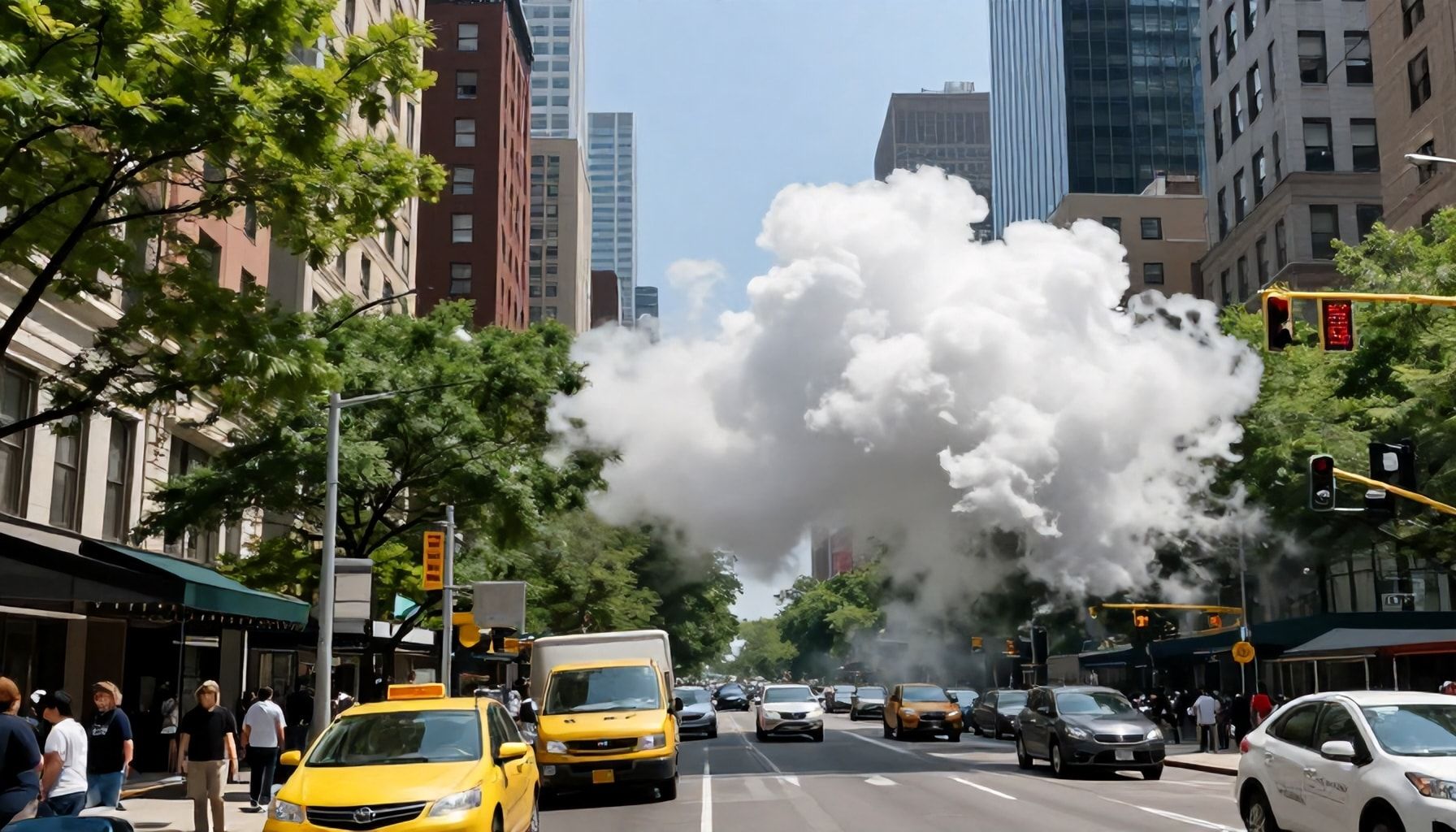
New York City is sweltering under unprecedented summer temperatures, with thermometers climbing to record highs. The mercury has already surpassed 85°F in many areas, marking the earliest occurrence of such heat in the city’s history. Residents are scrambling to beat the heat, with air conditioners humming and ice cream sales soaring.
Central Park’s weather station recorded a staggering 90°F by midday, a stark reminder of the city’s vulnerability to extreme weather. The National Weather Service has issued a heat advisory, warning of potential heat-related illnesses. The advisory urges residents to stay hydrated and seek air-conditioned spaces during peak heat hours.
City officials have activated cooling centers across the five boroughs, providing respite for those without access to air conditioning. The Department of Health has also issued guidelines for safe outdoor activities, emphasizing the importance of frequent breaks and protective clothing. Despite these measures, the heatwave poses a significant challenge to the city’s infrastructure and public health.
A climate scientist from a prominent local university noted that such extreme temperatures are becoming increasingly common due to climate change. The city’s dense concrete jungle and lack of green spaces exacerbate the urban heat island effect, making heatwaves more intense. As the day progresses, New Yorkers brace for what could be the hottest day of the year so far.
Residents prepare for the scorching day ahead
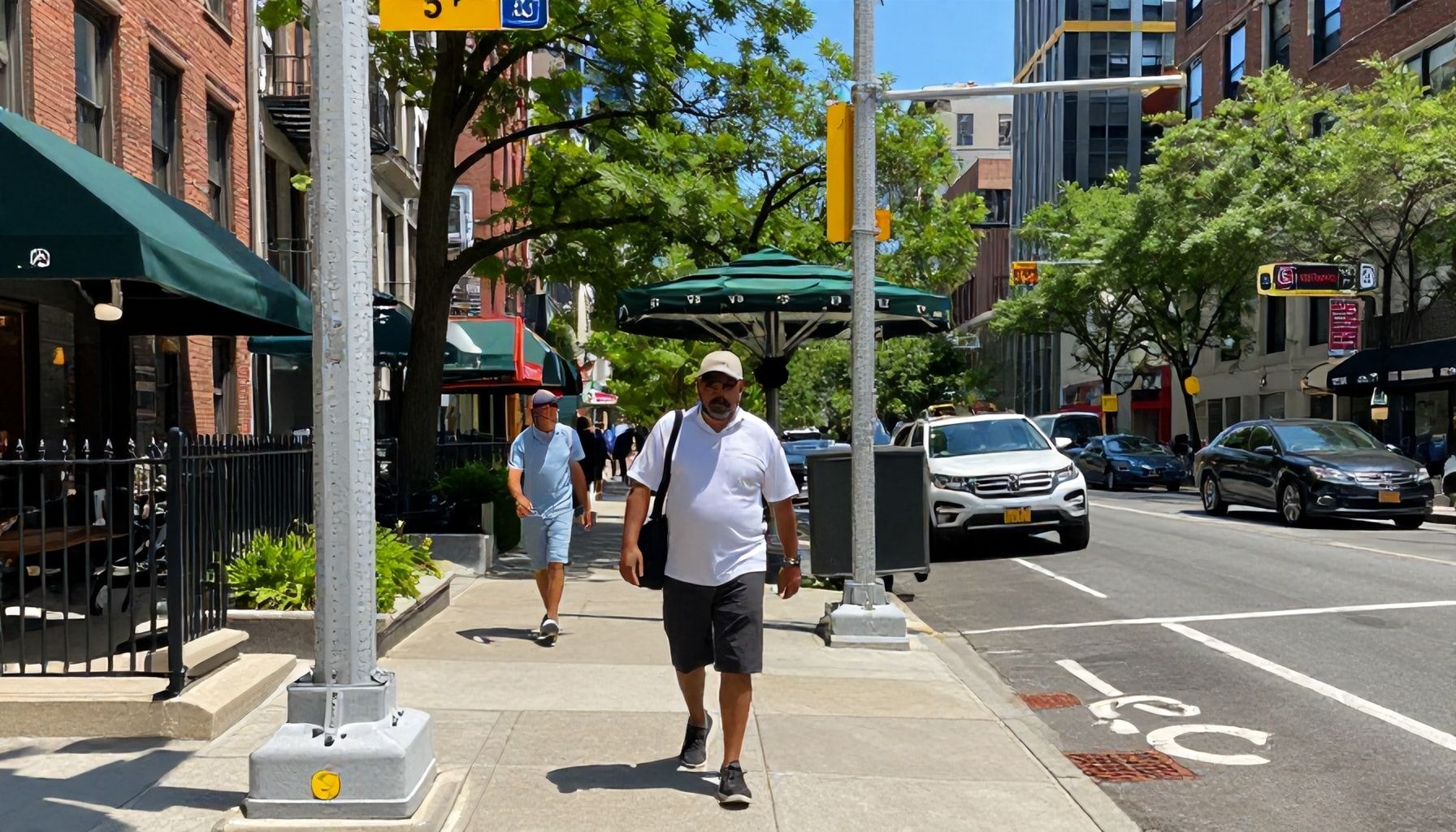
New Yorkers are gearing up for a sweltering day as temperatures are expected to soar to 85°F (29.4°C). Residents across the city are taking precautions, stocking up on water, and adjusting their schedules to beat the heat. Air conditioning units hum in windows, and fans are being set up in homes and offices to provide some relief from the oppressive heat.
Parks and public spaces are likely to see increased foot traffic as people seek shade and cooler environments. The city’s cooling centers are preparing to open their doors to offer respite for those without access to air conditioning. According to the National Weather Service, heat indices could make it feel even hotter, with humidity levels adding to the discomfort.
Local meteorologists advise residents to stay hydrated and limit outdoor activities during peak heat hours. They recommend wearing light, breathable clothing and using sunscreen to protect against harmful UV rays. The heatwave is expected to last through the weekend, prompting city officials to issue advisories and ensure emergency services are on high alert.
Businesses are also taking steps to accommodate the heat, with some offering flexible working hours or remote work options. Schools are monitoring conditions closely, ready to implement heat safety protocols if necessary. The city’s infrastructure is under scrutiny, with particular attention to vulnerable populations who may be more susceptible to heat-related illnesses.
City services ramp up to combat heat effects
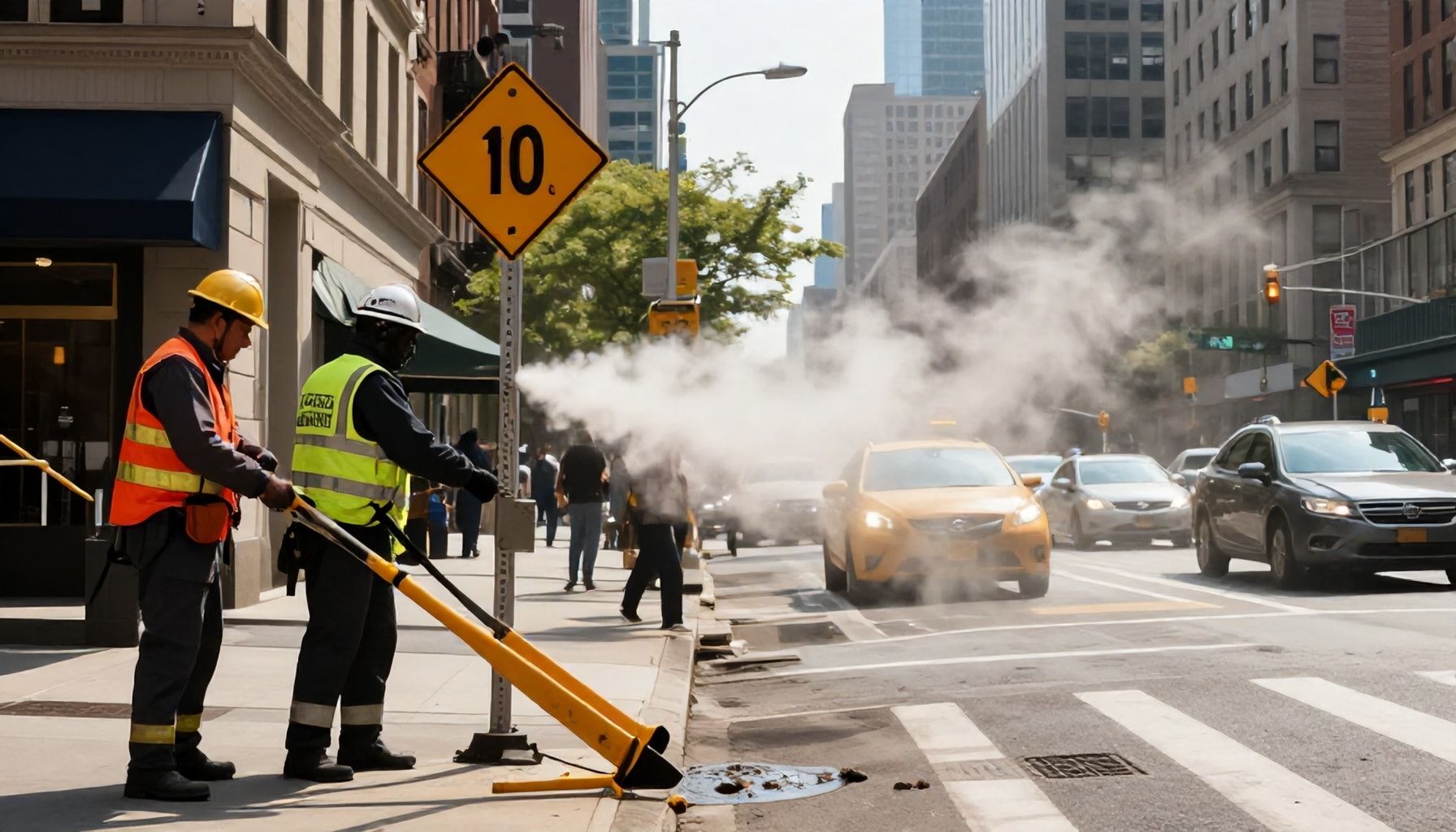
New York City’s emergency management teams have activated cooling centers across all five boroughs in anticipation of the impending heatwave. These facilities, strategically located in libraries, community centers, and senior centers, offer respite from the scorching temperatures. The city’s Department of Health and Mental Hygiene has also intensified its outreach efforts, ensuring vulnerable populations are aware of the available resources.
Public health officials urge residents to stay hydrated and limit outdoor activities during peak heat hours. The National Weather Service warns that temperatures could soar to 85°F (29.4°C) today, with humidity making it feel even hotter. This combination can pose significant health risks, particularly for the elderly and those with chronic illnesses.
Transportation authorities are taking proactive measures to mitigate the impact of the heatwave. The Metropolitan Transportation Authority (MTA) has increased the frequency of subway trains to reduce overcrowding and ensure proper ventilation. Additionally, bus drivers have been instructed to monitor passengers for signs of heat-related illnesses and report any emergencies promptly.
A climate scientist from a prominent local university emphasizes the importance of preparedness in the face of rising temperatures. “Heatwaves are becoming more frequent and intense due to climate change,” the expert notes. “It’s crucial for cities like New York to have robust plans in place to protect residents.”
How to stay cool without air conditioning
As New Yorkers brace for a heatwave with temperatures soaring to 85°F, staying cool without air conditioning becomes a priority for many. Hydration is key. Experts recommend drinking at least eight glasses of water daily, more if spending time outdoors. Cold showers can also help regulate body temperature, providing relief from the heat.
Creating shade is another effective strategy. Closing curtains and blinds during peak sunlight hours can significantly reduce indoor temperatures. A study by the U.S. Department of Energy found that window coverings can decrease heat gain by up to 77%. Additionally, using fans strategically can create a wind-chill effect, making the room feel cooler.
Dressing appropriately plays a crucial role in beating the heat. Lightweight, loose-fitting clothing made from breathable fabrics like cotton allows sweat to evaporate more efficiently. Wearing a wide-brimmed hat and sunglasses when outside provides additional protection from the sun’s rays.
For those without air conditioning, seeking out public spaces like libraries, malls, or community centers can offer a respite from the heat. These locations often have cooling systems in place, providing a comfortable environment to escape the outdoor temperatures.
Heatwave expected to break by evening
New Yorkers can expect a brief respite from the oppressive heat later today. The National Weather Service predicts the current 85°F heatwave will begin to dissipate by evening, bringing temperatures down to a more comfortable 75°F by nightfall. Residents have been advised to stay hydrated and limit outdoor activities during peak hours.
Meteorologists attribute the sudden shift to a cold front moving in from the northwest. This change, though welcome, comes with a slight chance of thunderstorms. The abrupt transition from heat to potential storms has prompted local authorities to issue alerts for residents to secure outdoor furniture and other loose items.
A climate scientist from a prominent local university noted that while heatwaves are becoming more frequent, their duration can vary greatly. “We’re seeing more extreme weather patterns, but thankfully, this particular heatwave is expected to be short-lived.” The expert emphasized the importance of preparedness, even for brief weather events.
By tomorrow, New Yorkers can expect a significant drop in temperatures, with highs reaching a more seasonable 70°F. The city’s parks and public spaces are likely to see an influx of visitors eager to enjoy the cooler weather after days of intense heat. The break in the heatwave offers a reminder of the city’s ever-changing climate.
Long-term climate trends behind the heatwave

New York’s current heatwave isn’t an isolated event. It’s part of a long-term trend of rising temperatures and increased frequency of extreme heat events. Over the past century, average temperatures in the region have climbed by approximately 2.4°F, according to climate data. This steady rise has made heatwaves more intense and prolonged.
Scientists attribute this trend to global climate change, driven by human activities. The burning of fossil fuels and deforestation have led to higher concentrations of greenhouse gases in the atmosphere. These gases trap heat, causing the planet to warm. New York, with its dense urban environment, experiences the “urban heat island” effect, exacerbating the impact of these global trends.
Climate models predict that New York will continue to see more days with temperatures above 90°F. By the end of the century, such days could become the norm rather than the exception. This shift has significant implications for public health, infrastructure, and daily life in the city.
Adapting to these changes requires proactive measures. The city has been implementing strategies to mitigate the effects of heatwaves. These include expanding green spaces, improving building insulation, and developing early warning systems. However, the long-term solution lies in addressing the root cause: reducing greenhouse gas emissions.
New Yorkers are facing an intense heatwave today, with temperatures soaring to a sweltering 85°F. The city’s infrastructure and residents are being put to the test as the mercury rises. To stay safe, experts advise seeking shade during peak hours, staying hydrated, and checking on vulnerable neighbors. Looking ahead, climate scientists warn that such extreme weather events may become more frequent, underscoring the urgent need for sustainable urban planning and infrastructure upgrades.