


New York City is under a flood watch as meteorologists predict up to three inches of rain will drench the metropolis by day’s end. The National Weather Service has issued warnings, urging residents to prepare for potential flooding and hazardous travel conditions.
A rainy day in New York is nothing new, but this storm promises to be more intense than usual. Commuters face delays as subway systems brace for potential water intrusion, while drivers navigate slick roads and reduced visibility. A rainy day in New York can be romantic, but this weather system threatens to disrupt the city’s relentless pace. Businesses and residents alike are encouraged to stay alert and take precautions to minimize disruption.
Heavy Rainfall Alert Issued for New York
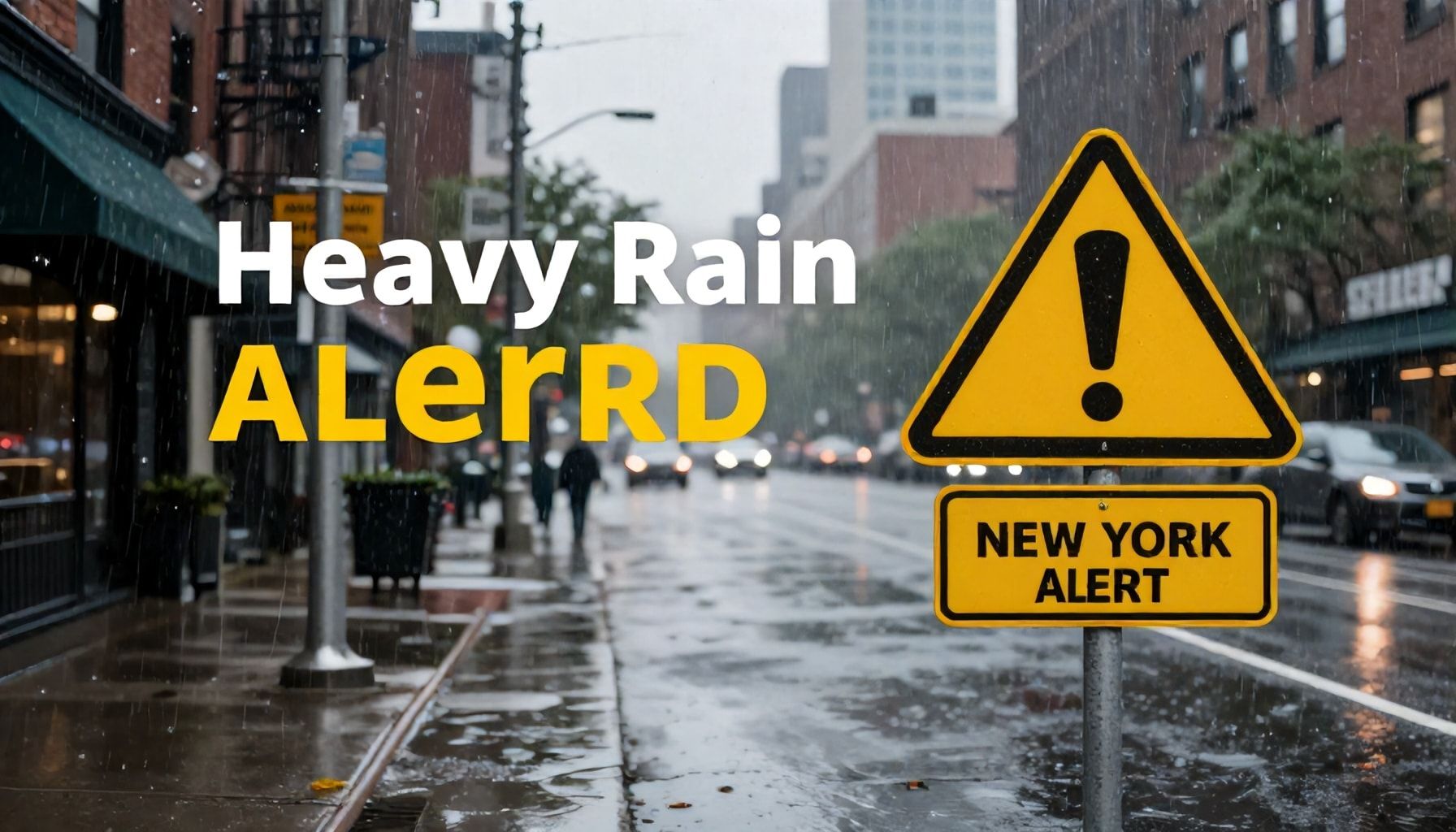
The National Weather Service has issued a heavy rainfall alert for New York City, warning residents to expect up to three inches of rain throughout the day. The alert, issued early this morning, covers all five boroughs and advises residents to prepare for potential flooding in low-lying areas. Meteorologists predict the heaviest downpours will occur during the afternoon and evening rush hours, creating hazardous conditions for commuters.
Local authorities are urging New Yorkers to take precautions. The city’s Office of Emergency Management recommends securing loose outdoor items, clearing storm drains near homes, and avoiding travel during the peak rainfall periods. “Heavy rainfall can lead to rapid flooding, especially in areas with poor drainage,” said a spokesperson for the agency. “We encourage everyone to stay informed and be prepared.”
Subway systems are already bracing for potential disruptions. The Metropolitan Transportation Authority has deployed additional crews to monitor tracks and stations for water accumulation. Delays are expected, and commuters are advised to check for service changes before heading out. The MTA also warns of potential elevator outages in underground stations due to water ingress.
Schools and businesses are encouraged to review their emergency plans. The Department of Education has protocols in place for early dismissals if conditions worsen. Private companies are also being urged to ensure their facilities are prepared for power outages or other weather-related issues. The city’s emergency management team will continue to monitor the situation and provide updates as needed.
Forecasters Predict Intense Downpour Throughout the Day
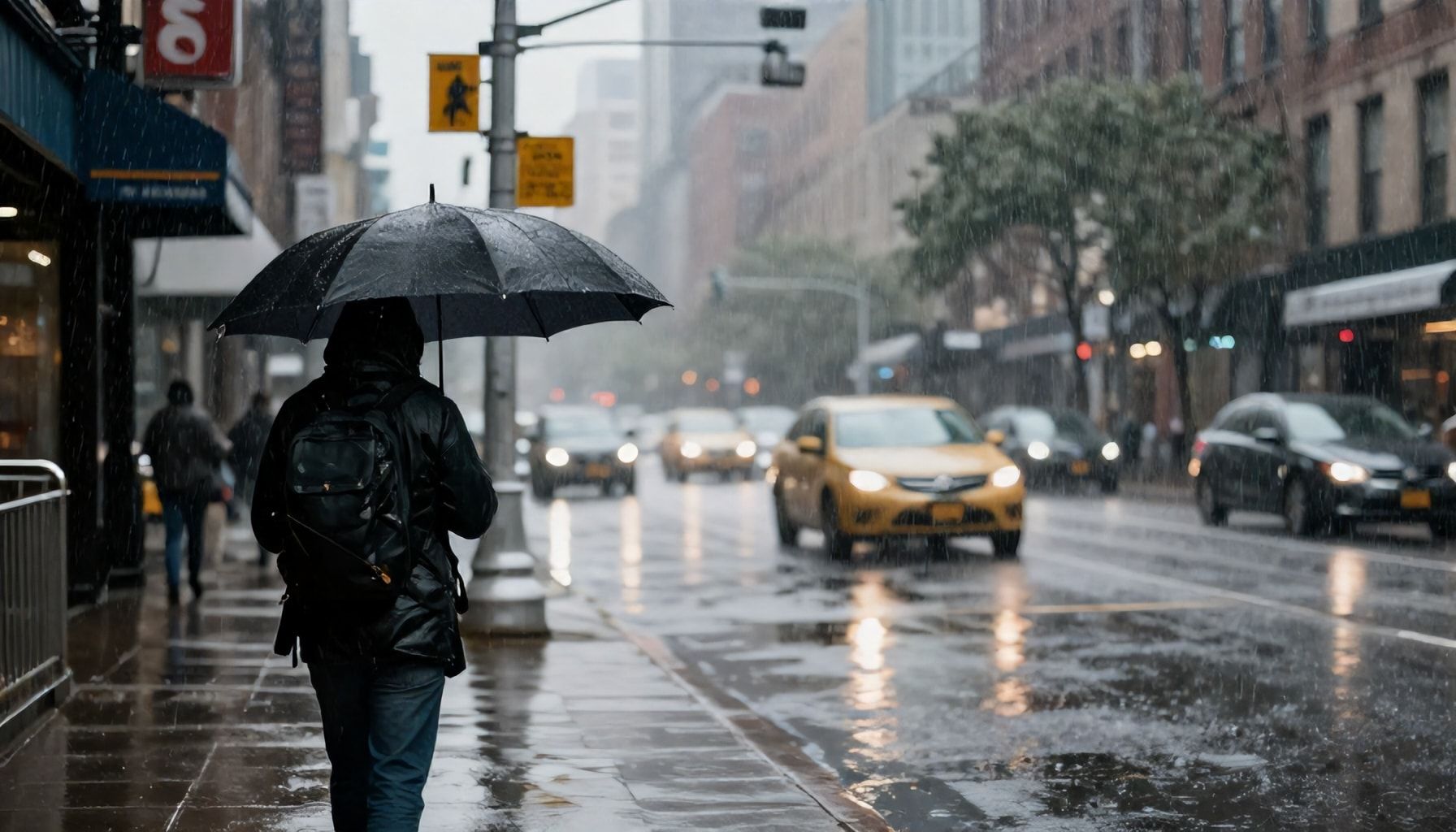
New Yorkers woke up to a steady drumbeat of rain, a rhythm that meteorologists warn will only intensify as the day progresses. Forecasters predict an intense downpour, with up to three inches of rain expected to drench the city by evening. The National Weather Service has issued a flood advisory, urging residents to stay vigilant and avoid low-lying areas.
Commuters faced soggy conditions, with umbrellas proving little match for the persistent wind-driven rain. Subways, already crowded, saw an influx of passengers seeking refuge from the deluge. The Metropolitan Transportation Authority reported a 15% increase in ridership compared to a typical Wednesday morning.
City officials have activated emergency response teams, ready to tackle any flooding or power outages. “We’re prepared for the worst,” said a spokesperson for the Office of Emergency Management. “Our priority is ensuring the safety of all New Yorkers.”
The rain is expected to ease by late evening, but not before leaving a significant mark on the city. Meteorologists attribute the intense weather to a slow-moving storm system stalled over the region. Residents are advised to keep an eye on local weather updates and heed any warnings issued throughout the day.
City Prepares Infrastructure for Potential Flooding
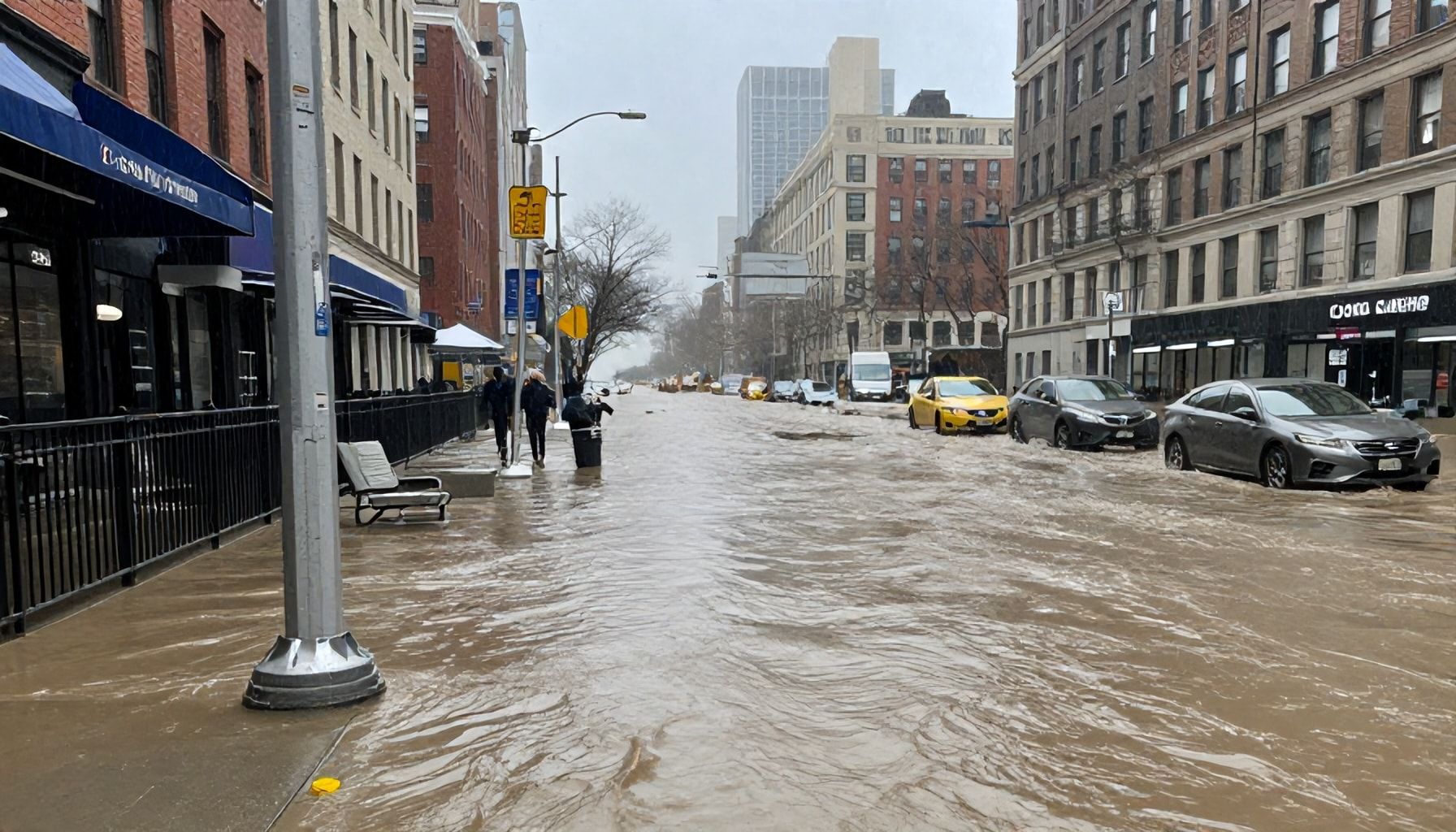
New York City’s infrastructure stands at the ready as meteorologists predict up to three inches of rain. Crews have preemptively deployed sandbags and barriers in flood-prone areas, particularly along the Hudson River and in Lower Manhattan. The city’s Department of Environmental Protection has activated its emergency response plan, ensuring pumps and drainage systems are fully operational.
According to the National Weather Service, the city’s extensive network of storm drains and tunnels can typically handle up to two inches of rain per hour. However, the forecasted downpour may push these systems to their limits. City officials urge residents to stay vigilant and avoid unnecessary travel.
In anticipation of potential power outages, Con Edison has mobilized repair crews across the five boroughs. The utility company emphasizes the importance of preparedness, advising residents to have flashlights, batteries, and emergency supplies on hand. Schools and businesses have also been notified to review their own emergency protocols.
Transportation authorities are closely monitoring subway stations and tunnels, ready to implement service changes if necessary. The MTA has deployed additional personnel to manage water intrusion and ensure passenger safety. Commuters are encouraged to check for updates before heading out.
As the storm approaches, New Yorkers are reminded of the city’s resilience in the face of extreme weather. The coordinated efforts of various agencies aim to mitigate risks and keep the city running smoothly. Residents are urged to stay informed and heed official advisories throughout the day.
Residents Advised to Stay Indoors and Avoid Low-Lying Areas
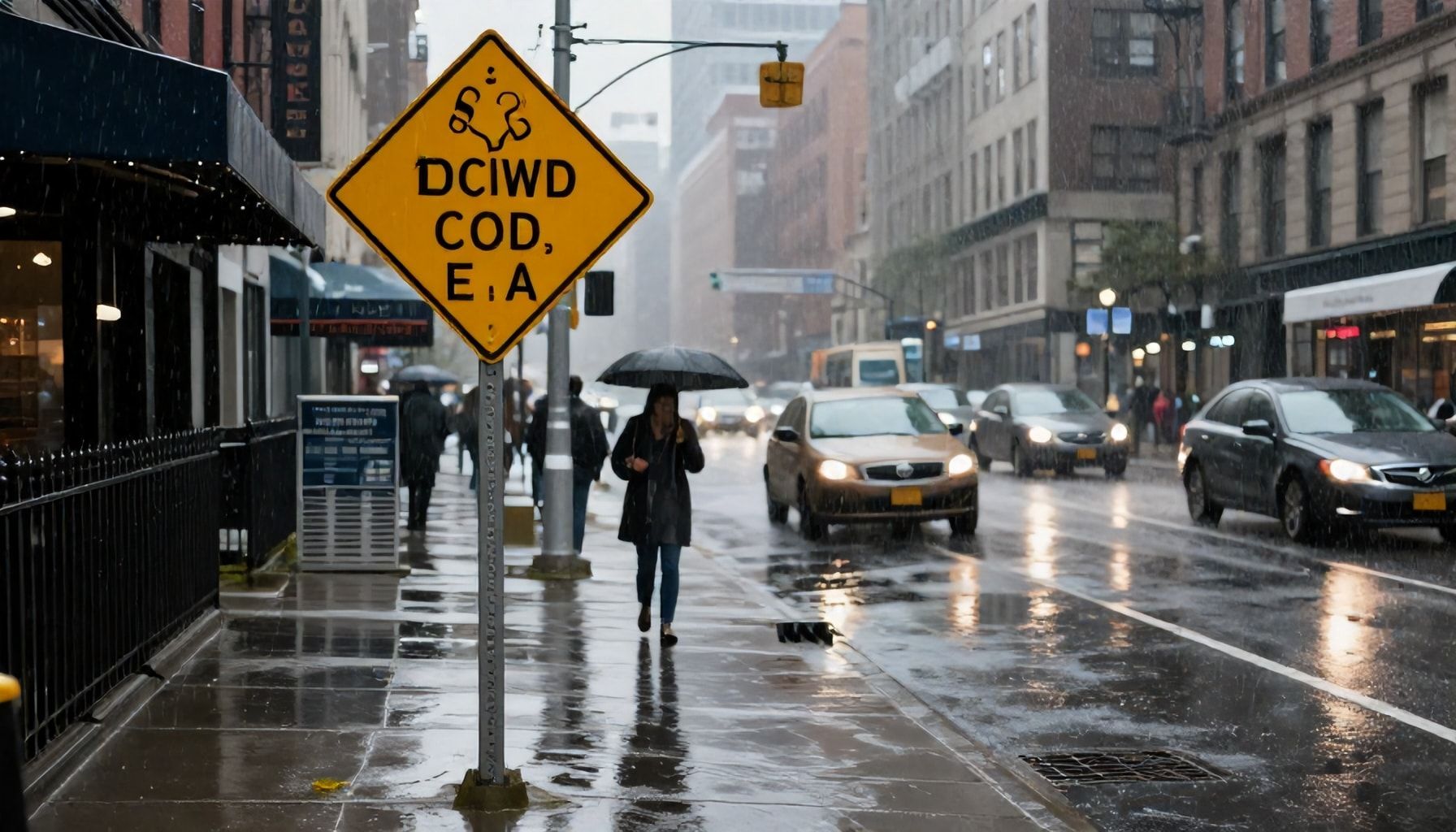
New York City officials are urging residents to stay indoors and avoid low-lying areas as the city braces for a significant rainfall. The National Weather Service has issued a flood advisory, warning of potential flash flooding in vulnerable areas. Residents in coastal neighborhoods and those near waterways are particularly advised to exercise caution.
According to meteorologists, the city could receive up to 3 inches of rain by the end of the day. This amount of precipitation can lead to rapid flooding, especially in areas with poor drainage systems. The last major rainfall event in 2018 resulted in widespread flooding and significant property damage, serving as a stark reminder of the potential risks.
Emergency services are on high alert, ready to respond to any incidents. The city’s Office of Emergency Management has activated its emergency operations center to monitor the situation closely. Residents are encouraged to stay informed through official channels and heed any warnings or advisories issued by local authorities.
For those who must venture outdoors, officials recommend wearing appropriate footwear and avoiding walking through flooded areas. Even shallow water can be dangerous, as it may conceal downed power lines or other hazards. By taking precautions and staying informed, residents can help ensure their safety during this weather event.
Transportation Services Adjust Schedules for Safety
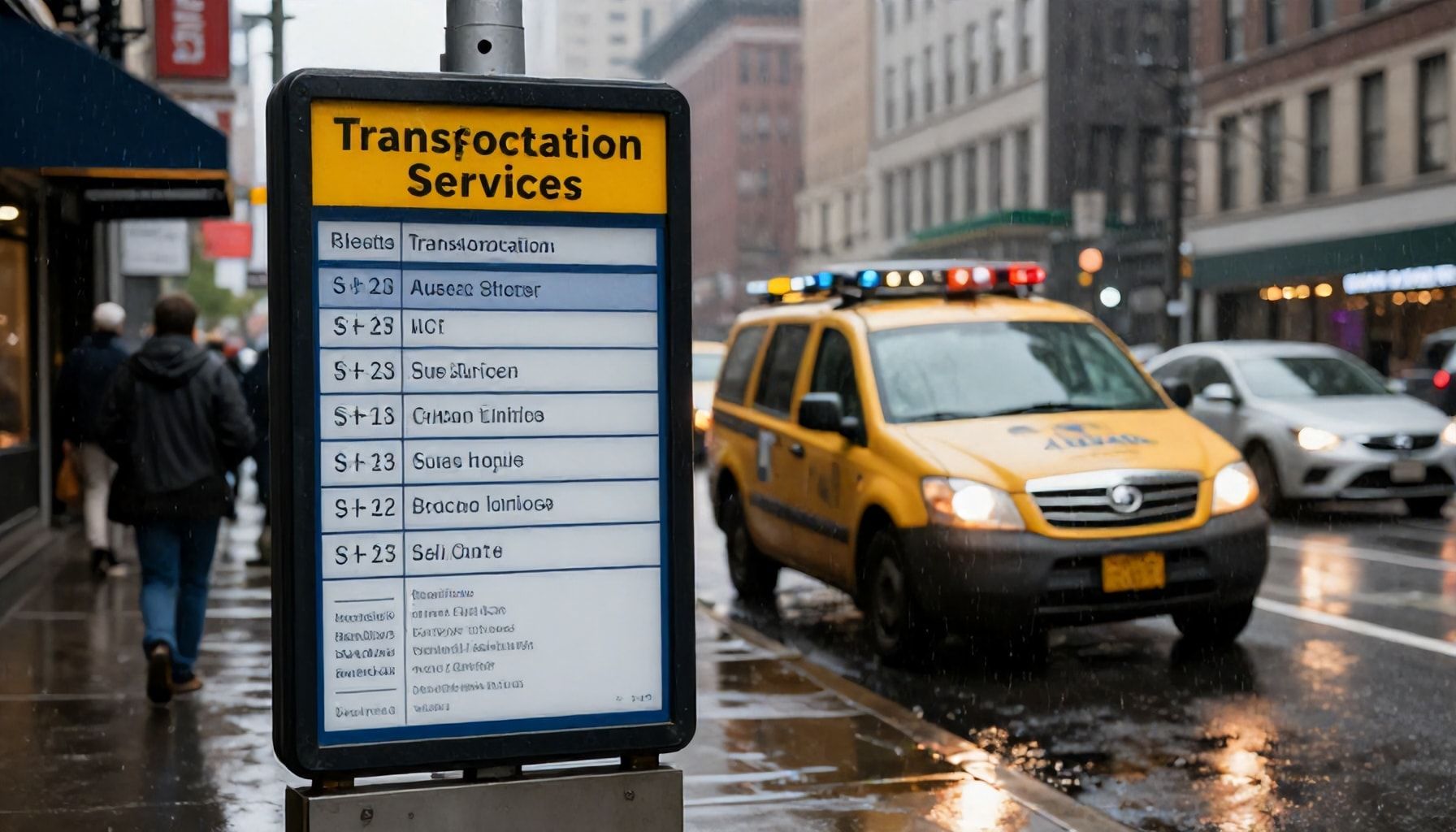
New York’s transportation services are making significant adjustments to their schedules in anticipation of the heavy rainfall expected today. The Metropolitan Transportation Authority (MTA) has announced that subway services will operate on a modified schedule, with increased frequency on major lines to accommodate potential delays. Buses will also see adjusted routes, focusing on key corridors to maintain connectivity across the city.
Port Authority officials have advised travelers to expect delays at major transit hubs like Penn Station and Grand Central Terminal. The agency is deploying additional staff to manage crowds and ensure safety. According to a spokesperson, the goal is to minimize disruptions while prioritizing passenger safety.
Private transportation services are also taking precautions. Ride-sharing apps like Uber and Lyft have reported a surge in demand, with drivers being advised to exercise caution on wet roads. The New York Taxi and Limousine Commission has urged drivers to ensure their vehicles are in optimal condition to handle the adverse weather.
Experts recommend that commuters allow extra time for their journeys today. The National Weather Service has predicted that the heavy rain could lead to localized flooding, particularly in low-lying areas. Commuters are urged to stay informed through official channels and consider alternative travel options if necessary.
Long-Term Weather Patterns Suggest Increased Rainfall Frequency
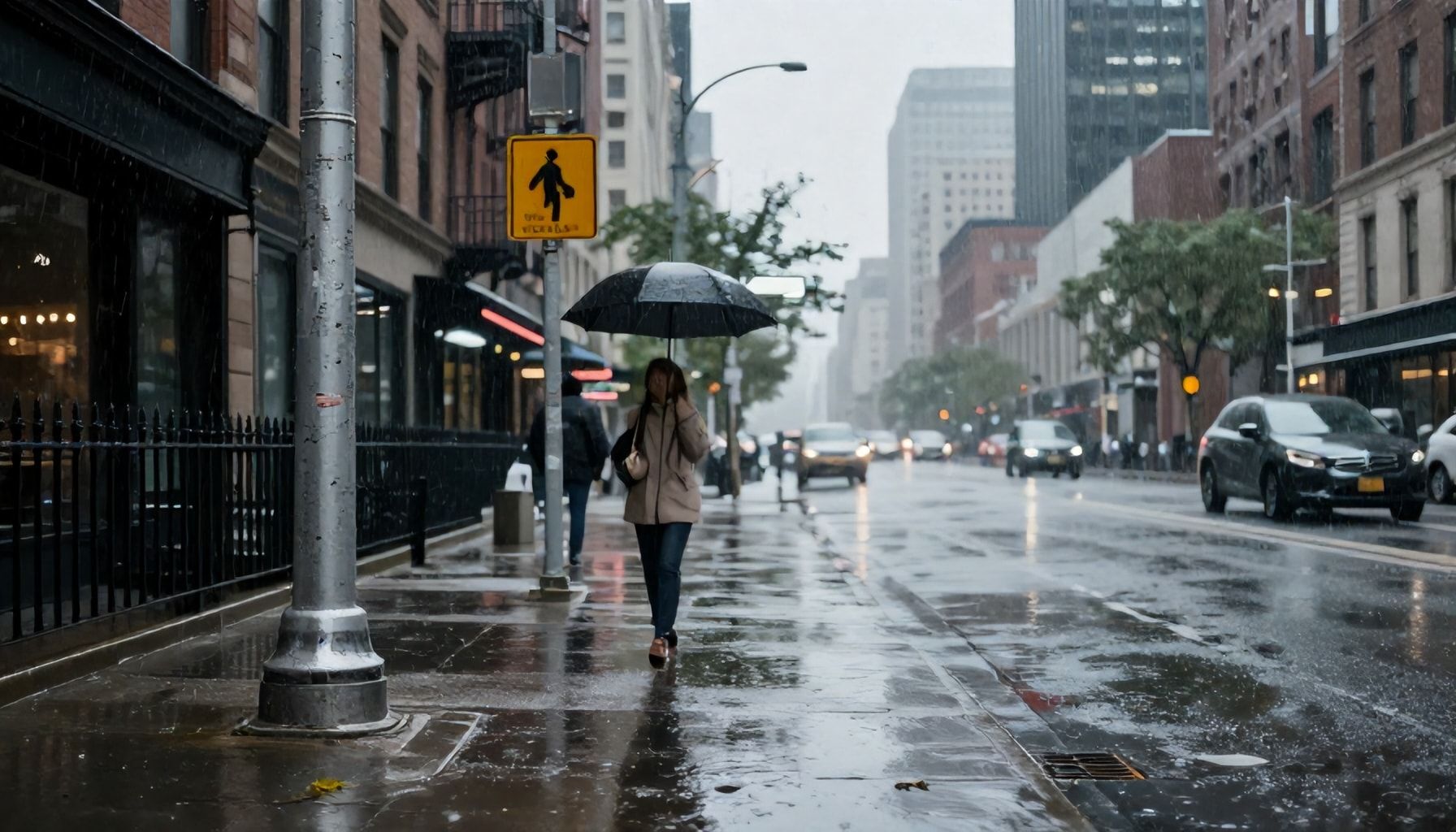
New Yorkers accustomed to the city’s unpredictable weather may be in for a change. Long-term climate data reveals a shift in weather patterns, with increased rainfall frequency becoming the new normal. Over the past decade, the city has experienced a 15% rise in rainy days, according to a recent study by a prominent climate research institute. This trend is expected to continue, with meteorologists predicting more frequent and intense rainfall events.
Urban planners and city officials are taking notice. The city’s infrastructure, designed for historical weather patterns, is being reassessed to accommodate these changes. Green infrastructure projects, such as rain gardens and permeable pavements, are being implemented to manage increased stormwater runoff. These initiatives aim to mitigate flooding and reduce the strain on the city’s aging sewer system.
Residents are also adapting. Many are investing in waterproof gear and exploring new indoor activities. Local businesses, from bookstores to cafes, report increased foot traffic on rainy days. The shift in weather patterns is not just a challenge but also an opportunity for the city to innovate and adapt.
New Yorkers are bracing for a deluge, with meteorologists predicting up to three inches of rain today, a stark reminder of the city’s vulnerability to extreme weather. Residents are urged to keep umbrellas handy, avoid flooded streets, and check on neighbors, especially the elderly and those with mobility challenges. As the city navigates this wet weather event, it’s a stark reminder of the need for robust infrastructure and climate resilience planning to mitigate future impacts.